
Resources
Application engineering, customization strategy, and integration guidance for industrial OEM products and assemblies.
This archive page keeps topic-specific guides grouped for quick review during procurement planning and engineering evaluation cycles.
Return to the full blog index if you need cross-category reading order for your team.
Article-to-RFQ Workflow
Use these buyer guides to prepare one comparable RFQ package instead of collecting isolated article notes and supplier claims.
Identify the topology, product family, operating point, and current gate before the article takeaway becomes a supplier question.
Prepare drawing status, magnetic targets, quantity plan, destination, and open risks in the RFQ worksheet.
Ask for DFM notes, first article inspection, magnetic validation, traceability, and packaging release files before price comparison.
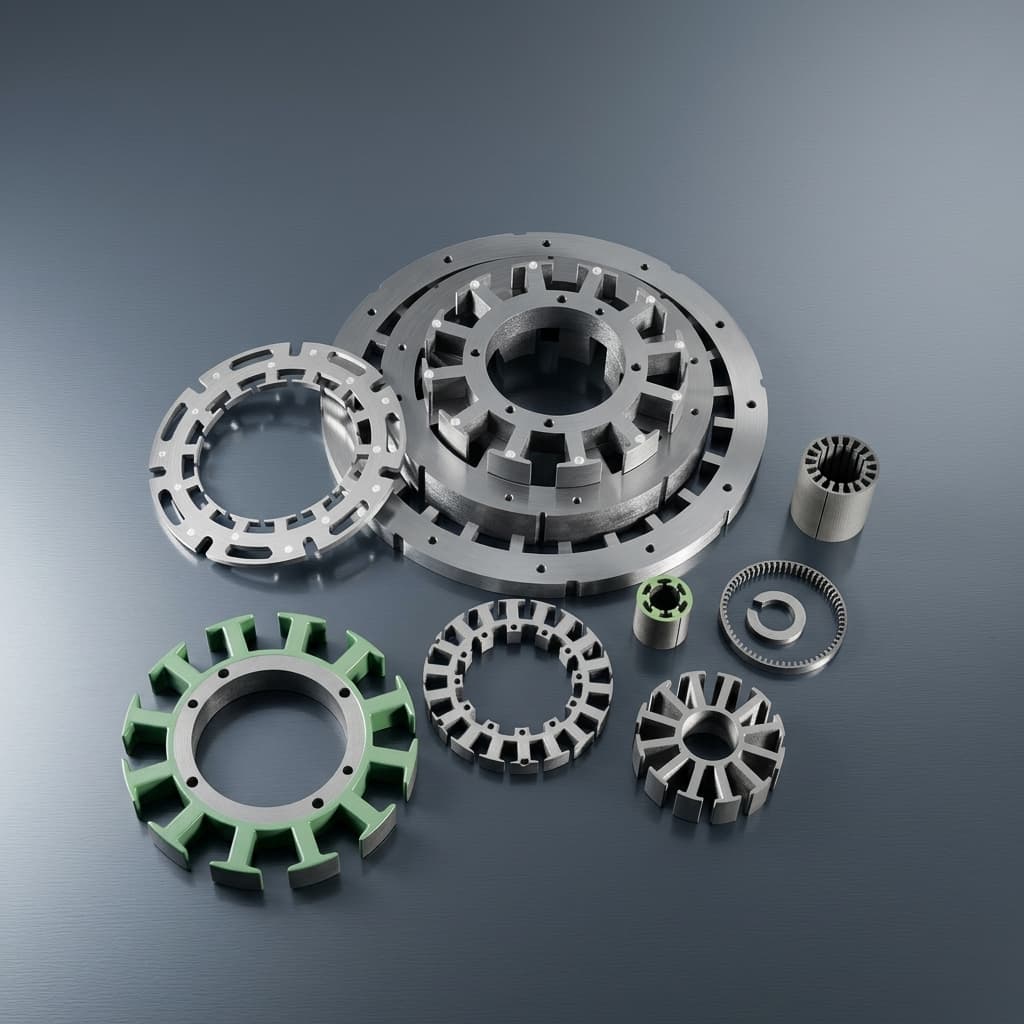
Compare CRGO tape-wound vs SMC axial flux stators: flux direction, cutting risks, grade-specific processing and tooling payback. Prepare a comparable core RFQ.

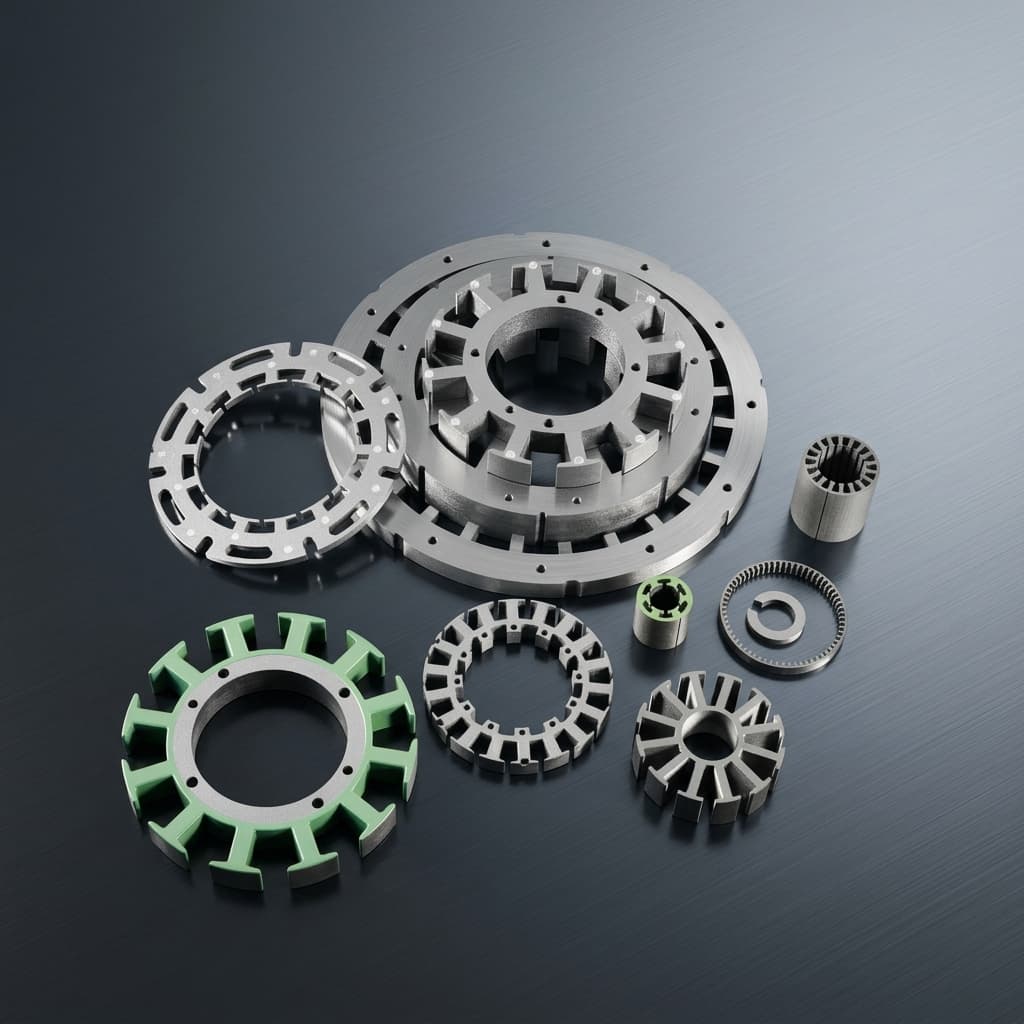
Compare YASA, AFIR, and TORUS axial flux motor topologies for stator core sourcing, SMC vs laminated steel choices, RFQ risk control, and DFM review.
Engineering guide to axial flux motor thermal management, direct oil cooling, SMC stator design, validation risks, supplier evidence, and RFQ checks for buyers.
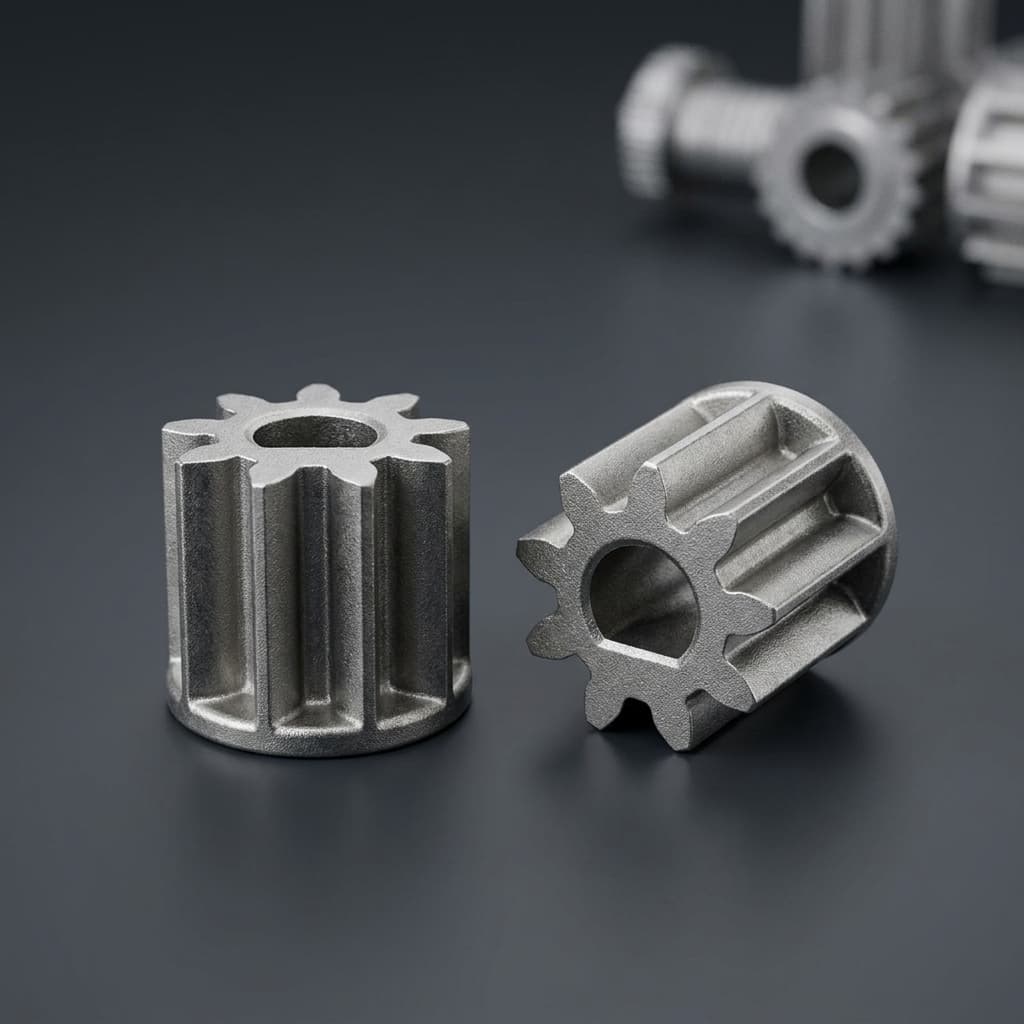
Discover why electric aviation, humanoid robotics, and performance EVs are rapidly adopting Axial Flux Permanent Magnet (AFPM) motors and how SMC stators enable these high-torque designs.
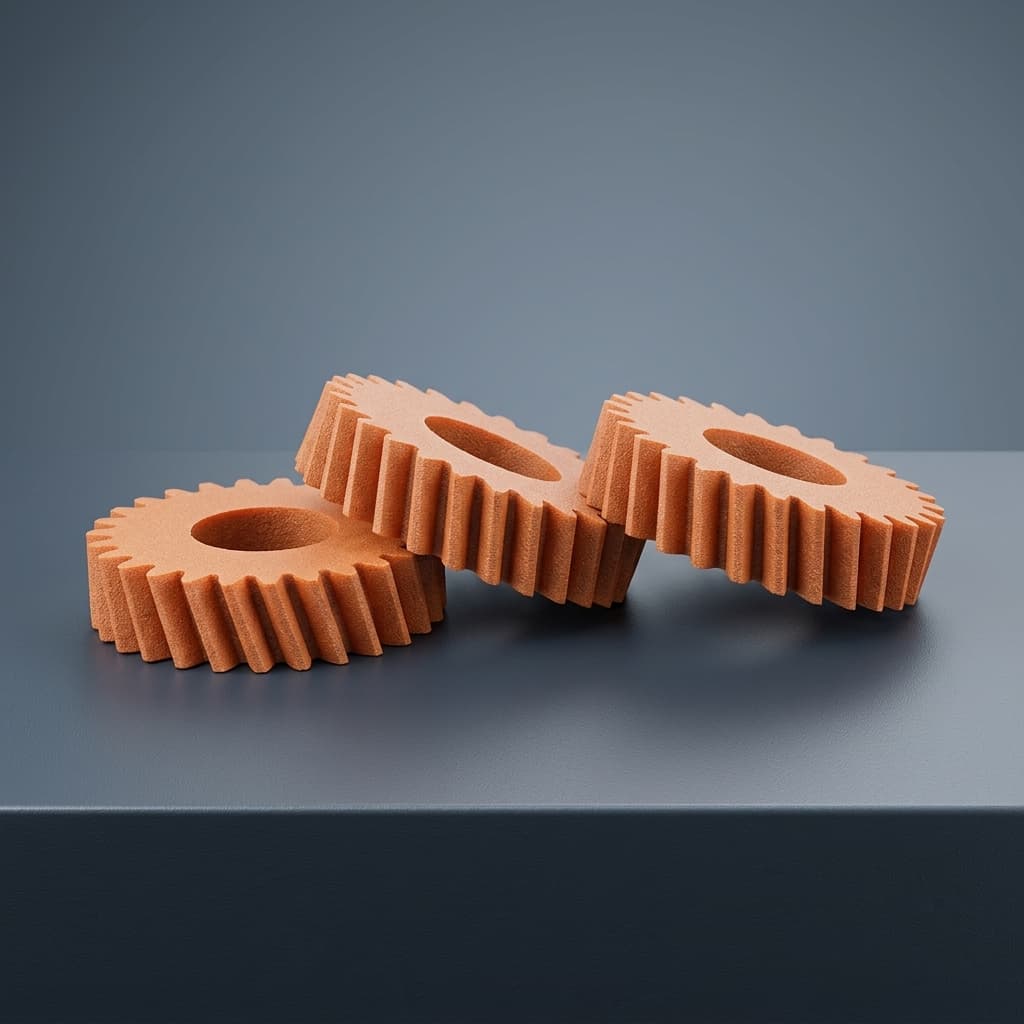
Understanding iron losses (eddy currents and hysteresis) at high frequencies and why Soft Magnetic Composites (SMC) outperform electrical steel in compact AFPM designs.
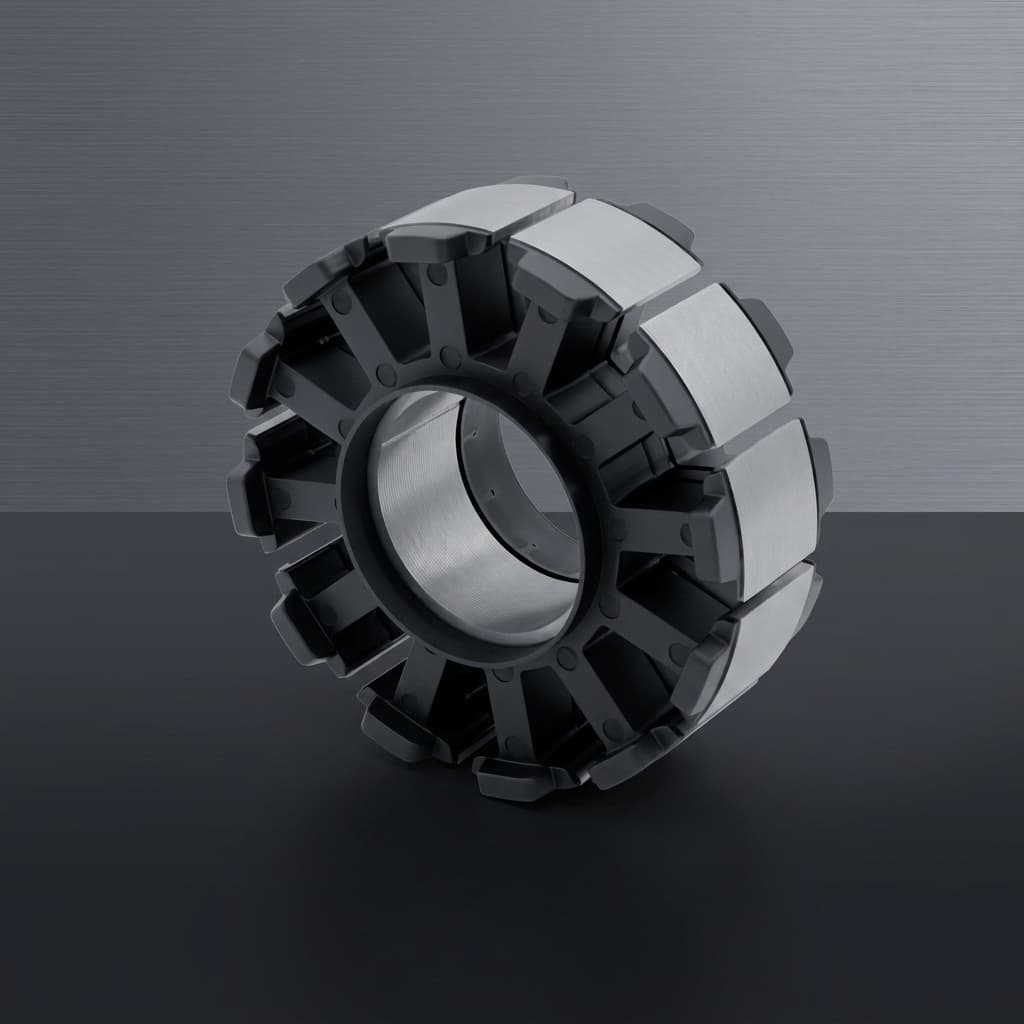
A precise Design for Manufacturability (DFM) guide for motor design teams transitioning axial flux stator prototypes into Soft Magnetic Composite (SMC) mass production.