
Process-Controlled Manufacturing
SMC compaction, thermal treatment, machining, coating, and inspection are planned around the buyer drawing, CTQ list, material route, and sample acceptance method.
Align 100-240 ton press planning, compaction tooling, nitrogen or controlled thermal treatment, dimensional inspection, Hi-pot, magnetic validation, corrosion protection, and export documentation before your axial flux core program scales.

SMC compaction, thermal treatment, machining, coating, and inspection are planned around the buyer drawing, CTQ list, material route, and sample acceptance method.
Prototype and pilot lots can be paired with first article inspection, density checks, dimensional reports, and agreed magnetic or insulation validation.
Anti-corrosion handling, part separation, protective cushioning, and export packaging are defined before shipment for overseas sample and pilot programs.
The page turns the requirements brief into RFQ questions and sample-release evidence rather than unsupported factory claims.
| Requirement Signal | Page Control | Release Evidence to Request |
|---|---|---|
| Large-tonnage compaction route | Use 100-240 ton and higher press-fit planning as an RFQ field tied to compacted area, density target, tool layout, and cavity assumption. | Press-fit note, setup record, tool layout, density/weight baseline, sample ID, and change-control rule. |
| Incoming powder and Somaloy route control | Check powder grade, lot identity, storage condition, insulation coating route, and no-recycled-powder expectation before sampling. | Supplier document, material lot record, restricted-substance declaration where requested, and route-specific material note. |
| Controlled-atmosphere thermal treatment | Confirm curing or annealing cycle, nitrogen or other atmosphere requirement, batch identity, and insulation-protection boundary. | Thermal cycle record, furnace or batch note, material route, process owner, and post-treatment inspection result. |
| FAI and 3D dimensional release | Tie CMM, optical, or 3D scan reports to ballooned drawings, datum scheme, air-gap faces, tooth position, flatness, and assembly CTQs. | Ballooned drawing, CMM/3D report, CTQ table, measured-value disposition, sample ID, and deviation log. |
| Electrical and magnetic validation | Define Hi-pot voltage/dwell/leakage limits plus B-H, permeability, and core-loss test conditions by frequency, flux density, temperature, and sample geometry. | Hi-pot record, coating/insulation note, B-H or core-loss table, density baseline, report ID, and pass/fail rule. |
| Corrosion and export logistics | Choose coating, salt-spray scope, rust-prevention oil or paper, barrier packing, EPE separation, desiccant, carton, pallet, or fumigation-free crate by destination risk. | Packing checklist, coating note, shipment photos, crate/carton specification, label record, and receiving-inspection boundary. |
The exact process route is confirmed after CAD, material, target density, post-process, and validation review. For larger compacted areas, buyers should confirm the selected press tonnage window and tooling layout during RFQ.
| Stage | Control Focus | Buyer Evidence |
|---|---|---|
| 1. Incoming Material Review | Powder grade, lot identity, supplier document, storage condition, and coating or insulation route are checked against the project baseline. | Material lot record, received specification, restricted-substance or declaration file when requested. |
| 2. Tooling and Press Setup | Compaction direction, fill strategy, tooling wear points, ejection risk, and press window are reviewed before trial parts. | DFM notes, tooling concept, setup record, CTQ list, and first trial issue log. |
| 3. Compaction and Green-Part Control | Green density, fragile ribs, edge chipping, cracks, flash, datum stability, and handling damage are monitored during sampling. | Sample log, density or weight checks, visual inspection, and process hold notes where needed. |
| 4. Thermal Treatment and Stress Relief | Curing or annealing route is selected to release compaction stress while protecting particle insulation and target magnetic behavior. | Thermal cycle record, batch traceability, and material-specific process note. |
| 5. Machining, Coating, and Insulation | Air-gap faces, mounting datums, resin coating, corrosion protection, and insulation requirements are handled only where the drawing requires them. | Dimensional report, surface/coating inspection, Hi-pot or insulation check when applicable. |
| 6. Outgoing Quality and Packaging | Final inspection, documentation set, rust-prevention method, part separation, cushioning, carton or export crate plan, and shipment photos are closed before release. | Outgoing QC report, packing list, photo record, and agreed validation files. |
These checkpoints convert factory-side controls into the files procurement, supplier-quality, and motor engineering teams expect before prototype approval or pilot release.
| Checkpoint | Method | Buyer Value |
|---|---|---|
| Critical Dimensions | CMM, height gauge, optical measurement, fixtures, or buyer-defined gauges depending on datum scheme. | Protects air-gap control, stack-up, segment pitch, and assembly repeatability. |
| Density and Weight Consistency | Part weight, geometric density estimate, section review, or project-specific density method. | Connects compaction repeatability with permeability, loss, and mechanical strength risk. |
| Magnetic Performance | B-H curve, permeability, or core-loss test scope defined by frequency, flux density, temperature, and sample geometry. | Gives motor engineers decision-ready evidence instead of catalog claims. |
| Insulation and Hi-Pot | Electrical insulation checks, dielectric withstand, coating continuity, or winding-side validation when included in scope. | Reduces risk at the stator integration and winding acceptance gate. |
| Surface and Corrosion Protection | Visual inspection, coating thickness where specified, salt-spray requirement review, rust-prevention oil or barrier packaging. | Addresses ocean freight, warehouse delay, and humid destination risk. |
| Traceability and Revision Control | Drawing revision, material lot, process batch, sample ID, inspection file, and shipment record are tied to the quoted program. | Supports supplier-quality audits and repeat-order control. |
The requirements brief asks this page to make production equipment and inspection methods visible. Until owned equipment photos, furnace records, and signed reports are available, the public page should define exactly what buyers should request and how the evidence should be tied to a program.
| Area | Requirement Signal | Buyer Should Request | Public Boundary |
|---|---|---|---|
| Compaction Press Window | The brief asks for large-tonnage CNC hydraulic or mechanical forming capability, such as 100-240 ton and above where part area requires it. | Press type, nominal tonnage window, compacted area assumption, tooling layout, green-density target, setup record, and change-control rule. | Keep tonnage as an RFQ confirmation field until owned equipment records or approved factory photos exist. |
| Controlled Thermal Treatment | SMC stress relief should be controlled enough to release compaction stress without damaging particle insulation or coating performance. | Furnace type, atmosphere rule such as nitrogen where required, thermal cycle, batch ID, material route, and operator or process record. | Do not imply a certified annealing route or furnace capability without a route-specific batch record. |
| 3D Dimensional Scanning / CMM | Quality reviewers expect first article 3D dimensional confirmation for tooth position, datums, flatness, concentricity, and assembly fit. | Ballooned drawing, CMM or optical report, datum setup, fixture note, tolerance table, sample ID, and measured-value disposition. | A method list is not a released FAI report; measured values must be sample-specific. |
| Hi-Pot and Insulation Continuity | Coated SMC cores and winding-ready parts need electrical insulation evidence before integration risk moves downstream. | Voltage, dwell time, leakage limit, coating area, rework rule, fixture/contact method, and pass/fail record. | Do not generalize one insulation result across different coatings, winding interfaces, or geometries. |
| Magnetic Evaluation | Motor engineers need B-H, permeability, and core-loss evidence tied to actual frequency, flux density, temperature, and sample form. | Test condition, sample geometry, density baseline, fixture method, B-H/permeability/core-loss table, and report ID. | Planning curves and capability notes are not lot-specific magnetic release records. |
The PRD calls for a white-box quality-control page. For overseas OEM buyers, that means showing how certification requests, sampling logic, AQL, MSA, NCR/CAPA, and process-change rules become reviewable files without overstating public proof.
Buyer question
Does the supplier have a current ISO 9001, IATF 16949, RoHS, or customer-approved quality file that applies to this program?
Evidence to prepare
Certificate copy or status statement, scope boundary, legal entity, issuing body, expiry date, restricted-substance declaration, and project-specific record list.
Public boundary
Do not publish certificate, automotive, aerospace, or customer approval claims unless the current owned file is approved for public use.
Buyer question
Which parts are inspected, how many are inspected, and which gauge or method is trusted for critical dimensions?
Evidence to prepare
Sampling plan, CTQ list, AQL or 100% check rule where required, gauge type, calibration status, fixture note, and MSA or gauge R&R plan when requested.
Public boundary
A method name such as CMM, optical, or fixture is not enough; release records must show sample ID, measured value, and disposition.
Buyer question
What happens when a tooth chips, density drifts, coating fails Hi-pot, or a dimension misses the tolerance?
Evidence to prepare
Nonconformance report, containment rule, buyer deviation request, root-cause owner, corrective action, reinspection record, and retest trigger.
Public boundary
Do not hide deviations inside generic QC language; supplier-quality teams need a named disposition path before pilot release.
Buyer question
Which material, tooling, thermal, coating, inspection, or packaging changes require buyer review before repeat orders?
Evidence to prepare
Frozen baseline, revision log, material route, tool ID, process route, coating method, inspection method, packaging method, and notification rule.
Public boundary
Repeat-order claims should not imply the same performance if the powder lot, density target, thermal route, or coating system changes.
Buyer question
Can every shipment be traced back to the drawing revision, material lot, process batch, sample set, inspection file, and packing record?
Evidence to prepare
Lot traveler, sample IDs, drawing revision, material lot, compaction batch, thermal batch, report IDs, carton labels, and shipment photo record.
Public boundary
A public template is only preparation; traceability becomes evidence when it is tied to actual part IDs and released files.
Buyer question
What file set should engineering, procurement, and supplier quality review before pilot or repeat-order approval?
Evidence to prepare
Control-plan inputs, FMEA support notes, FAI, CTQ report, density or weight baseline, magnetic or insulation report, packaging release, and open-risk list.
Public boundary
Call it PPAP-style or pilot audit support unless buyer scope and formal submission level are agreed.
A supplier-quality reviewer should be able to see which record protects each axial flux core risk: air gap, tooth pitch, density, insulation, magnetic behavior, and export condition.
Risk controlled
Small axial error can shift rotor clearance, torque ripple, assembly friction, or winding-side stack-up.
Release record
Datum plan, CMM or 3D report, measured flatness/parallelism, sample ID, fixture note, and deviation disposition.
Risk controlled
Pitch variation, chipped teeth, flash, or burrs can change winding clearance and localized magnetic behavior.
Release record
Optical/CMM profile, tooth-pitch table, burr/chip acceptance note, visual record, and rework or reject rule.
Risk controlled
YASA-style or segmented sets can pass individually but fail as a matched assembly if density, weight, or height varies too much.
Release record
Serialized set IDs, weight or density baseline, matched-set inspection, fixture-fit note, and set-level packing rule.
Risk controlled
Pinholes, thin coating, sharp edges, or process residue can push Hi-pot failure into the buyer assembly stage.
Release record
Coating area map, visual/coating note, Hi-pot voltage/dwell/leakage condition, pass/fail result, and rework boundary.
Risk controlled
Generic material data can mislead if geometry, density, flux density, frequency, waveform, or temperature differs from the buyer program.
Release record
Sample form, density baseline, B-H or core-loss condition table, temperature state, fixture method, report ID, and release boundary.
Risk controlled
Rust, surface dents, mixed labels, or part-to-part contact can create disputes after sea freight or warehouse delay.
Release record
Packing checklist, separator layout, corrosion-protection note, label photo, shipment photo, destination risk note, and receiving-inspection rule.
Supplier-quality buyers do not need a vague capability promise. They need to know which file is preparation guidance, which file is sample evidence, and which file can release a pilot or repeat order.
| Gate | Buyer Inputs | Supplier Evidence | Release Boundary |
|---|---|---|---|
| RFQ / Feasibility Gate | Public design envelope, NDA status, target product family, drawing revision status, material route assumption, quantity and destination. | Manufacturing route recommendation, open DFM questions, CTQ dimensions to confirm, evidence package proposal, and quotation assumptions. | Do not treat feasibility notes as released FAI, certified material results, or production approval. |
| Prototype Sample Gate | Controlled drawing, STEP/DXF/2D PDF, CTQ list, sample ID rule, density target, validation condition, and packaging requirement. | Sample log, basic dimensional report, density or weight check, visual inspection, DFM issue log, and packaging release note. | Do not claim repeatability or pilot readiness until sample results are tied to the agreed revision and acceptance rules. |
| First Article / Pilot Gate | Ballooned drawing, datum plan, sampling rule, material lot field, magnetic or insulation scope, and nonconformance disposition rule. | FAI checklist, CTQ measurement table, material/process traceability, magnetic validation boundary, and corrective-action owner where needed. | Do not present generic datasheet values as lot-specific sample evidence or imply PPAP completion without buyer agreement. |
| Repeat Order / Shipment Gate | Released drawing baseline, approved deviation history, process change-control rule, destination risk, labeling, and receiving inspection preference. | Batch-linked route summary, outgoing QC report, packaging checklist, label/packing list confirmation, and shipment photo record. | Do not change material route, coating, inspection method, or packaging baseline without a documented buyer review path. |
SMC cores can be vulnerable to rust, edge damage, coating damage, and receiving disputes when export packaging is treated as an afterthought. This checklist turns corrosion protection and overseas packing into release conditions before dispatch.
Confirm whether the buyer requires coating inspection, salt-spray target, humidity exposure, storage duration, or only clean handling for short sample transit.
Evidence to tie down
Coating note, visual acceptance rule, corrosion test scope where requested, sample or batch ID, and receiving-inspection boundary.
Define whether rust-prevention oil, VCI or barrier paper, sealed bagging, desiccant, or dry handling is acceptable for the downstream process.
Evidence to tie down
Handling instruction, material compatibility note, packing photo record, and buyer approval if residues can affect winding, bonding, or coating.
Segmented teeth, thin ribs, coated surfaces, and air-gap faces should not contact each other during vibration, sea freight, or warehouse delay.
Evidence to tie down
Separator layout, EPE or cushioning material, tray/carton count, orientation rule, and damage-response path.
Choose carton, pallet, or fumigation-free export wood crate by mass, geometry fragility, destination, and buyer receiving preference.
Evidence to tie down
Packing list, label photo, crate/carton specification, shipment photo, destination note, and receiving-inspection checklist.
This site should be evidence-led without pretending that a template is an issued report or that a capability note is a certified buyer release.
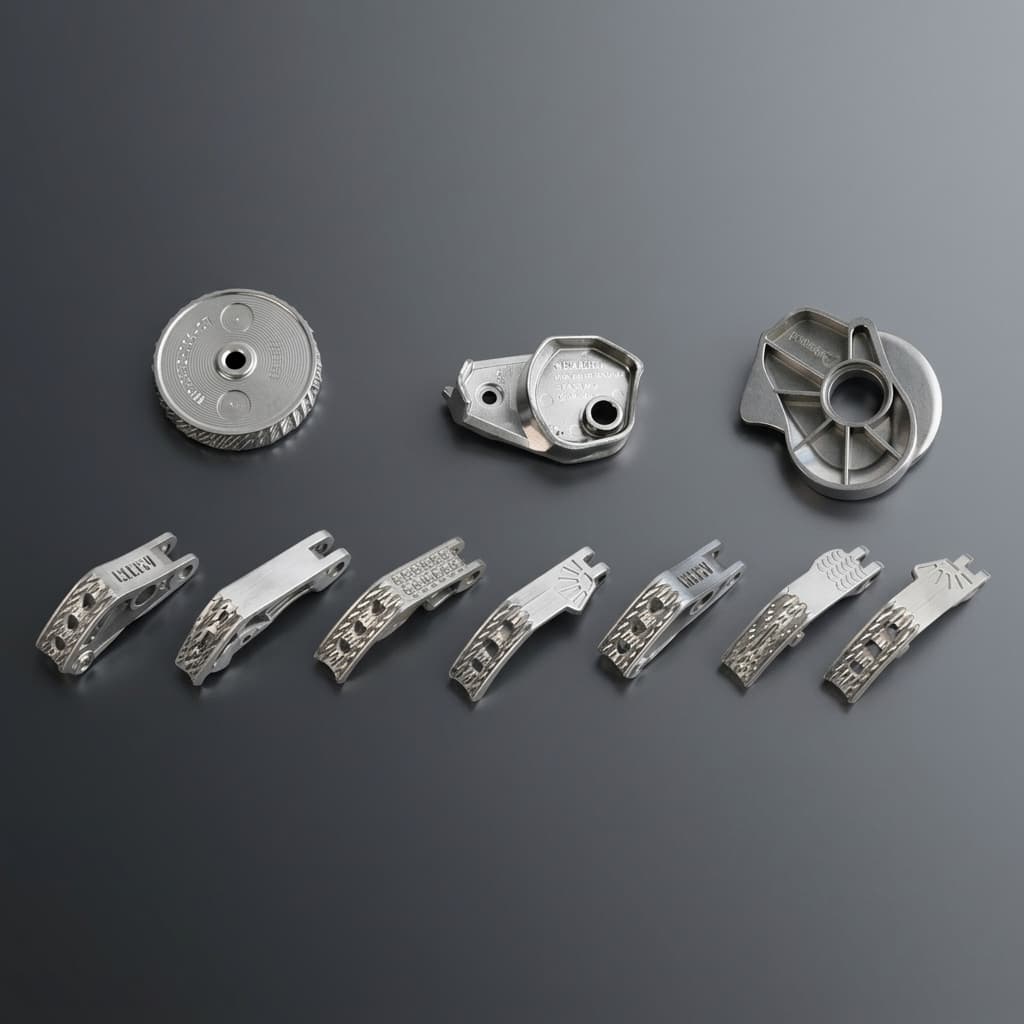
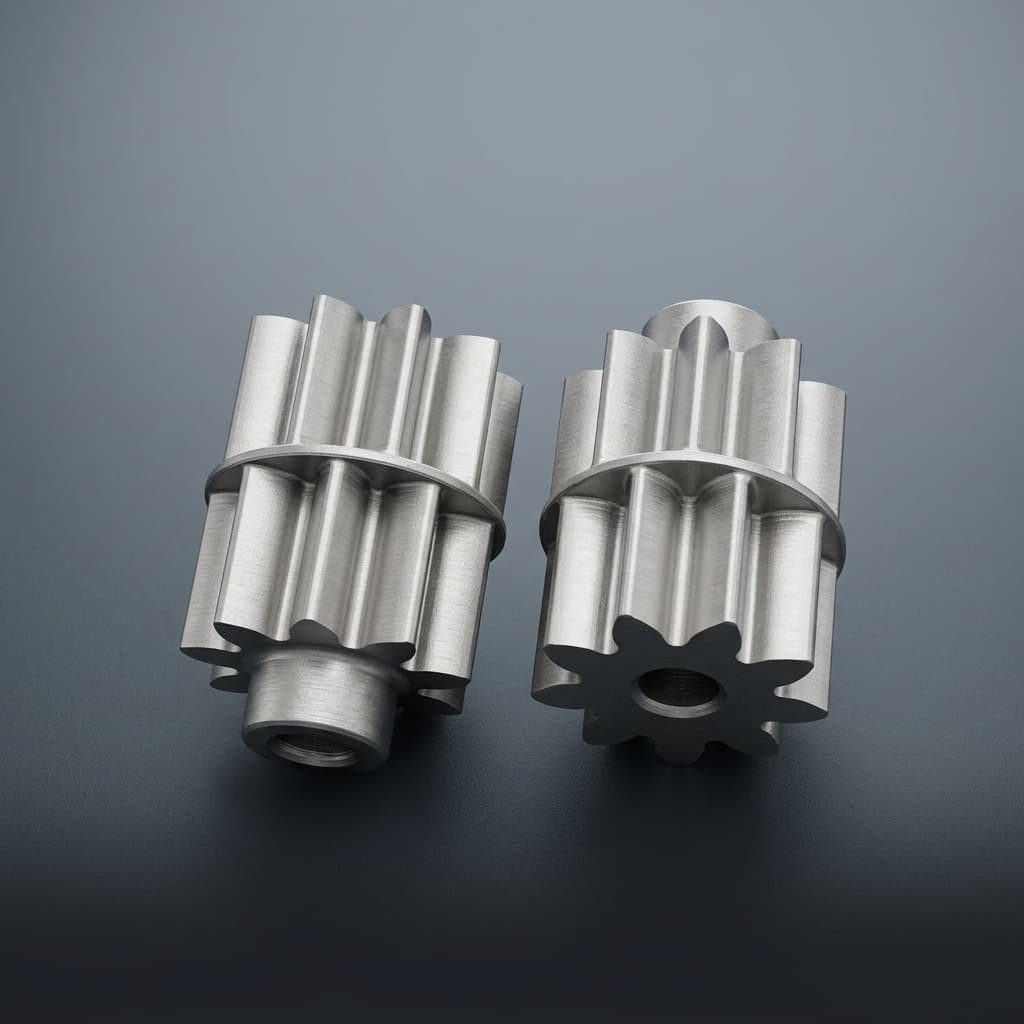
Current visuals are reference manufacturing assets. They should be replaced or supplemented with real factory, fixture, sample, and test-report imagery as the supplier proof library grows.


DFM notes, sample list, basic dimensional report, visual inspection, density or weight check, and engineering feedback.
Best fit
Early AFPM stator or SMC core feasibility review before tooling freeze.
Ballooned drawing reference, CTQ dimensions, datum confirmation, material lot reference, and first article measurement results.
Best fit
Buyer-side design release, pilot purchase, and supplier-quality review.
Agreed B-H, permeability, core loss, insulation, thermal, or coating checks depending on the motor program and sample geometry.
Best fit
High-frequency, high-power-density, eVTOL, robotics, or EV traction programs.
Control plan inputs, process checkpoints, sampling plan, packaging record, revision history, and shipment release documentation.
Best fit
Repeat production transition after prototype acceptance.
Start with buyer-preparation templates before requesting formal inspection or validation files. Final release records should always reference the agreed drawing, sample ID, material lot, and test condition.
Yes. The scope can include dimensional inspection, material lot reference, density or weight checks, visual inspection, and agreed magnetic or insulation validation. Final file depth depends on the RFQ and purchase scope.
Control plan inputs, FMEA support, first article inspection, MSA planning, and PPAP-style documentation can be discussed for EV, eVTOL, or repeat-production programs where the buyer requires them.
Only when the current owned certificate or approved customer file exists and the public scope is clear. Until then, the page should describe audit preparation, project-specific records, and PPAP-style support rather than implying formal certification or customer release.
Define the NCR owner, containment step, buyer deviation path, root-cause review, corrective action, reinspection method, and retest trigger before parts are treated as accepted evidence.
Packaging is defined by product geometry and destination risk. Common controls include rust-prevention handling, barrier wrapping, part separation, cushioning, desiccant when needed, and export carton or crate planning.
Agree the drawing revision, CTQ list, datum plan, sample ID rule, material lot field, density or weight method, magnetic validation condition, packaging release rule, and nonconformance disposition path before parts are treated as buyer-releasable evidence.
Yes. B-H, permeability, and core-loss validation can be quoted when the buyer provides target frequency, flux density, temperature, sample geometry, and acceptance criteria.
Inquiry Email
Attach STEP/DXF/PDF plus frequency, flux density, sample quantity, annual forecast, and destination.