WhatsApp
Axial Flux Core LogoAxial Flux Core
  • Home
  • Contact Us
Start inquiry
Axial Flux Core LogoAxial Flux Core

SMC axial flux motor core and AFPM stator OEM support for advanced electric drive teams.

Inquiry Email

[email protected]

Email app

Attach STEP/DXF/PDF plus frequency, flux density, sample quantity, annual forecast, and destination.

Instant Chat

+8618857971991

Chat on WhatsApp

Direct response from our engineering team.

Core Products
  • Product Portfolio
  • Axial Flux Motor Core
  • AFPM SMC Stator
  • SMC Stator Segments
  • YASA Segmented Stator Teeth
  • 3D Isotropic Flux Core
  • Lamination & Winding Services
  • Custom Compaction Tooling
Applications
  • Applications Overview
  • eVTOL Axial Flux Cores
  • Humanoid Joint Stators
  • Drone Propulsion Cores
  • EV Supercar AFPM Cores
  • Compact Generator Cores
Manufacturing & Quality
  • OEM Capability Hub
  • Technology & Materials
  • SMC Core Manufacturing
  • Manufacturing & Quality
  • Axial Flux Stator Prototyping
  • Compaction Tooling DFM
  • Magnetic Loss Validation
  • AFPM Manufacturing Route Tool
  • AFPM Core Design Checklist
  • AFPM Air Gap Design Tool
  • AFPM Cooling Design Tool
  • AFPM Cogging Torque Tool
Resources
  • Blog
  • About
  • Contact / RFQ
  • Engineering Resources
  • Privacy Policy
  • Cookie Policy
  • Terms of Service
© 2026 Axial Flux Core. All Rights Reserved.|Backed by Linkup Ai Co., Ltd. with axial flux core manufacturing support in Shenzhen and Dongguan, China.
Legal entity: Linkup Ai Co., Ltd.
← Back to OEM Capabilities

Compaction Tooling DFM

DFM review for custom SMC compaction tooling, focused on press direction, ejection path, tooth fragility, density risk, tool ownership, sample-tool boundaries, and pilot-ready inspection evidence.

Best Fit For:For engineering, procurement, and supplier-quality teams that need SMC-specific manufacturability review before committing buyer-owned CAD to a tooling PO.
Start manufacturing RFQReview material data
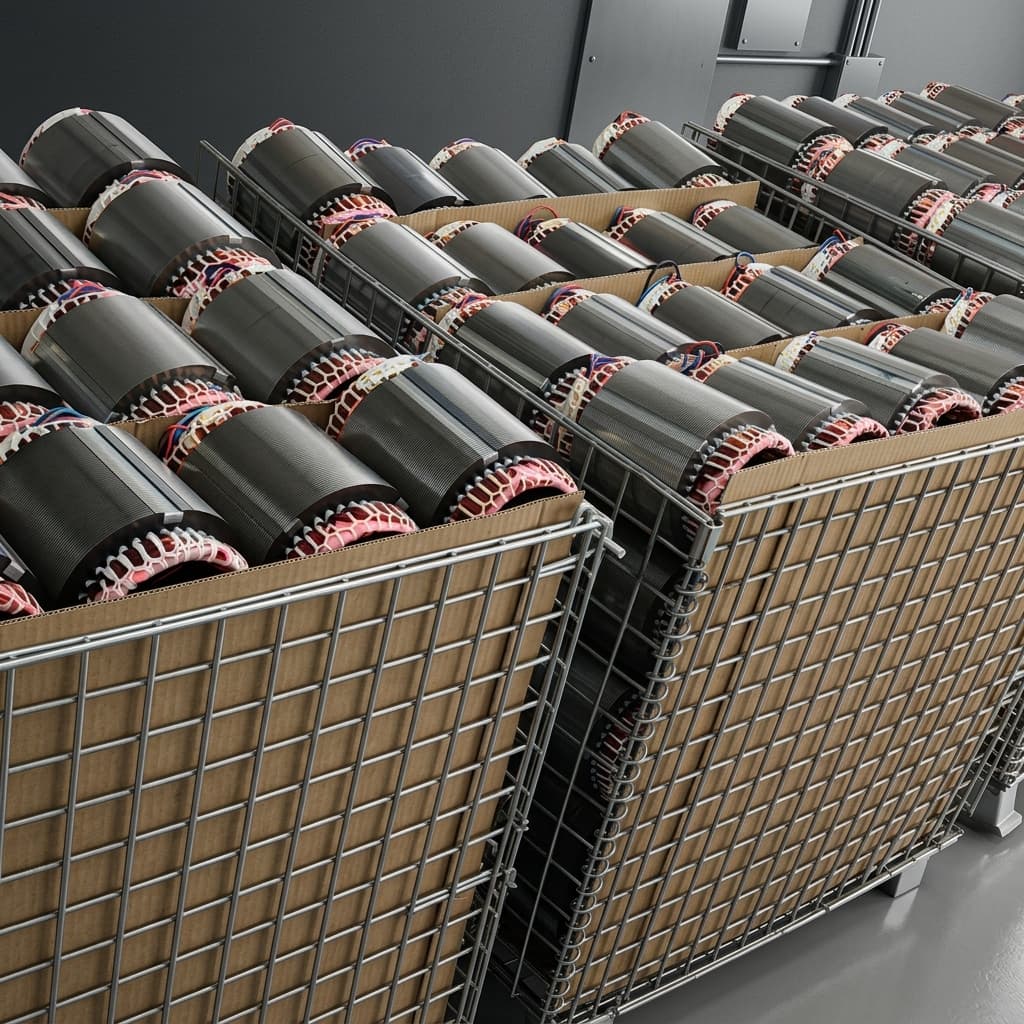
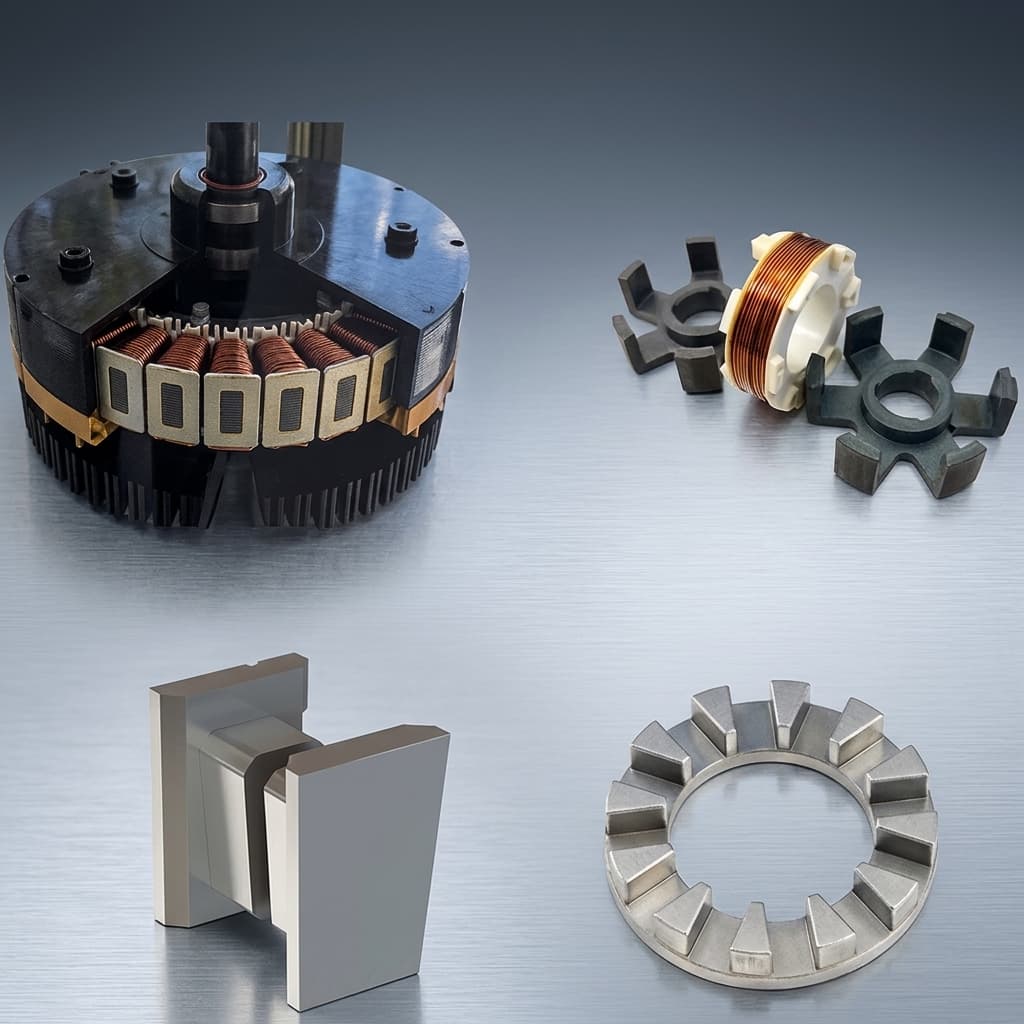
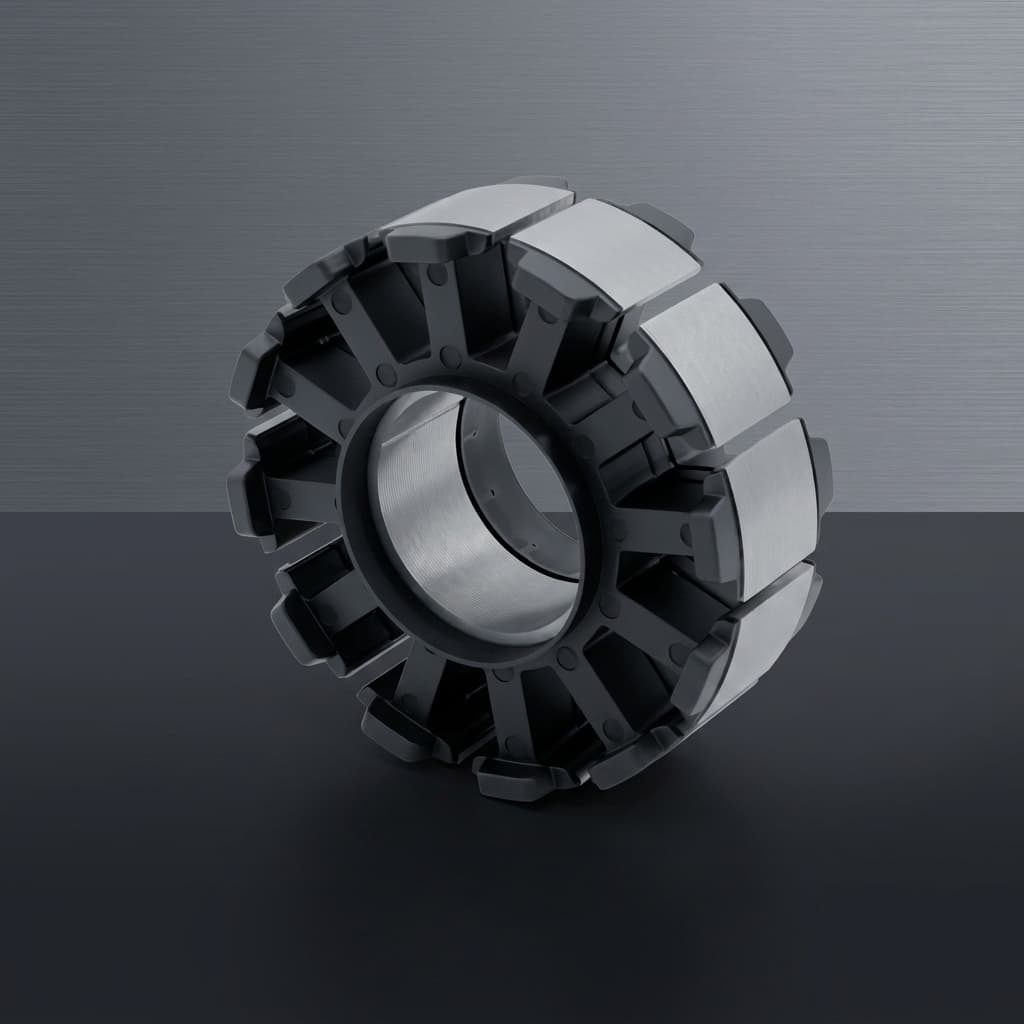
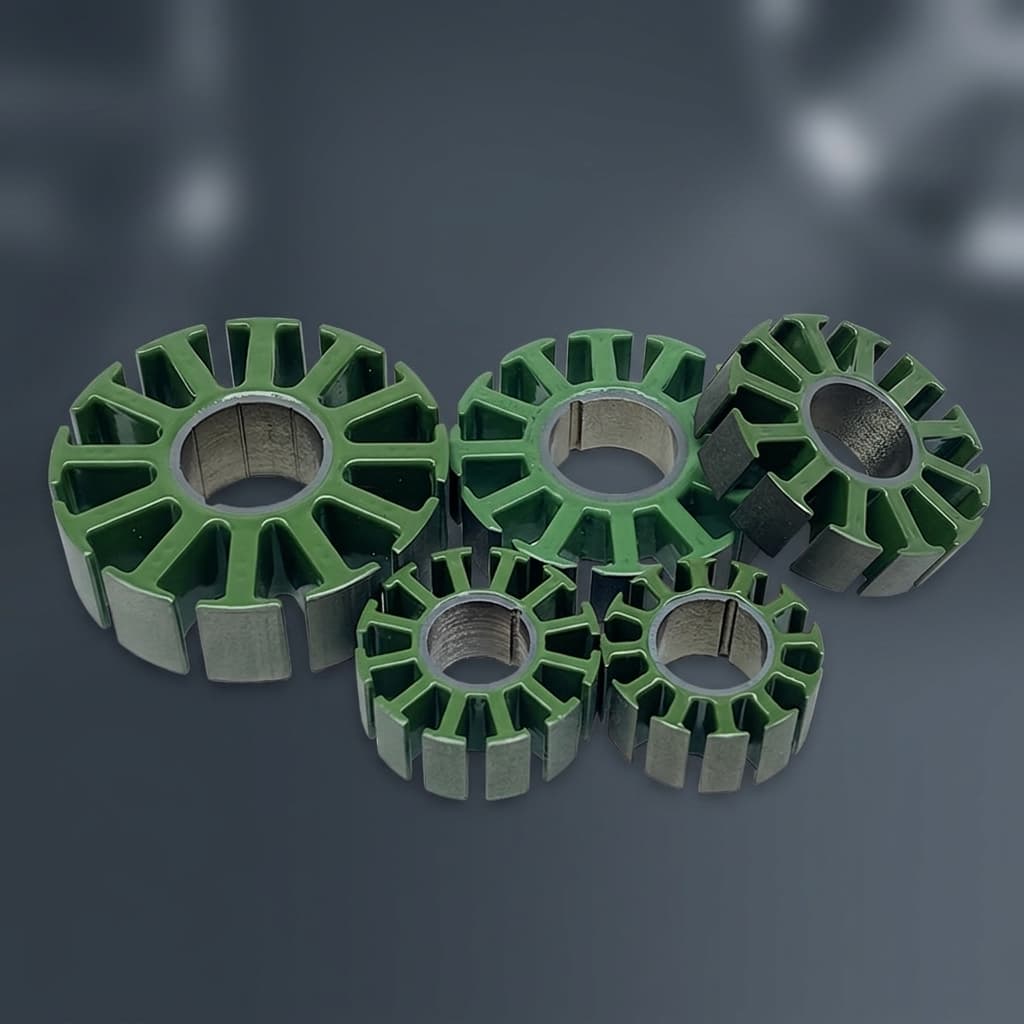
Axial flux stator tooling DFM visual reference

Manufacturing Demand

Manufacturing Buying Trigger

The manufacturing route should be reviewed before sourcing treats the part as a simple machined shape.

Demand Signal

A buyer has frozen enough AFPM stator geometry to ask for tooling cost, but the compaction route is not yet proven.

Buyer Pressure

Procurement needs tooling cost and MOQ, while engineering needs to avoid locking a geometry that cannot eject cleanly or hold density.

Page Response

The page turns tooling RFQ into a sequence: CAD intake, DFM risk map, tool quote boundary, trial-part evidence, and pilot transfer gate.

Demand Signal

Thin teeth, sharp corners, deep slots, and segmented stator parts are being moved from CAD into SMC powder compaction.

Buyer Pressure

Late discovery of cracking, chipped air-gap faces, density gradients, or demolding damage can waste the tooling budget.

Page Response

Tooling DFM focuses on press direction, draft/radii, green strength, ejection, local density balance, and CTQ inspection before tool freeze.

Demand Signal

Prototype samples are successful enough that the team wants pilot or repeat-order tooling clarity.

Buyer Pressure

A learning tool, pilot tool, and production tool may carry different cost, life, maintenance, ownership, and revision rules.

Page Response

The tooling scope separates sample objective, tool ownership, maintenance boundary, revision-trigger rule, and pilot-volume assumption.

Demand Signal

Supplier quotes look similar on price but do not expose what is included in tooling evidence or revision handling.

Buyer Pressure

Procurement cannot compare suppliers if tool design review, trial samples, FAI, revision loops, and storage terms are hidden.

Page Response

The page defines RFQ inputs and evidence checkpoints so the buyer can compare tooling proposals on risk, not only on line-item price.

Evidence Pack

Audit-Ready Proof Package

For OEM sourcing reviews, the useful proof is not a generic capability claim. It is a controlled set of files that a buyer can audit before NDA release, sample acceptance, pilot build, or repeat order.

Download templatesQuality controlsRequest evidence scope

Can the supplier identify SMC tooling risks before CAD freeze?

Evidence to Prepare

Compaction direction review, demolding angle notes, corner radius comments, fragile-feature list, and green-strength risk log.

Acceptance Focus

Reduces trial-part cracking, chipped teeth, density gradients, and late drawing loops.

Can tooling cost, ownership, sample scope, and production assumptions be separated clearly?

Evidence to Prepare

Tooling quote line, sample quantity, tool-life assumption, maintenance boundary, buyer approval gate, and revision-trigger rule.

Acceptance Focus

Gives procurement a cleaner basis for tooling PO approval and later volume negotiation.

Can high-risk CTQ features be inspected after compaction and post-process?

Evidence to Prepare

Datum plan, CMM or fixture method, tooth pitch or air-gap face checks, burr/chip criteria, and FAI report format.

Acceptance Focus

Connects manufacturability decisions to measurable acceptance evidence.

Can prototype tooling be separated from pilot or production tooling without hiding cost or risk?

Evidence to Prepare

Tool type statement, sample objective, tool ownership rule, maintenance boundary, tool-life assumption, revision-trigger list, and pilot transfer gate.

Acceptance Focus

Helps buyers avoid paying for a production-style tool before geometry, material route, and evidence expectations are stable.

Can drawing changes after tool freeze be controlled instead of absorbed informally?

Evidence to Prepare

Revision log, changed-feature list, DFM impact note, tooling rework decision, sample revalidation rule, and buyer approval record.

Acceptance Focus

Protects cost, schedule, and repeatability when engineering iterations continue after the first tooling decision.

Buyer CheckpointEvidence to PrepareAcceptance Focus
Can the supplier identify SMC tooling risks before CAD freeze?Compaction direction review, demolding angle notes, corner radius comments, fragile-feature list, and green-strength risk log.Reduces trial-part cracking, chipped teeth, density gradients, and late drawing loops.
Can tooling cost, ownership, sample scope, and production assumptions be separated clearly?Tooling quote line, sample quantity, tool-life assumption, maintenance boundary, buyer approval gate, and revision-trigger rule.Gives procurement a cleaner basis for tooling PO approval and later volume negotiation.
Can high-risk CTQ features be inspected after compaction and post-process?Datum plan, CMM or fixture method, tooth pitch or air-gap face checks, burr/chip criteria, and FAI report format.Connects manufacturability decisions to measurable acceptance evidence.
Can prototype tooling be separated from pilot or production tooling without hiding cost or risk?Tool type statement, sample objective, tool ownership rule, maintenance boundary, tool-life assumption, revision-trigger list, and pilot transfer gate.Helps buyers avoid paying for a production-style tool before geometry, material route, and evidence expectations are stable.
Can drawing changes after tool freeze be controlled instead of absorbed informally?Revision log, changed-feature list, DFM impact note, tooling rework decision, sample revalidation rule, and buyer approval record.Protects cost, schedule, and repeatability when engineering iterations continue after the first tooling decision.
Buyer Inputs That Unlock the Review
  • Latest STEP/DXF/2D drawing package with revision ID, ownership boundary, datum scheme, and CTQ dimensions
  • Target material route, density target, operating condition, post-process requirements, coating or corrosion-protection expectation
  • Known fixed features: air-gap face, tooth pitch, tooth width, slot depth, segment interface, winding access, and features that cannot change
  • Areas open for DFM adjustment: draft, radius, corner relief, machining allowance, ejection witness marks, and non-critical surfaces
Release Boundary

Any released claim should be tied to the buyer drawing, sample ID, material batch, inspection method, and agreed test condition instead of a generic marketing statement.

Capability Highlights

  • Compaction direction, punch access, die split, and ejection review before buyer design freeze
  • Risk mapping for thin teeth, sharp corners, high aspect ratios, undercuts, green strength, and local density variation
  • Clear separation between prototype learning tools, pilot-intent tools, and production tooling assumptions
  • Tooling quote boundaries for ownership, maintenance, revision triggers, sample scope, and tool-life assumptions
  • Trial-part evidence plan covering FAI, CTQs, density or weight checks, chip/burr review, and optional magnetic validation

Typical Engagement Scope

  • Custom SMC tooling
  • AFPM stator tooling
  • Segmented core tooling
  • YASA-style stator tooth tooling
  • 3D flux pole and yoke tooling
  • Prototype-to-pilot tooling transfer

Execution Focus

  • Tooling intake: STEP, DXF, 2D drawing, revision ID, datum scheme, CTQs, compaction direction, punch/die access, die split, and ejection path
  • Geometry risk: minimum tooth width, slot depth, sharp corners, undercuts, draft/radius needs, high aspect ratios, air-gap face protection, and fragile segment edges
  • SMC process boundary: material grade target, density target, lubrication or release assumptions, thermal route, machining allowance, coating, and post-process exposure
  • Commercial boundary: prototype tool versus pilot-intent tool, tool ownership, maintenance, storage, revision triggers, trial sample quantity, and tooling cost line items
  • Release evidence: trial sample IDs, FAI dimensions, CTQ report, density or weight check, visual chip/burr/coating notes, optional magnetic data, and pilot transfer recommendation

Engineering Datasheet

Use this page as a tooling DFM and sourcing checklist, not as a public guarantee of press tonnage, tool life, certified process capability, fixed lead time, or production approval. Exact tooling route, equipment fit, sample timing, tool ownership, and controlled records should be confirmed after drawing review or under NDA.

ParameterRFQ Planning RangeEngineering Note
DFM intake packageSTEP or native 3D CAD, DXF if relevant, 2D PDF with tolerances, revision ID, datum scheme, CTQs, and buyer-owned drawing boundaryTooling review must connect the exact geometry revision to the same datum and CTQ list used for trial-part inspection.
Compaction and ejection reviewPress direction, punch/die access, die split, ejection path, draft/radii, air-gap face protection, and witness-mark toleranceMany SMC tooling risks are decided by how powder is compacted and how the green part leaves the tool, not only by the final CAD shape.
Fragile-feature risk mapThin teeth, deep slots, sharp corners, high aspect ratios, undercuts, segment edges, local density balance, and chip/burr criteriaA clear risk map lets buyers decide which features are fixed and which can be adjusted before tooling cost is locked.
Tooling commercial boundaryPrototype tool, pilot-intent tool, production tool, ownership, storage, maintenance, tool-life assumption, and revision-trigger ruleProcurement can compare quotes only when tooling scope, sample charges, maintenance, and rework rules are visible.
Trial-part release evidenceSample IDs, FAI dimensions, CTQ report, density or weight check, visual/chip notes, optional magnetic data, and deviation listTooling success should be judged by evidence tied to sample revision and acceptance criteria, not by loose parts alone.
Pilot transfer readinessAccepted revision, open tooling risks, inspection method, maintenance plan, packaging method, pilot volume, and change-control ruleA tooling project becomes sourcing-ready when the buyer can see what remains controlled for repeat lots.

Process Notes

  • Freeze CTQs, datum scheme, and fixed versus adjustable features before tooling quotation is treated as final.
  • Separate design review, tool build, trial samples, inspection records, revisions, maintenance, storage, and shipment terms in the quote.
  • Any CAD revision after tool freeze should trigger a documented tooling impact review before rework or new samples.
  • Use public tooling renders only as visual references; real proof should come from controlled tool records, trial samples, and buyer-approved reports.

Validation Notes

  • Trial samples should carry drawing revision, sample IDs, FAI dimensions, CTQ checks, density or weight baseline, and visual chip/burr notes.
  • Magnetic or insulation validation should be scoped separately when tooling changes could affect density, surface condition, or post-process route.
  • Pilot readiness should not be inferred from a learning tool unless ownership, maintenance, accepted revision, inspection method, and volume assumption are documented.

Program Evaluation Matrix

Program MetricTypical RangeProcurement Value
DFM readinessCAD intake, CTQ list, compaction direction review, fragile-feature map, ejection notes, and open DFM questionsSMC tooling cost and sample success depend heavily on geometry decisions made early.
Tooling commercial clarityTool type, ownership, maintenance, storage, tool-life assumption, sample charge, revision-trigger ruleProcurement needs a clean basis for approving tooling cost and comparing supplier proposals.
Trial-part evidenceSample IDs, FAI, CTQ report, density or weight check, visual chip/burr notes, optional validation dataEngineering and quality can decide whether the tool, geometry, or process route needs revision.
Pilot transfer controlAccepted revision, remaining risks, inspection method, maintenance plan, packaging rule, and pilot volumeLow-volume sourcing needs repeatable controls, not only one successful trial part.

Validation

Validation Gates Before Pilot Release

Quality controls
GateEvidence to PrepareAcceptance Focus
CAD and CTQ intakeSTEP/DXF/2D drawing, revision ID, drawing owner, datum plan, fixed features, adjustable areas, and NDA status.The tooling review starts from a controlled geometry package rather than screenshots or incomplete CAD.
SMC tooling DFM risk reviewCompaction direction, punch/die access, draft/radius notes, ejection path, thin-feature risk map, and density-risk comments.The buyer understands which geometry choices create cracking, chipped edges, density gradients, or tool complexity.
Tool quote and ownership lockTool type, tooling cost line, sample charge, tool ownership, maintenance rule, storage term, tool-life assumption, and revision-trigger list.Procurement can approve the tooling PO without hidden assumptions about ownership, revisions, or pilot use.
Trial sample and FAI releaseTrial sample IDs, FAI dimensions, CTQ report, density or weight check, visual/chip notes, deviation list, and optional magnetic data.Engineering and supplier quality can decide whether to accept the tool, revise CAD, rework tooling, or run another sample loop.
Pilot tooling transferAccepted revision, open risk list, maintenance plan, inspection method, packaging rule, pilot quantity, and repeat-order change-control rule.The tooling scope is ready for low-volume pilot sourcing without treating a learning tool as production-approved by default.

RFQ Inputs

RFQ Input Map

Send RFQ
InputWhy It MattersUseful Example
Controlled drawing and CTQ packageTooling decisions depend on the exact buyer-owned revision, datum scheme, and features that cannot be changed.STEP + 2D PDF Rev C, datum A/B/C, air-gap face flatness and segment pitch marked as CTQ, NDA required for full CAD.
Fixed versus adjustable featuresSMC DFM can often reduce tooling risk if the buyer identifies where draft, radii, relief, or machining allowance is allowed.Tooth pitch and air-gap face fixed; outer edge radius and non-contact ejection witness marks can be reviewed.
Material, density, and post-process targetPowder route, density target, thermal process, coating, and machining boundary affect tool design and sample acceptance.High-density SMC route, density target to review, coated surface required, machining allowed only on mounting datum.
Tooling commercial boundaryBuyers need to know whether the quote covers a learning tool, pilot-intent tool, or production tool and who owns future revisions.Prototype tool for 30 trial samples, buyer-owned after acceptance, rework quoted separately if Rev D changes CTQ geometry.
Trial sample and pilot contextTooling release evidence should match the decision gate: DFM learning, sample approval, pilot transfer, or repeat-order readiness.20 trial pieces with FAI and density check, pilot lot 300 pieces after approval, annual forecast 3,000 pieces, shipment to Germany.

RFQ Preparation Checklist

  1. Latest STEP/DXF/2D drawing package with revision ID, ownership boundary, datum scheme, and CTQ dimensions
  2. Target material route, density target, operating condition, post-process requirements, coating or corrosion-protection expectation
  3. Known fixed features: air-gap face, tooth pitch, tooth width, slot depth, segment interface, winding access, and features that cannot change
  4. Areas open for DFM adjustment: draft, radius, corner relief, machining allowance, ejection witness marks, and non-critical surfaces
  5. Tooling intent: learning prototype tool, pilot-intent tool, production tool, single-cavity or multi-cavity assumption, and expected revision loop
  6. Commercial boundary: tooling cost line, ownership, storage, maintenance, tool-life assumption, revision-trigger rule, and sample charge separation
  7. Trial sample quantity, acceptance criteria, FAI or density report requirements, pilot volume, annual forecast, and shipment destination

Risk and Mitigation

  • Tooling is treated like a normal CNC fixture: Review compaction, density, part release, and material behavior as tooling fundamentals.
  • A quote is issued before compaction direction, draft, radii, and ejection risk are reviewed: Run a DFM gate that marks press direction, die split, punch access, ejection path, fragile features, and adjustable surfaces before quote lock.
  • Tooling cost hides sample charges, revisions, maintenance, or ownership terms: Separate tool build, trial samples, inspection, storage, maintenance, buyer ownership, and revision-trigger rules in the RFQ and quote.
  • A prototype learning tool is treated as production-ready tooling: Create a pilot transfer gate covering accepted revision, trial evidence, open risks, maintenance plan, inspection method, and forecast volume.
  • CAD changes after tool freeze are absorbed without revalidation: Require a revision impact review, tooling rework decision, updated sample IDs, and repeated CTQ checks for changed features.
  • Density or magnetic behavior is assumed from geometry alone: Tie density, weight, optional magnetic data, and post-process notes to trial samples when those characteristics affect buyer approval.

Related Products

SMC compaction process and tooling reference
Compaction tooling DFM review for SMC cores
Tooling feasibility for AFPM stators

Buyer FAQ

Can you quote tooling separately from samples?

Yes. Tooling, sample parts, inspection, and optional test work can be separated for buyer-side approval.

What information is needed for first tooling DFM feedback?

A STEP file, 2D drawing or CTQ list, target material route, fixed features, adjustable features, sample objective, expected volume, and NDA status are enough for a structured first review.

Can a prototype tool be used for pilot production?

Sometimes, but it should not be assumed. Prototype tools, pilot-intent tools, and production tools can differ in material, maintenance, cavity strategy, inspection plan, and accepted revision control.

Do you guarantee tool life on the public page?

No. Tool life depends on part geometry, material route, density target, press route, maintenance, volume, and revision stability. It should be confirmed during project review or under NDA.

Who owns the compaction tool after payment?

Tool ownership, storage, maintenance, modification rights, and end-of-project handling should be written into the quote or purchase agreement before the tooling PO.

What happens if CAD changes after tooling starts?

The changed features should be reviewed against tooling impact, cost, schedule, and revalidation needs before rework or new trial samples are approved.

How are confidential tooling drawings protected?

Use a public summary for first contact, then define NDA status, buyer-owned drawing references, allowed reviewers, file handoff route, and manufacturing-only scope before sharing detailed CAD.

Related Resources

  • SMC material data hub
  • Manufacturing & quality controls
  • Custom SMC Compaction Tooling
  • SMC Core Manufacturing
  • Axial Flux Stator Prototyping
  • Manufacturing & Quality
  • First Article Inspection Checklist
  • Contact / RFQ

Inquiry Email

[email protected]

Email app

Attach STEP/DXF/PDF plus frequency, flux density, sample quantity, annual forecast, and destination.

Instant Chat

+8618857971991

Chat on WhatsApp

Direct response from our engineering team.