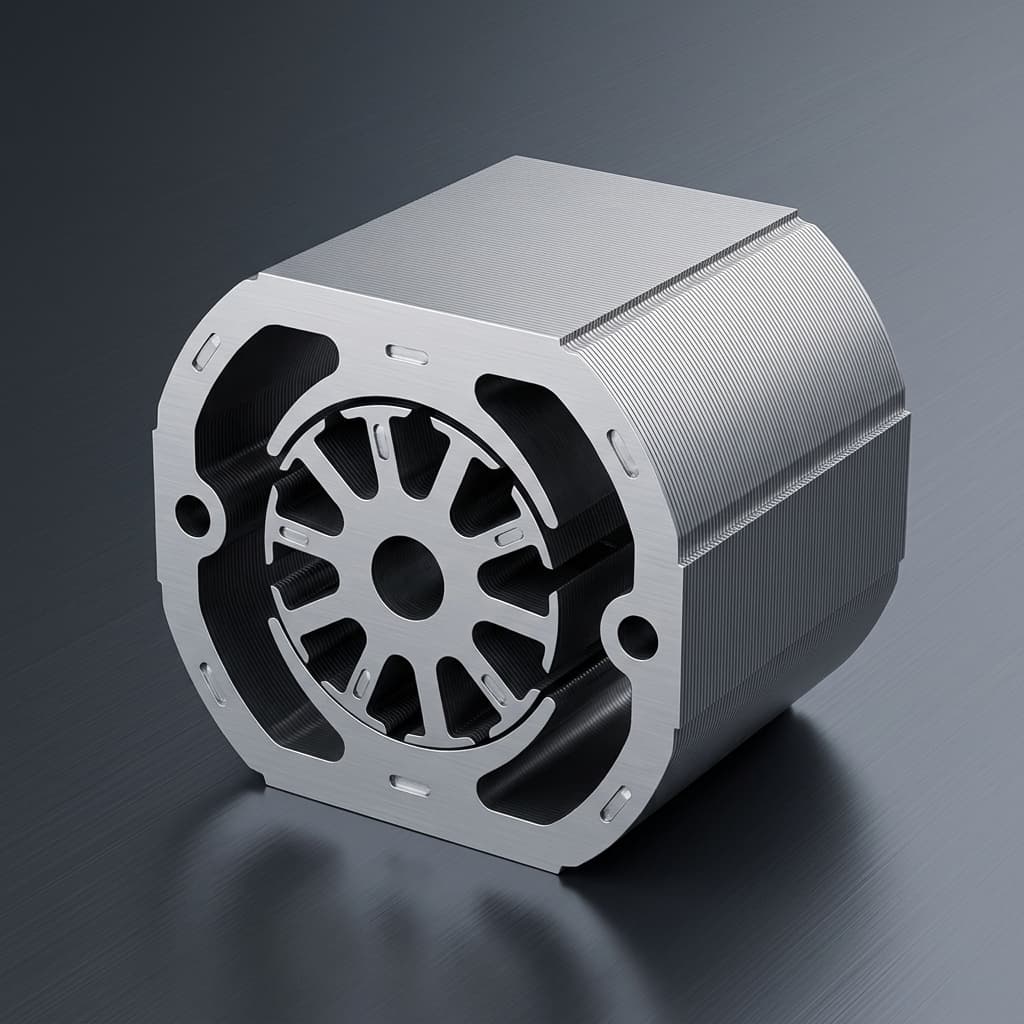
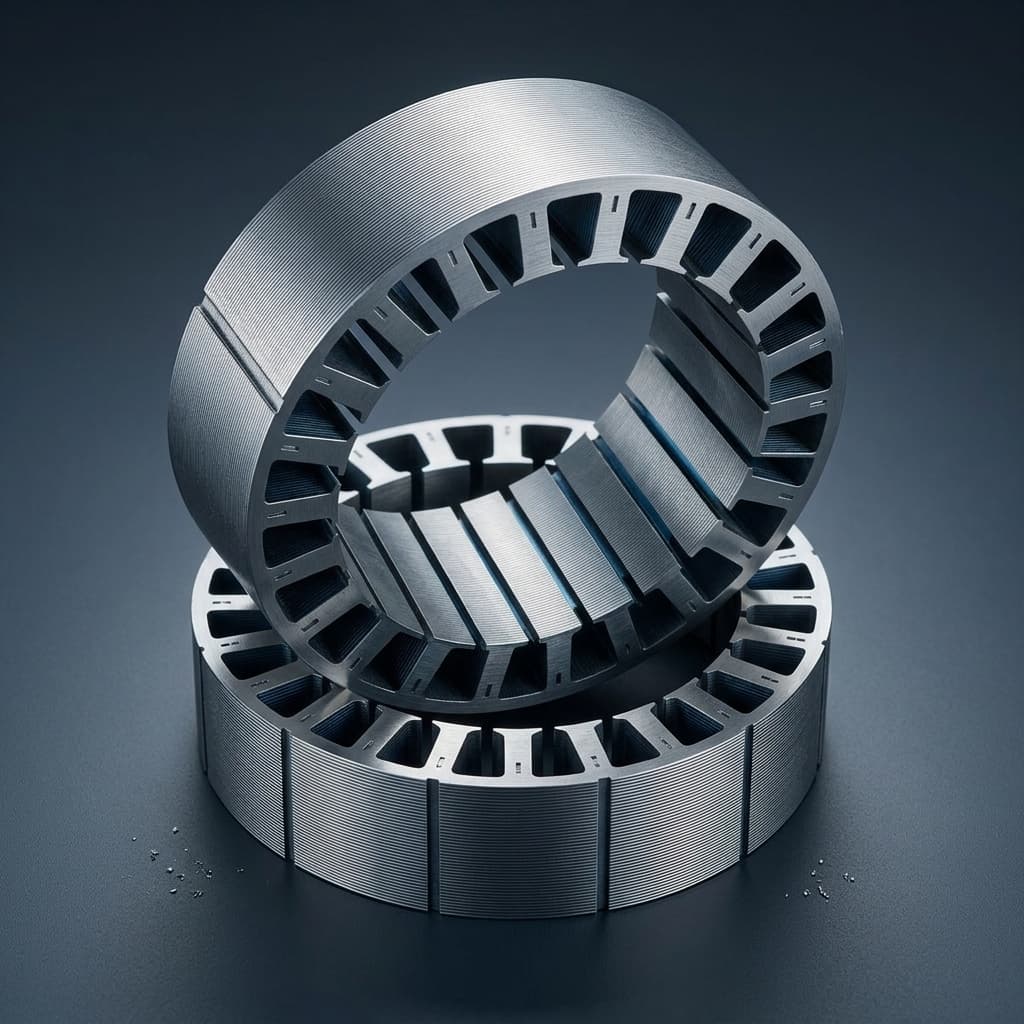
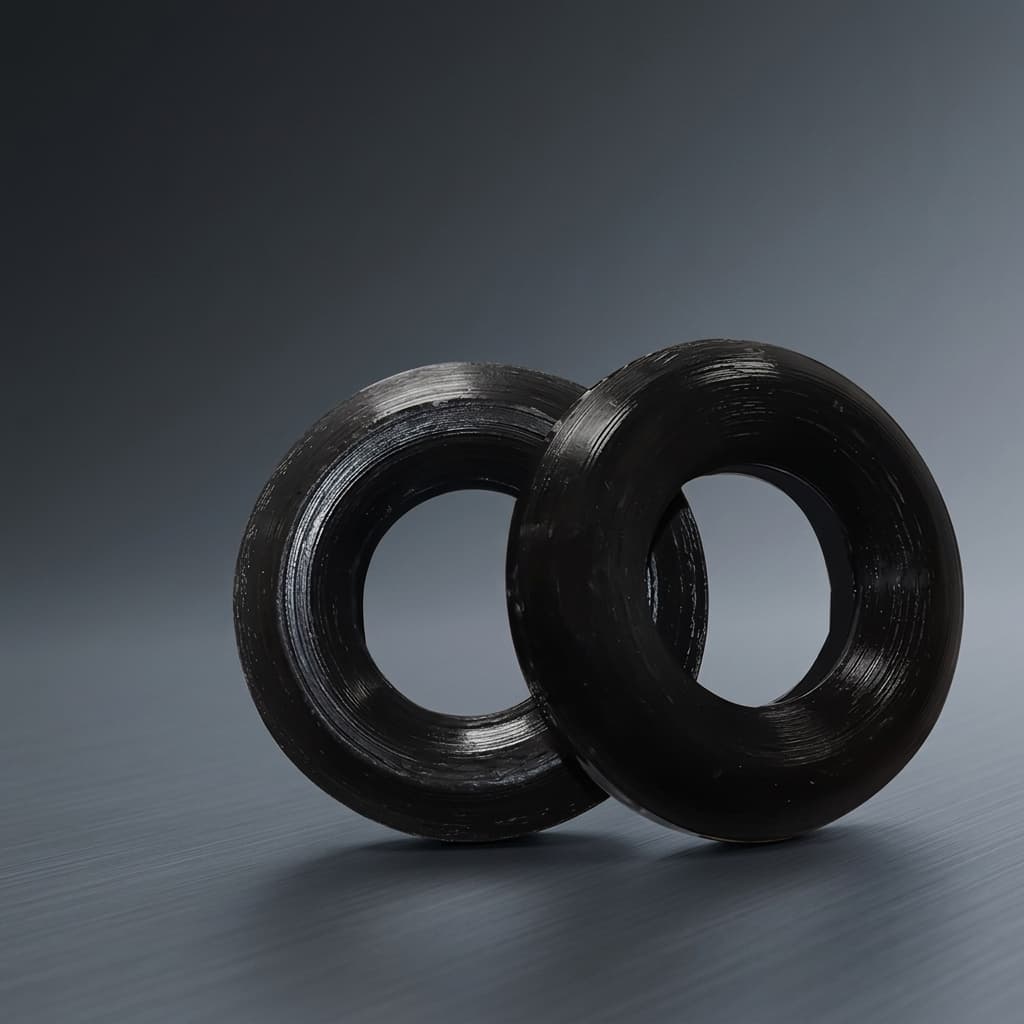
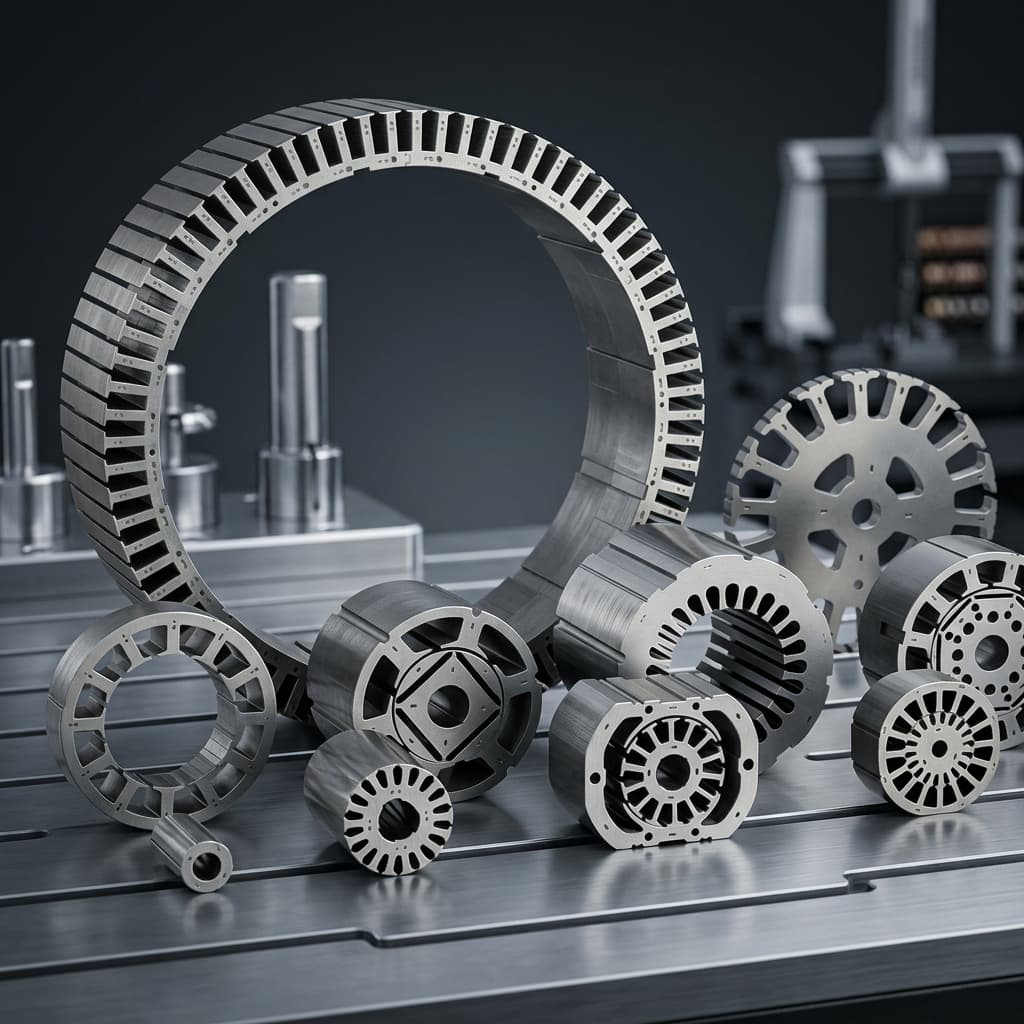
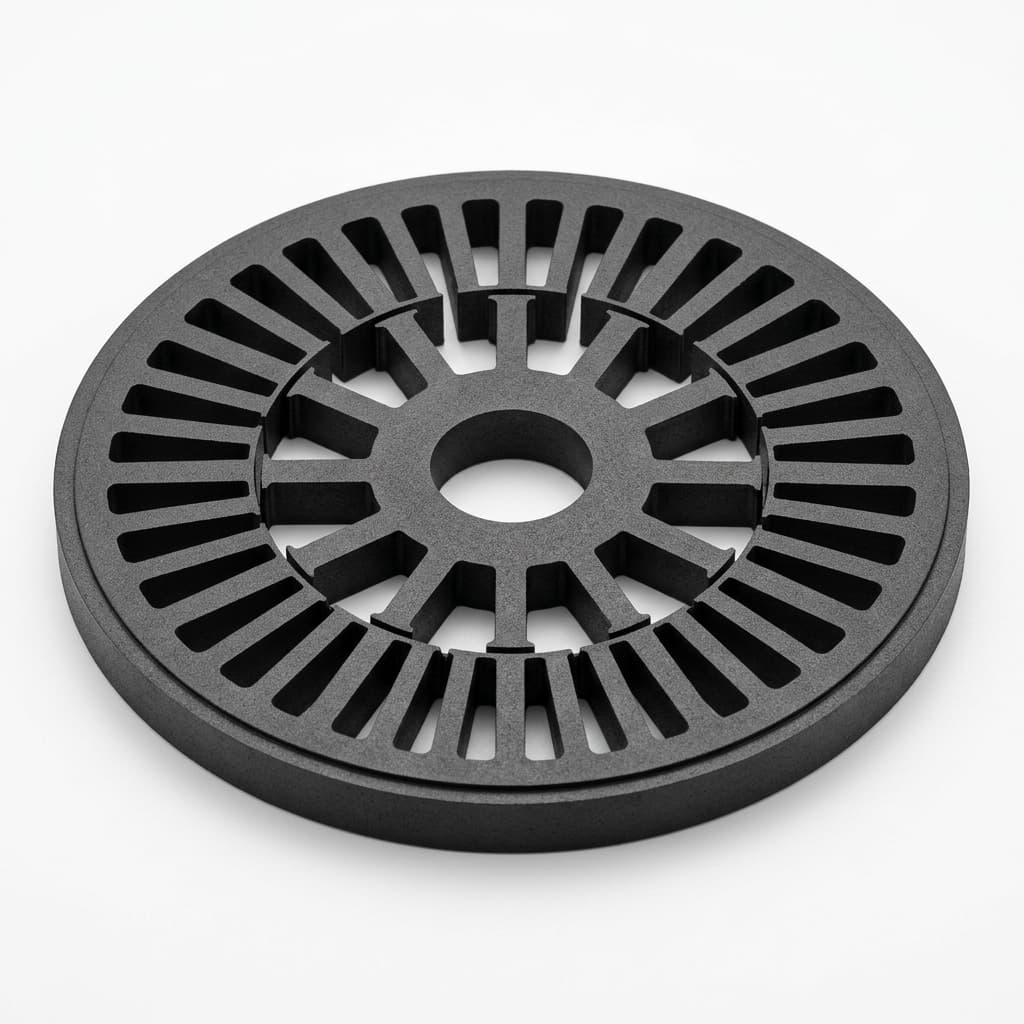
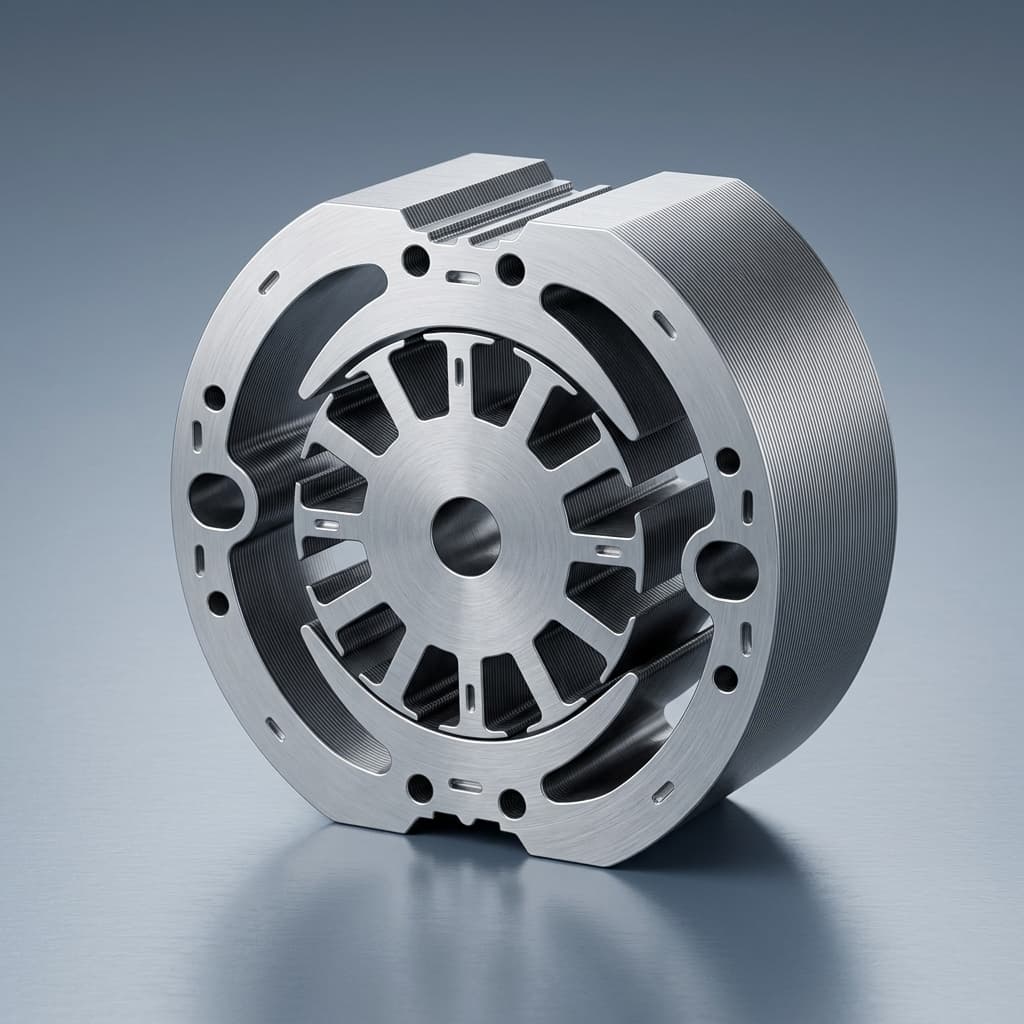
| Axial Flux Motor Core | Best for motor R&D, sourcing, and supplier-quality teams that already have an axial flux electromagnetic concept and need a manufacturable SMC core or stator part before tooling commitment. | Custom geometry envelope: Circular, sector/fan-shaped, segmented, and optimized 3D tooth concepts within RFQ-reviewed OD 30-800 mm planning window | Axial flux programs often need shapes that do not map cleanly to conventional radial-motor lamination tooling. |
| AFPM SMC Stator | For motor R&D, sourcing, and supplier-quality teams comparing SMC, silicon steel lamination, and PCB stator routes for compact axial flux platforms before tooling commitment. | Stator format: One-piece circular ring, sector/fan segment, segmented stator, or tooth-module SMC stator | The format drives tooling cost, winding access, fixture strategy, serviceability, pitch control, and supplier responsibility. |
| SMC Stator Segments | For motor R&D, sourcing, and supplier-quality teams using segmented SMC stator modules to reduce full-ring tooling risk, open the winding path, and control assembly evidence before pilot commitment. | Segment repeatability: Tooth height, datum faces, pitch feature, slot opening, and fixture-controlled circular position | A small error per segment can create large circular pitch and air-gap variation in the final stator. |
| YASA Segmented Stator Teeth | For advanced motor OEM, Tier 1, and R&D sourcing teams using a buyer-owned YASA-style or yokeless segmented armature topology and needing manufacturable winding-ready tooth modules instead of a generic full-ring stator. | Tooth-to-tooth consistency: Circular pitch, tooth height, air-gap face, and datum tolerance by controlled drawing and fixture plan | YASA stators accumulate small tooth errors into air-gap, noise, and torque-ripple risk. |
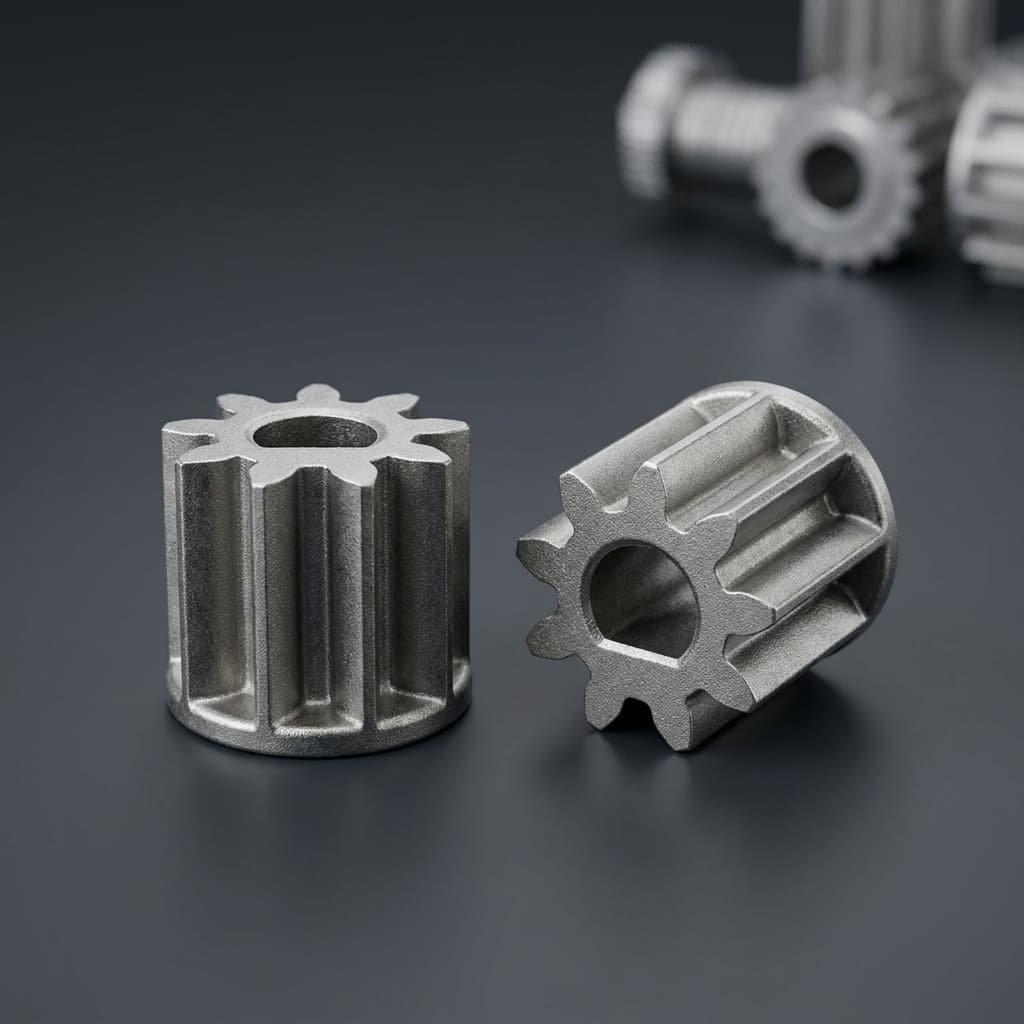
| 3D Isotropic Flux Core | For motor, actuator, generator, and electromagnetic R&D teams whose flux path is not well served by a 2D lamination stack and who need manufacturable SMC geometry before committing to tooling. | Magnetic isotropy: Radial, axial, and circumferential flux support by SMC material route and geometry | Isotropic behavior is the main reason to consider SMC for complex 3D magnetic paths instead of stacked silicon steel. |
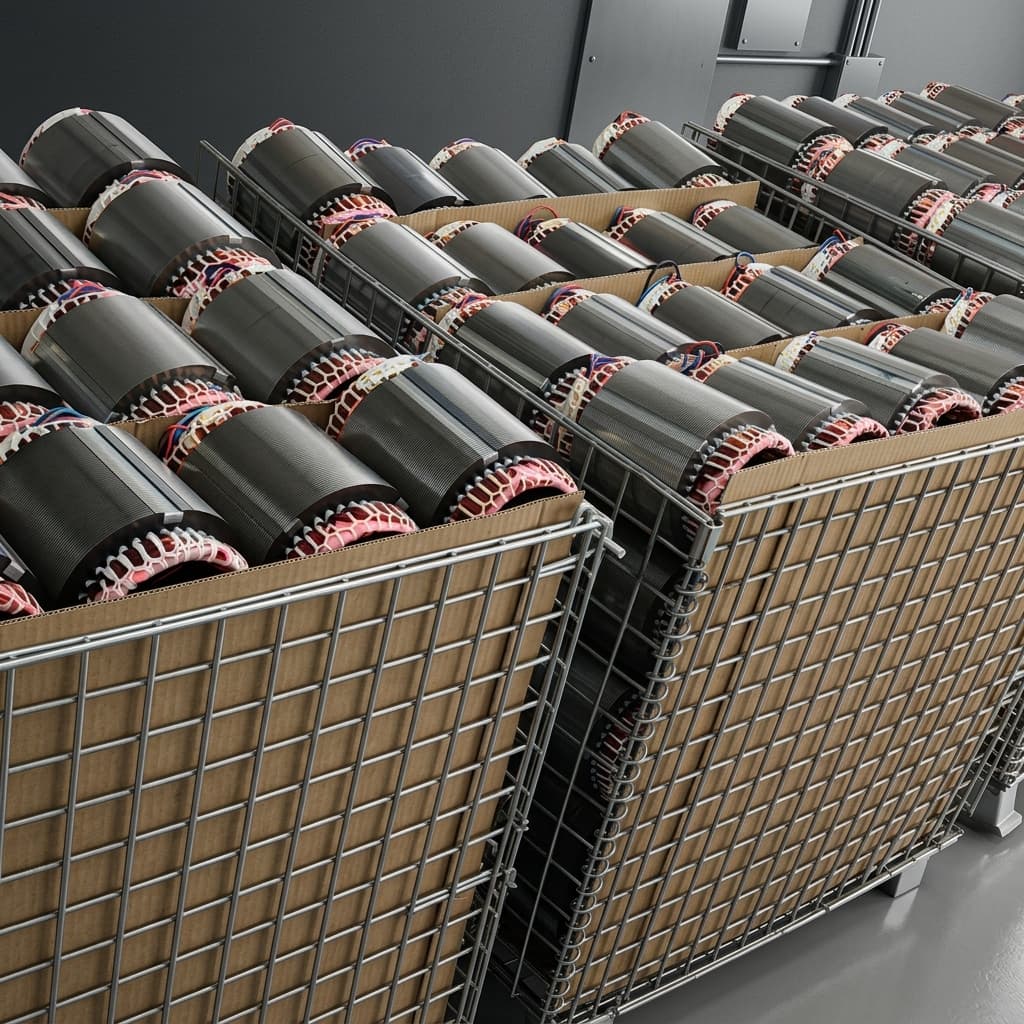
| Lamination & Winding Services | For motor R&D, sourcing, and manufacturing teams comparing SMC with thin silicon steel, or needing an axial lamination core, wound stator, insulation process, and electrical release package under one RFQ. | Lamination thickness: 0.10-0.35 mm silicon steel planning range | Thickness selection affects permeability, eddy-current loss, punching feasibility, burr risk, and sourcing availability. |
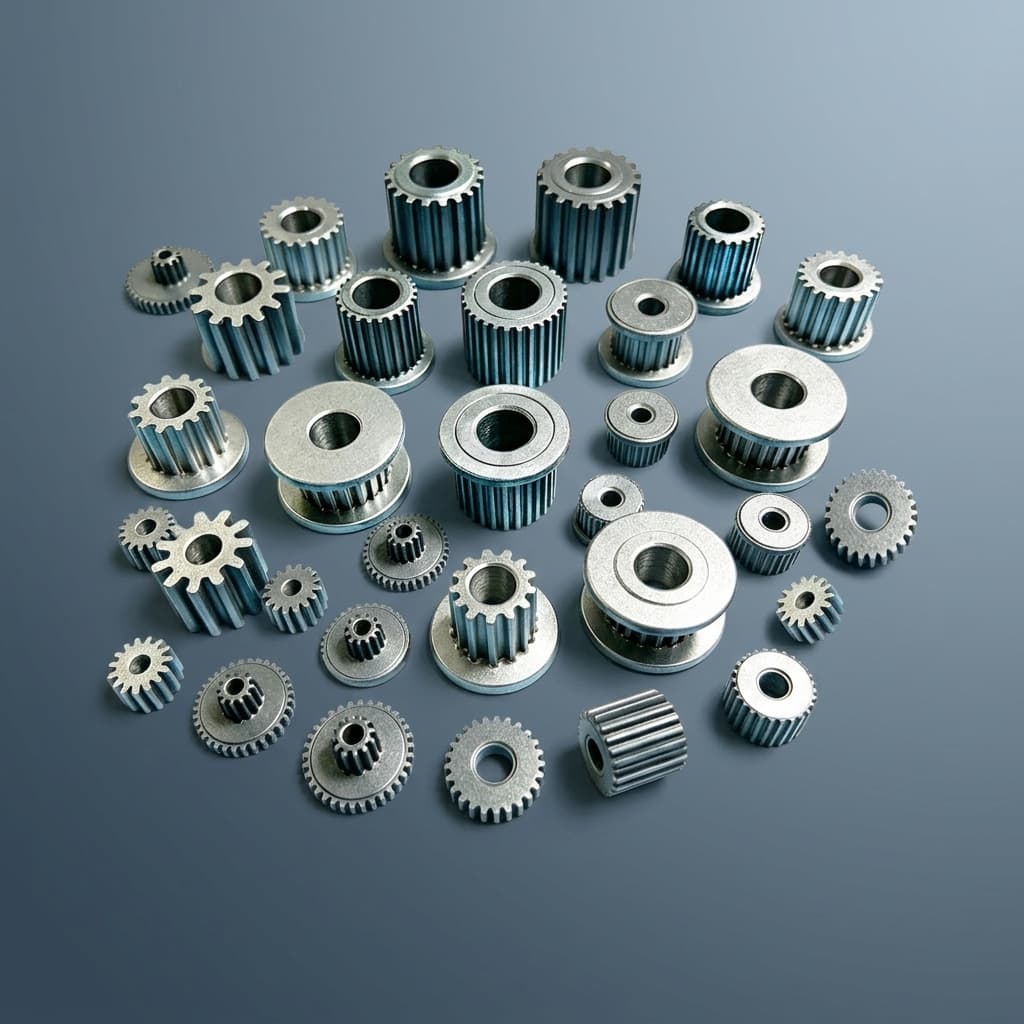
| Custom SMC Compaction Tooling | For motor R&D, sourcing, and supplier-quality teams that already have an AFPM core or YASA tooth CAD package and need a manufacturable SMC compaction tool, sample plan, tooling cost boundary, and release evidence before purchase-order approval. | Tooling phase: DFM, prototype tool, pilot tool, production tool | Each tooling phase carries different cost, evidence, tool-life, maintenance, revision, and pilot-readiness assumptions. |