WhatsApp
Axial Flux Core LogoAxial Flux Core
  • Home
  • Contact Us
Start inquiry
Axial Flux Core LogoAxial Flux Core

SMC axial flux motor core and AFPM stator OEM support for advanced electric drive teams.

Inquiry Email

[email protected]

Email app

Attach STEP/DXF/PDF plus frequency, flux density, sample quantity, annual forecast, and destination.

Instant Chat

+8618857971991

Chat on WhatsApp

Direct response from our engineering team.

Core Products
  • Product Portfolio
  • Axial Flux Motor Core
  • AFPM SMC Stator
  • SMC Stator Segments
  • YASA Segmented Stator Teeth
  • 3D Isotropic Flux Core
  • Lamination & Winding Services
  • Custom Compaction Tooling
Applications
  • Applications Overview
  • eVTOL Axial Flux Cores
  • Humanoid Joint Stators
  • Drone Propulsion Cores
  • EV Supercar AFPM Cores
  • Compact Generator Cores
Manufacturing & Quality
  • OEM Capability Hub
  • Technology & Materials
  • SMC Core Manufacturing
  • Manufacturing & Quality
  • Axial Flux Stator Prototyping
  • Compaction Tooling DFM
  • Magnetic Loss Validation
  • AFPM Manufacturing Route Tool
  • AFPM Core Design Checklist
  • AFPM Air Gap Design Tool
  • AFPM Cooling Design Tool
  • AFPM Cogging Torque Tool
Resources
  • Blog
  • About
  • Contact / RFQ
  • Engineering Resources
  • Privacy Policy
  • Cookie Policy
  • Terms of Service
© 2026 Axial Flux Core. All Rights Reserved.|Backed by Linkup Ai Co., Ltd. with axial flux core manufacturing support in Shenzhen and Dongguan, China.
Legal entity: Linkup Ai Co., Ltd.
← Back to Solutions

Axial Flux Drone Motor Cores

Custom SMC axial flux drone motor cores for UAV propulsion teams balancing low mass, high-frequency efficiency, thermal rise, vibration exposure, and repeatable pilot batches.

Target Buyer:For UAV propulsion, drone motor R&D, sourcing, and supplier-quality teams that need a custom axial flux drone motor core or SMC stator supplier rather than a complete off-the-shelf propulsion unit.
Start application RFQReview material data
Heavy-lift UAV axial flux propulsion core for payload and endurance planning

Market Demand

Why This Application Buys Custom AFPM Cores

The sourcing path starts when a buyer's packaging, thermal, or validation problem cannot be solved by a catalog radial motor stack.

Signal

Drone and UAV propulsion buyers are under constant pressure to trade every gram into payload, endurance, or thermal margin.

Buyer Pressure

They need lightweight cores that still keep tooth strength, flatness, density, and inspection access under control.

Page Response

The page frames SMC and AFPM choices around target mass, axial envelope, propulsion mass boundary, inspection method, and repeatability evidence.

Signal

Compact axial flux drone motors can run high electrical frequency and repeated high-throttle events that expose thermal weak points quickly.

Buyer Pressure

A sample that looks light on paper can fail if core loss, ambient temperature, and cooling assumptions are not matched.

Page Response

RFQ guidance asks for speed, electrical frequency, flux density, waveform, duty cycle, cooling route, and expected ambient conditions before material-route claims.

Signal

Heavy-lift drones, cargo UAVs, and tethered systems experience prop imbalance, vibration, shock, and mounting loads close to the motor package.

Buyer Pressure

A thin stator package must stay flat, retained, insulated, and inspectable under mechanical exposure.

Page Response

The copy adds rotor-stator clearance, flatness, parallelism, retention, coating, vibration/shock scope, and packaging controls to the RFQ path.

Signal

Specialized UAV programs often move through bench samples and flight-test lots before broader production.

Buyer Pressure

Engineering teams need consistent samples so flight-test comparisons are not distorted by batch variation.

Page Response

The page emphasizes revision control, material batch, density, mass, sample IDs, inspection checkpoints, magnetic evidence, and packaging standards.

Signal

Outdoor UAV work can expose components to humidity, dust, storage time, transport, and coastal or agricultural operating environments.

Buyer Pressure

Buyers need coating, insulation, corrosion, and handling boundaries visible before they approve flight-test samples.

Page Response

The page asks for coating zones, humidity or salt-fog expectation, masking areas, handling notes, storage assumptions, and export packaging needs.

Design Targets

Torque Density, Axial Package, and Validation Targets

Public target ranges are useful only when the buyer ties them to a baseline design, operating condition, and release evidence.

Low-mass UAV propulsion package

Planning Signal

Use SMC axial flux cores when the drone team is trying to trade magnetic core weight into payload, endurance, or thermal margin without losing air-gap control.

Evidence to Request

Target core mass, propulsion mass basis, baseline radial or outrunner motor, payload target, endurance target, OD, ID, stack height, and excluded components.

High-frequency efficiency under drone duty cycles

Planning Signal

Compact UAV motors can expose cores to high electrical frequency during hover, climb, and repeated throttle bursts, so loss data must be scoped to the buyer operating point.

Evidence to Request

Speed, electrical frequency, flux density, waveform, temperature window, sample density, cooling method, and requested B-H or core-loss report format.

Hover, climb, and burst thermal margin

Planning Signal

A drone propulsion sample is only useful when its thermal assumptions match real mission phases instead of a single nominal motor point.

Evidence to Request

Duty-cycle timeline, continuous and peak power duration, high-throttle repeat count, ambient temperature, airflow, housing path, and cooldown assumptions.

Vibration and prop-imbalance readiness

Planning Signal

UAV propulsion components sit close to propeller vibration and rotor dynamics, so flatness, retention, coating, and inspection scope must be defined before flight-test builds.

Evidence to Request

Expected vibration or shock inputs, propeller class, rotor-stator clearance, mounting datum, retention method, coating/insulation zones, and dimensional inspection plan.

Prototype-to-pilot batch consistency

Planning Signal

Drone teams often compare samples through bench and flight-test iterations, where uncontrolled batch drift can look like a design change.

Evidence to Request

Drawing revision, material batch, density target, mass record, sample IDs, inspection sampling plan, magnetic report, packaging method, and pilot quantity.

Outdoor handling and corrosion control

Planning Signal

Inspection, mapping, agricultural, logistics, and coastal UAV programs can expose cores to humidity, storage, and transport before final motor sealing.

Evidence to Request

Coating material, masking zones, humidity or salt-fog expectation, handling note, storage condition, export packaging, and destination environment.

TargetPlanning SignalEvidence to Request
Low-mass UAV propulsion packageUse SMC axial flux cores when the drone team is trying to trade magnetic core weight into payload, endurance, or thermal margin without losing air-gap control.Target core mass, propulsion mass basis, baseline radial or outrunner motor, payload target, endurance target, OD, ID, stack height, and excluded components.
High-frequency efficiency under drone duty cyclesCompact UAV motors can expose cores to high electrical frequency during hover, climb, and repeated throttle bursts, so loss data must be scoped to the buyer operating point.Speed, electrical frequency, flux density, waveform, temperature window, sample density, cooling method, and requested B-H or core-loss report format.
Hover, climb, and burst thermal marginA drone propulsion sample is only useful when its thermal assumptions match real mission phases instead of a single nominal motor point.Duty-cycle timeline, continuous and peak power duration, high-throttle repeat count, ambient temperature, airflow, housing path, and cooldown assumptions.
Vibration and prop-imbalance readinessUAV propulsion components sit close to propeller vibration and rotor dynamics, so flatness, retention, coating, and inspection scope must be defined before flight-test builds.Expected vibration or shock inputs, propeller class, rotor-stator clearance, mounting datum, retention method, coating/insulation zones, and dimensional inspection plan.
Prototype-to-pilot batch consistencyDrone teams often compare samples through bench and flight-test iterations, where uncontrolled batch drift can look like a design change.Drawing revision, material batch, density target, mass record, sample IDs, inspection sampling plan, magnetic report, packaging method, and pilot quantity.
Outdoor handling and corrosion controlInspection, mapping, agricultural, logistics, and coastal UAV programs can expose cores to humidity, storage, and transport before final motor sealing.Coating material, masking zones, humidity or salt-fog expectation, handling note, storage condition, export packaging, and destination environment.

Solution Highlights

  • Custom SMC and AFPM core route for axial flux drone motor designs where every gram affects payload, endurance, and cooling margin
  • High-frequency loss, flux density, speed, propeller class, hover, climb, and burst-duty conditions framed before sample release
  • DFM review for thin stator geometry, tooth strength, air-gap flatness, winding clearance, and low axial package height
  • Vibration, shock, prop imbalance, rotor-stator clearance, coating, and outdoor handling scope kept visible for UAV reviews
  • Prototype-to-pilot evidence package with material batch, drawing revision, density, mass, dimensional, magnetic, and inspection records
  • Batch-consistency plan for small UAV, heavy-lift drone, cargo UAV, endurance UAV, and compact alternator programs

Common Use Cases

  • Heavy-lift multirotor and cargo drone propulsion
  • Long-endurance UAV motors and fixed-wing assist propulsion
  • Compact axial flux drone motor stators and rotor-stator core sets
  • Low-altitude economy inspection, mapping, agricultural, and logistics UAVs
  • Tethered drone, compact alternator, and auxiliary generator modules
  • R&D sample builds moving from bench test to flight-test comparison

Application Fit

Buyer Decision Map

Map the application constraint to the engineering response before the project becomes a tooling quote.

Mass and endurance

Can the axial flux drone motor core improve payload or flight time without trading away manufacturability?

Review target core mass, baseline motor mass, OD, ID, stack height, tooth strength, density target, flatness, winding access, and inspection method before prototype release.

High-speed thermal behavior

Will the stator core stay within thermal limits during hover, climb, or repeated high-throttle cycles?

Connect operating speed, electrical frequency, flux density, waveform, cooling method, temperature window, airflow, and ambient exposure to the requested SMC material and loss review.

Vibration and rotor clearance

Will drone vibration, prop imbalance, or shock exposure make the core/stator interface risky during flight testing?

Define flatness, parallelism, rotor-stator clearance, mounting datum, tooth retention, coating/insulation zones, and sample inspection scope before flight-test units.

Prototype-to-pilot repeatability

Can prototype and pilot batches stay consistent enough for bench and flight-test comparisons?

Lock drawing revision, material batch, density checks, mass records, sample IDs, dimensional checkpoints, magnetic report scope, and packaging controls before batch quotation.

Evidence package for UAV sourcing

Can the supplier provide enough documentation for engineering, sourcing, and supplier-quality review?

Prepare controlled CAD, revision ID, CTQ list, first article dimensional report, density/mass records, magnetic evidence, coating notes, packaging method, and exception log.

Integration Boundaries

Scope Boundaries Before Prototype Release

Separate component manufacturing support from the buyer-owned actuator, propulsion, vehicle, or control-system design.

Interface Area

Core and stator component vs complete drone motor

Buyer Question

Does this page supply a ready-to-fly drone propulsion unit?

Release Boundary

The scope is custom SMC magnetic core and stator component manufacturing support. Propeller, rotor magnets, winding, ESC, inverter, controller, housing, aircraft integration, and flight validation remain buyer-owned unless separately scoped.

Interface Area

Weight-saving claim boundary

Buyer Question

Can axial flux drone motor cores guarantee longer flight time?

Release Boundary

Mass reduction is reviewed against the buyer baseline and mass boundary. Actual flight time depends on the full propulsion system, airframe, battery, propeller, control strategy, and mission profile.

Interface Area

High-frequency loss and thermal design

Buyer Question

Can the SMC core lower heat in a compact UAV motor?

Release Boundary

Support material-route discussion and scoped loss evidence at agreed frequency, flux density, temperature, and sample condition. The buyer owns winding, cooling path, motor housing, inverter, and aircraft thermal model.

Interface Area

Vibration, shock, and flight-test evidence

Buyer Question

Which vibration or shock topics are included in the component quote?

Release Boundary

Define dimensional, density, retention, coating, packaging, and sample records that can feed buyer vibration and flight-test plans. Final propulsion and airframe validation stay with the buyer unless an approved test plan is quoted.

Interface Area

Pilot batch quality vs full production qualification

Buyer Question

Can prototype samples be assumed equivalent to low-volume UAV production?

Release Boundary

Prototype, flight-test, and pilot lots should carry revision, batch, density, mass, dimensional, magnetic, and packaging records. Production qualification requires buyer-approved acceptance criteria and process-control limits.

Implementation Focus

  • Core mass, OD, ID, axial stack height, air-gap faces, rotor count, stator count, mounting clearance, and payload or endurance trade-off basis
  • Operating speed, electrical frequency, flux density, waveform, copper loss interaction, core-loss target, and cooling route under UAV duty cycles
  • Hover, climb, cruise, descent, landing, and repeated high-throttle burst timing instead of one generic steady operating point
  • Vibration, shock, prop imbalance, resonance sensitivity, tooth retention, flatness, parallelism, and rotor-stator clearance before flight-test samples
  • SMC compaction feasibility for thin teeth, local density balance, demolding risk, chipped-edge control, winding access, and coating or insulation boundary
  • Prototype-to-pilot repeatability through drawing revision, material batch, density, mass, dimensional, magnetic, packaging, and sample ID discipline
  • Clear boundary between component manufacturing evidence and buyer-owned propeller, winding, inverter, controller, ESC, aircraft, and flight validation responsibility

Application Evaluation Matrix

Core mass and propulsion mass boundary

Typical Range

Buyer baseline and UAV class dependent

Buyer Relevance

UAV projects gain value when magnetic core mass reduction improves payload or endurance without hiding which components are included in the comparison.

Electrical frequency and core-loss condition

Typical Range

Speed, pole count, flux density, and temperature specific

Buyer Relevance

High-frequency loss determines whether the core can support compact drone propulsion without overloading the cooling path.

Axial stack height and air-gap flatness

Typical Range

Drawing, datum, and rotor-stator clearance specific

Buyer Relevance

Short AFPM packaging helps UAV integration only if flatness, parallelism, and clearance stay controlled across samples.

Hover, climb, and burst thermal cycle

Typical Range

Mission duty-cycle dependent

Buyer Relevance

Drone motors often fail at repeated high-throttle events rather than at a single nominal operating point.

Vibration and shock readiness scope

Typical Range

Buyer propeller, airframe, and test-plan dependent

Buyer Relevance

Prop imbalance and UAV vibration can expose retention, coating, insulation, and clearance problems that are invisible in a loose-part quote.

Batch repeatability evidence

Typical Range

Revision, batch, density, mass, dimensional, magnetic, and packaging records

Buyer Relevance

Bench-test and flight-test comparisons are only useful when prototype and pilot samples are traceable and comparable.

Evaluation MetricTypical RangeBuyer Relevance
Core mass and propulsion mass boundaryBuyer baseline and UAV class dependentUAV projects gain value when magnetic core mass reduction improves payload or endurance without hiding which components are included in the comparison.
Electrical frequency and core-loss conditionSpeed, pole count, flux density, and temperature specificHigh-frequency loss determines whether the core can support compact drone propulsion without overloading the cooling path.
Axial stack height and air-gap flatnessDrawing, datum, and rotor-stator clearance specificShort AFPM packaging helps UAV integration only if flatness, parallelism, and clearance stay controlled across samples.
Hover, climb, and burst thermal cycleMission duty-cycle dependentDrone motors often fail at repeated high-throttle events rather than at a single nominal operating point.
Vibration and shock readiness scopeBuyer propeller, airframe, and test-plan dependentProp imbalance and UAV vibration can expose retention, coating, insulation, and clearance problems that are invisible in a loose-part quote.
Batch repeatability evidenceRevision, batch, density, mass, dimensional, magnetic, and packaging recordsBench-test and flight-test comparisons are only useful when prototype and pilot samples are traceable and comparable.

Validation

Validation Plan Before Tooling

Quality controls

Propulsion concept screen

Evidence to Prepare

UAV class, propeller class, motor topology, continuous/peak power, burst duration, speed, electrical frequency, target mass, cooling route, and expected ambient conditions.

Acceptance Focus

Confirms whether SMC or AFPM core support is relevant before CAD freeze or sample quotation.

CAD and DFM review

Evidence to Prepare

STEP, DXF, 2D drawing, revision ID, OD, ID, axial height, tooth geometry, datum scheme, air-gap faces, winding access, and CTQ tolerances.

Acceptance Focus

Surfaces compaction, demolding, density, chipping, inspection, and winding-interface risk before tooling discussion.

Prototype bench-test support

Evidence to Prepare

Sample inspection report, mass record, density check, material route, sample IDs, magnetic validation scope, and thermal test assumptions.

Acceptance Focus

Makes dynamometer, efficiency, and thermal results easier to compare across sample revisions.

Flight-test sample handoff

Evidence to Prepare

Retention notes, flatness/parallelism report, coating or insulation note, packaging record, vibration/shock scope, and included or excluded environmental records.

Acceptance Focus

Prevents a component sample from being treated as flight-qualified without buyer-owned propulsion and airframe validation.

Pilot batch control

Evidence to Prepare

Repeatable drawing revision, material batch traceability, density and mass records, inspection sampling plan, magnetic report scope, packaging standard, and volume ramp assumptions.

Acceptance Focus

Reduces drift between R&D samples, flight-test units, and low-volume UAV production units.

GateEvidence to PrepareAcceptance Focus
Propulsion concept screenUAV class, propeller class, motor topology, continuous/peak power, burst duration, speed, electrical frequency, target mass, cooling route, and expected ambient conditions.Confirms whether SMC or AFPM core support is relevant before CAD freeze or sample quotation.
CAD and DFM reviewSTEP, DXF, 2D drawing, revision ID, OD, ID, axial height, tooth geometry, datum scheme, air-gap faces, winding access, and CTQ tolerances.Surfaces compaction, demolding, density, chipping, inspection, and winding-interface risk before tooling discussion.
Prototype bench-test supportSample inspection report, mass record, density check, material route, sample IDs, magnetic validation scope, and thermal test assumptions.Makes dynamometer, efficiency, and thermal results easier to compare across sample revisions.
Flight-test sample handoffRetention notes, flatness/parallelism report, coating or insulation note, packaging record, vibration/shock scope, and included or excluded environmental records.Prevents a component sample from being treated as flight-qualified without buyer-owned propulsion and airframe validation.
Pilot batch controlRepeatable drawing revision, material batch traceability, density and mass records, inspection sampling plan, magnetic report scope, packaging standard, and volume ramp assumptions.Reduces drift between R&D samples, flight-test units, and low-volume UAV production units.

Evidence Pack

Audit-Ready Proof Package

For application programs, the strongest proof is a document-led package that connects the operating point, core geometry, validation condition, and supplier release files.

Download templatesQuality controlsRequest evidence scope

Can the axial flux drone motor core mass claim be tied to a real baseline?

Evidence to Prepare

Target core mass, full propulsion mass basis, baseline motor, excluded components, CAD revision, density record, and sample ID list.

Acceptance Focus

Lets UAV teams compare weight savings without confusing the core, stator, motor, propeller, battery, and airframe mass boundaries.

Can high-frequency efficiency be checked against the buyer operating point?

Evidence to Prepare

Speed, electrical frequency, flux density, waveform, temperature, sample condition, cooling method, B-H or loss data format, and acceptance threshold.

Acceptance Focus

Gives propulsion and thermal engineers a usable basis for comparing SMC route choices instead of relying on generic material statements.

Can vibration, shock, and rotor-clearance risks be reviewed before flight-test samples?

Evidence to Prepare

Flatness, parallelism, rotor-stator clearance, mounting datum, retention note, coating/insulation areas, dimensional report, and buyer vibration or shock inputs.

Acceptance Focus

Reduces the chance that a promising bench sample becomes unusable once installed near a propeller and airframe interface.

Can prototype, flight-test, and pilot batches remain comparable?

Evidence to Prepare

Drawing revision, material batch, density check, mass record, magnetic report scope, sample IDs, inspection sampling plan, packaging record, and deviation list.

Acceptance Focus

Keeps flight-test results connected to the same manufacturing route as the next low-volume batch.

Can coating, handling, and export packaging be audited?

Evidence to Prepare

Coating material, coated surfaces, masking zones, humidity or salt-fog scope, insulation boundary, storage note, packaging method, and destination environment.

Acceptance Focus

Supports UAV programs exposed to outdoor, coastal, humid, or long-logistics conditions before final motor sealing.

Buyer CheckpointEvidence to PrepareAcceptance Focus
Can the axial flux drone motor core mass claim be tied to a real baseline?Target core mass, full propulsion mass basis, baseline motor, excluded components, CAD revision, density record, and sample ID list.Lets UAV teams compare weight savings without confusing the core, stator, motor, propeller, battery, and airframe mass boundaries.
Can high-frequency efficiency be checked against the buyer operating point?Speed, electrical frequency, flux density, waveform, temperature, sample condition, cooling method, B-H or loss data format, and acceptance threshold.Gives propulsion and thermal engineers a usable basis for comparing SMC route choices instead of relying on generic material statements.
Can vibration, shock, and rotor-clearance risks be reviewed before flight-test samples?Flatness, parallelism, rotor-stator clearance, mounting datum, retention note, coating/insulation areas, dimensional report, and buyer vibration or shock inputs.Reduces the chance that a promising bench sample becomes unusable once installed near a propeller and airframe interface.
Can prototype, flight-test, and pilot batches remain comparable?Drawing revision, material batch, density check, mass record, magnetic report scope, sample IDs, inspection sampling plan, packaging record, and deviation list.Keeps flight-test results connected to the same manufacturing route as the next low-volume batch.
Can coating, handling, and export packaging be audited?Coating material, coated surfaces, masking zones, humidity or salt-fog scope, insulation boundary, storage note, packaging method, and destination environment.Supports UAV programs exposed to outdoor, coastal, humid, or long-logistics conditions before final motor sealing.
Buyer Inputs That Unlock the Review
  • UAV type, propulsion role, rotor count, motor topology, propeller class, direct-drive or geared architecture, and target payload/endurance goal
  • Continuous power, peak power, burst duration, speed, electrical frequency, flux density, waveform, voltage/current context, and thermal limit
  • Hover, climb, cruise, descent, landing, and repeated throttle-cycle timing with ambient temperature and airflow assumptions
  • Core CAD, 2D drawing, revision ID, OD, ID, axial height, tooth geometry, datum scheme, air-gap faces, and CTQ tolerances
Release Boundary

Any released claim should be tied to the buyer drawing, sample ID, material batch, inspection method, and agreed test condition instead of a generic marketing statement.

RFQ Inputs

RFQ Signals for This Application

Send RFQ

UAV platform and propulsion role

Why It Matters

Small UAV, heavy-lift multirotor, fixed-wing assist, tethered drone, and compact alternator programs stress the core differently.

Useful Example

Drone class, rotor count, propeller diameter/class, direct-drive or geared layout, payload target, endurance target, and application environment.

Operating point and duty cycle

Why It Matters

A useful axial flux drone motor core quote needs the electrical and thermal condition that will drive material and loss review.

Useful Example

Continuous/peak power, burst duration, speed, electrical frequency, flux density, waveform, voltage/current context, ambient temperature, airflow, and cooling method.

Target mass and geometry

Why It Matters

A lightweight design still needs sufficient compaction feasibility, strength, and inspection access.

Useful Example

Core OD, ID, axial height, tooth geometry, target mass, datum scheme, air-gap faces, winding clearance, allowed coating, and critical tolerances.

Validation and evidence expectation

Why It Matters

Drone teams need to know whether samples can support bench testing, flight-test comparison, or supplier-quality review.

Useful Example

Dimensional report, density and mass record, sample IDs, material batch, magnetic loss report, coating/insulation note, packaging record, and environmental scope.

Prototype and pilot volume plan

Why It Matters

The manufacturing route changes when a drone program moves from test units to repeatable low-volume batches.

Useful Example

Prototype quantity, flight-test quantity, pilot quantity, expected annual units, destination, required sample report package, and NDA status.

InputWhy It MattersUseful Example
UAV platform and propulsion roleSmall UAV, heavy-lift multirotor, fixed-wing assist, tethered drone, and compact alternator programs stress the core differently.Drone class, rotor count, propeller diameter/class, direct-drive or geared layout, payload target, endurance target, and application environment.
Operating point and duty cycleA useful axial flux drone motor core quote needs the electrical and thermal condition that will drive material and loss review.Continuous/peak power, burst duration, speed, electrical frequency, flux density, waveform, voltage/current context, ambient temperature, airflow, and cooling method.
Target mass and geometryA lightweight design still needs sufficient compaction feasibility, strength, and inspection access.Core OD, ID, axial height, tooth geometry, target mass, datum scheme, air-gap faces, winding clearance, allowed coating, and critical tolerances.
Validation and evidence expectationDrone teams need to know whether samples can support bench testing, flight-test comparison, or supplier-quality review.Dimensional report, density and mass record, sample IDs, material batch, magnetic loss report, coating/insulation note, packaging record, and environmental scope.
Prototype and pilot volume planThe manufacturing route changes when a drone program moves from test units to repeatable low-volume batches.Prototype quantity, flight-test quantity, pilot quantity, expected annual units, destination, required sample report package, and NDA status.

RFQ Preparation Checklist

  1. UAV type, propulsion role, rotor count, motor topology, propeller class, direct-drive or geared architecture, and target payload/endurance goal
  2. Continuous power, peak power, burst duration, speed, electrical frequency, flux density, waveform, voltage/current context, and thermal limit
  3. Hover, climb, cruise, descent, landing, and repeated throttle-cycle timing with ambient temperature and airflow assumptions
  4. Core CAD, 2D drawing, revision ID, OD, ID, axial height, tooth geometry, datum scheme, air-gap faces, and CTQ tolerances
  5. Target core mass, allowed stack height, rotor-stator clearance, winding access, coating zones, density target, and material route preference
  6. Cooling method, housing interface, stator carrier boundary, potting or resin scope, Hi-pot expectation, and insulation responsibility
  7. Vibration, shock, prop imbalance, humidity, corrosion, handling, storage, and export packaging scope to include or exclude
  8. Prototype quantity, flight-test sample quantity, pilot lot size, annual volume estimate, documentation package, destination country, and NDA status

Risk and Mitigation

  • Core design is optimized for weight but not manufacturable: Balance mass reduction with compaction feasibility, local density, tooth strength, demolding, winding access, and inspection access.
  • High-frequency efficiency claim is too generic: Tie any material or loss discussion to speed, electrical frequency, flux density, waveform, temperature, sample condition, and cooling method.
  • Vibration and rotor-clearance exposure is not scoped: Define flatness, parallelism, mounting datum, retention, coating/insulation areas, rotor-stator clearance, and buyer vibration or shock inputs before flight-test samples.
  • Prototype and pilot batches drift from each other: Lock drawing revision, material batch, density and mass checks, sample IDs, inspection sampling, magnetic validation scope, and packaging method.
  • Core page is mistaken for a complete drone motor guarantee: Keep the scope on SMC core and stator component support; propeller, winding, ESC, inverter, controller, housing, airframe integration, and flight validation remain buyer-owned unless separately quoted.
  • Outdoor handling and corrosion control are left late: Specify coating zones, masking, humidity or salt-fog expectation, storage, handling, packaging, and destination environment before pilot release.

Visual References for This Application

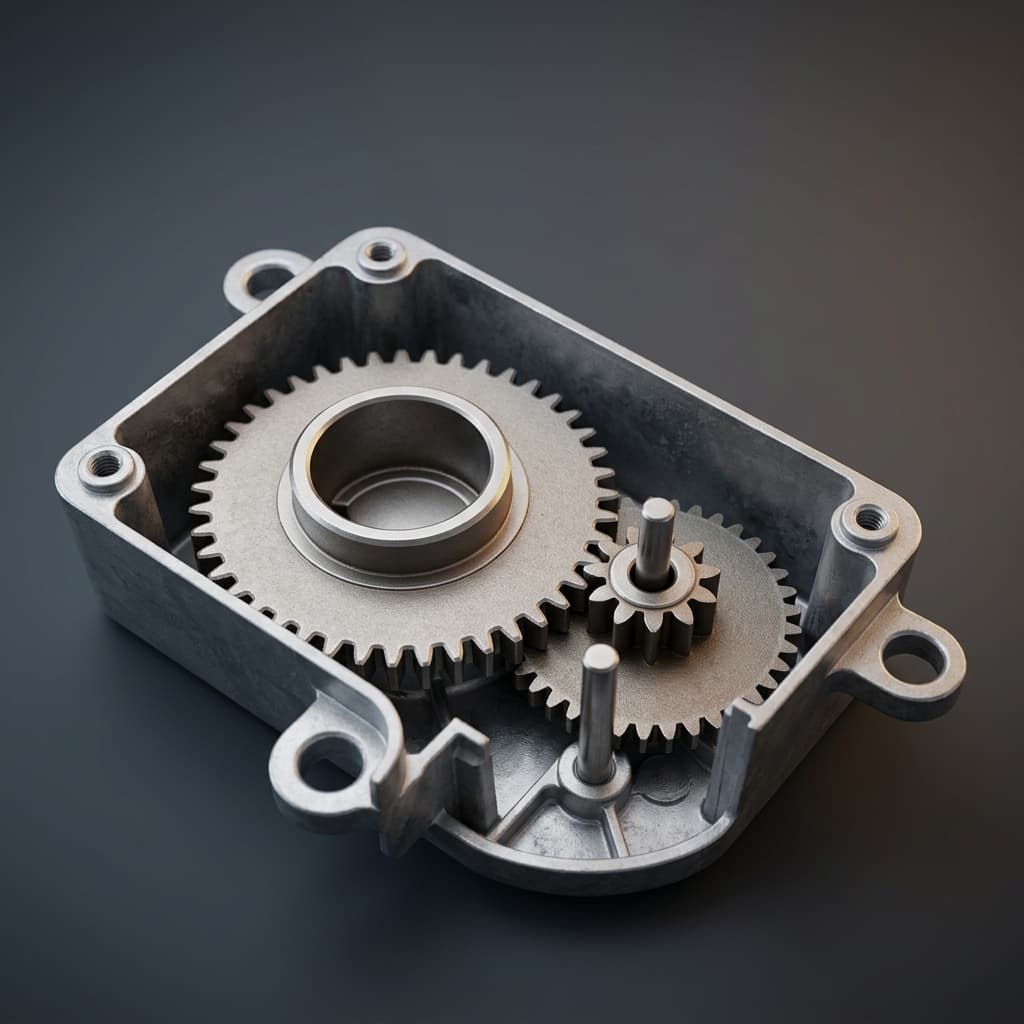
Axial flux drone motor core for UAV propulsion RFQ review
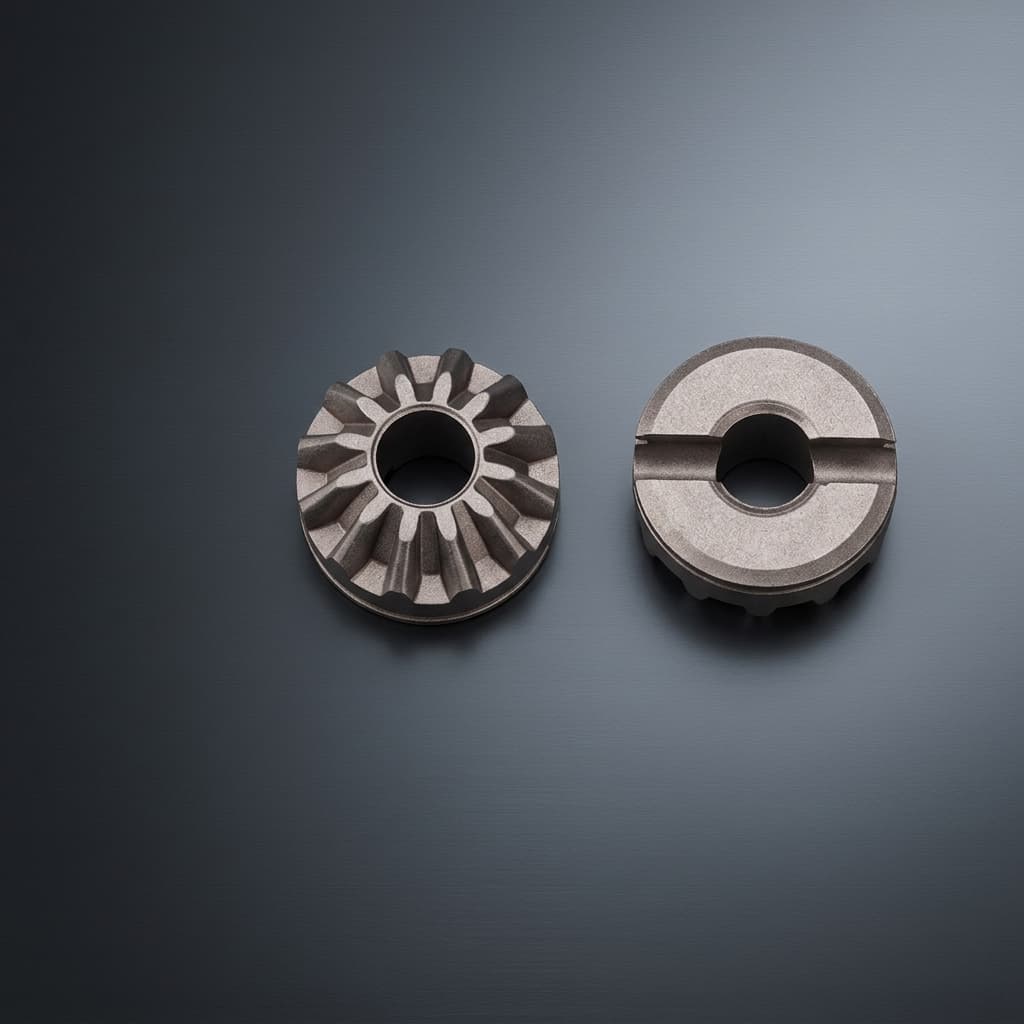
Lightweight SMC stator core for high-frequency drone motor efficiency review
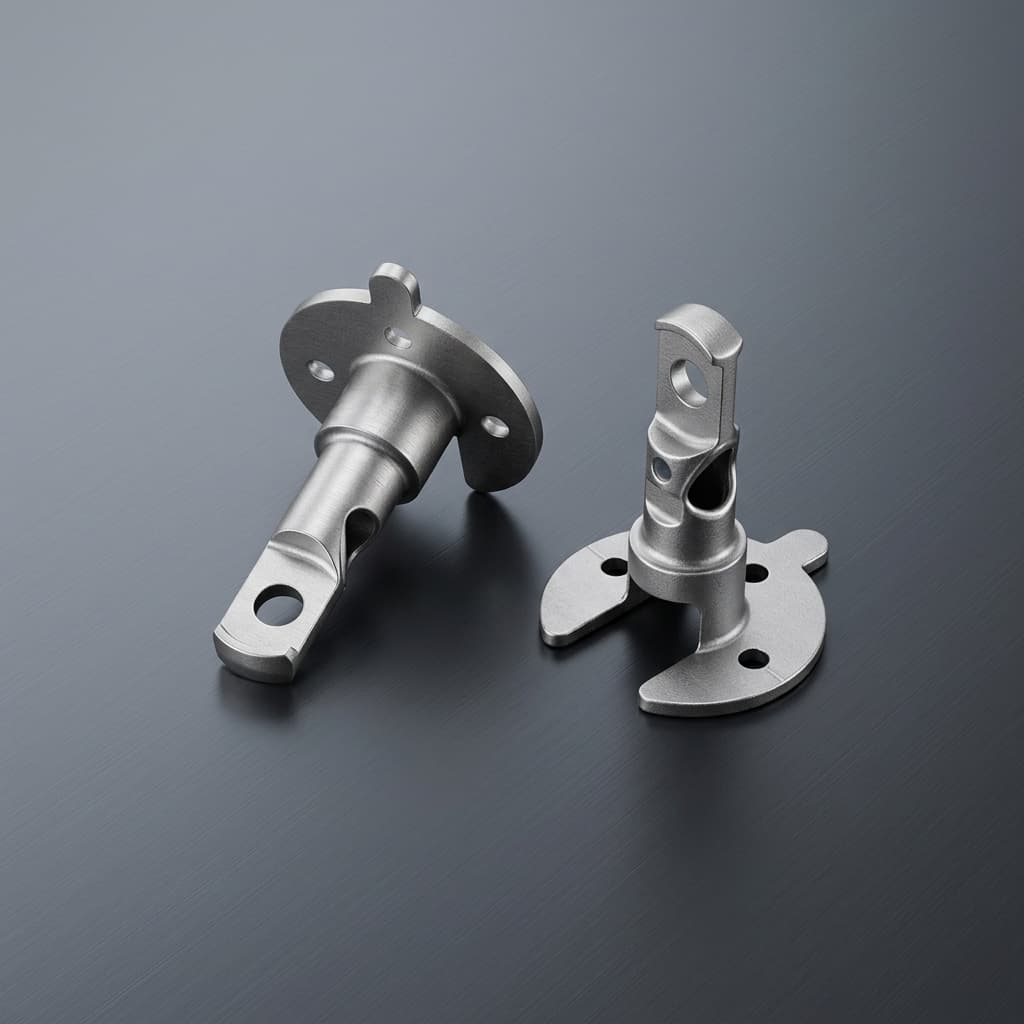
High power-density SMC axial flux core for compact drone propulsion packaging

Buyer FAQ

Do you supply complete drone motors or ready-to-fly propulsion units?

No. The page focuses on custom SMC magnetic core and stator component support for buyer-side axial flux drone motor platforms. Propeller, winding, ESC, inverter, controller, housing, airframe integration, and flight validation should be scoped separately.

Can you support low-volume drone motor R&D?

Yes. Prototype, bench-test, flight-test, and pilot quantities can be reviewed when the CAD, operating point, mass target, validation files, and documentation expectations are clear.

What should a UAV propulsion team send for a useful RFQ?

Send UAV class, motor topology, propeller class, power and speed targets, electrical frequency, duty cycle, CAD, revision ID, target mass, cooling method, coating need, validation evidence, and prototype or pilot quantity.

Can an axial flux drone motor core improve payload or endurance?

It can support a lighter propulsion package when the buyer mass boundary is defined, but flight time depends on the full motor, propeller, battery, airframe, and mission profile. The RFQ should compare against a known baseline.

How do you handle high-frequency loss for compact UAV motors?

Loss discussion should use the buyer speed, electrical frequency, flux density, waveform, temperature, cooling method, and sample condition. Generic material claims are not enough for propulsion thermal design.

Can vibration or prop-imbalance requirements be included in the review?

Yes, at the component evidence level. Define flatness, parallelism, rotor-stator clearance, mounting datum, retention, coating/insulation areas, and the buyer vibration or shock inputs before flight-test samples.

Can coating and corrosion protection be scoped for outdoor UAV use?

Yes. Coating material, exposed surfaces, masking, humidity or salt-fog expectation, insulation boundary, storage, handling, and export packaging can be reviewed before prototype or pilot release.

Related Resources

  • SMC material data hub
  • Manufacturing & quality controls
  • Axial Flux Motor Core
  • AFPM SMC Stator
  • SMC Stator Segments
  • Magnetic Loss Validation
  • Axial Flux Stator Prototyping
  • Technology & Materials
  • Manufacturing & Quality
  • eVTOL Axial Flux Cores
  • Contact / RFQ

Inquiry Email

[email protected]

Email app

Attach STEP/DXF/PDF plus frequency, flux density, sample quantity, annual forecast, and destination.

Instant Chat

+8618857971991

Chat on WhatsApp

Direct response from our engineering team.