WhatsApp
Axial Flux Core LogoAxial Flux Core
  • Home
  • Contact Us
Start inquiry
Axial Flux Core LogoAxial Flux Core

SMC axial flux motor core and AFPM stator OEM support for advanced electric drive teams.

Inquiry Email

[email protected]

Email app

Attach STEP/DXF/PDF plus frequency, flux density, sample quantity, annual forecast, and destination.

Instant Chat

+8618857971991

Chat on WhatsApp

Direct response from our engineering team.

Core Products
  • Product Portfolio
  • Axial Flux Motor Core
  • AFPM SMC Stator
  • SMC Stator Segments
  • YASA Segmented Stator Teeth
  • 3D Isotropic Flux Core
  • Lamination & Winding Services
  • Custom Compaction Tooling
Applications
  • Applications Overview
  • eVTOL Axial Flux Cores
  • Humanoid Joint Stators
  • Drone Propulsion Cores
  • EV Supercar AFPM Cores
  • Compact Generator Cores
Manufacturing & Quality
  • OEM Capability Hub
  • Technology & Materials
  • SMC Core Manufacturing
  • Manufacturing & Quality
  • Axial Flux Stator Prototyping
  • Compaction Tooling DFM
  • Magnetic Loss Validation
  • AFPM Manufacturing Route Tool
  • AFPM Core Design Checklist
  • AFPM Air Gap Design Tool
  • AFPM Cooling Design Tool
  • AFPM Cogging Torque Tool
Resources
  • Blog
  • About
  • Contact / RFQ
  • Engineering Resources
  • Privacy Policy
  • Cookie Policy
  • Terms of Service
© 2026 Axial Flux Core. All Rights Reserved.|Backed by Linkup Ai Co., Ltd. with axial flux core manufacturing support in Shenzhen and Dongguan, China.
Legal entity: Linkup Ai Co., Ltd.
← Back to OEM Capabilities

SMC Core Manufacturing

Manufacturing route support for custom SMC cores: material review, compaction DFM, thermal process planning, machining, coating, inspection, packaging, and prototype-to-pilot handoff.

Best Fit For:For engineering sourcing, supplier quality, and motor R&D teams that need a China-based SMC manufacturing partner rather than a catalog-only distributor.
Start manufacturing RFQReview material data
SMC axial flux core manufacturing and inspection facility

Manufacturing Demand

Manufacturing Buying Trigger

The manufacturing route should be reviewed before sourcing treats the part as a simple machined shape.

Demand Signal

An axial-flux or 3D-flux core cannot be purchased as a lamination stack or off-the-shelf pressed ring.

Buyer Pressure

Sourcing needs geometry, magnetic behavior, tooling risk, and process evidence evaluated together.

Page Response

The route is framed as material review, compaction DFM, thermal process, post-processing, inspection, and packaging instead of a shape-only quote.

Demand Signal

A prototype sample is moving toward pilot build and repeat-order supplier qualification.

Buyer Pressure

Engineering needs more than loose parts; supplier quality needs revision, lot, CTQ, and inspection records.

Page Response

The page defines release gates for drawing revision, process notes, first article checks, validation data, and shipment records.

Demand Signal

The core has fragile teeth, high-density targets, corrosion sensitivity, or international freight exposure.

Buyer Pressure

Late changes in compaction, coating, or packaging can create chipped parts, rust, or non-repeatable magnetic results.

Page Response

Risk controls require early review of demolding, green strength, post-process boundaries, anti-rust protection, and export packing.

Evidence Pack

Audit-Ready Proof Package

For OEM sourcing reviews, the useful proof is not a generic capability claim. It is a controlled set of files that a buyer can audit before NDA release, sample acceptance, pilot build, or repeat order.

Download templatesQuality controlsRequest evidence scope

Can the supplier control SMC powder route, compaction, heat treatment, machining, coating, and outgoing records as one process chain?

Evidence to Prepare

Material lot record, selected SMC route, press window notes, thermal cycle record, CTQ inspection file, and outgoing QC summary.

Acceptance Focus

Shows that the supplier owns the manufacturing route instead of only brokering a shape quote.

Can density, magnetic behavior, and dimensional repeatability be tied back to a drawing revision and batch record?

Evidence to Prepare

Revision ID, part IDs, density or weight checks, CMM or fixture measurements, B-H/core-loss scope, and batch traceability.

Acceptance Focus

Supports repeat orders and supplier-quality review after the first prototype lot.

Can export corrosion and packaging risk be closed before overseas shipment?

Evidence to Prepare

Coating or rust-prevention method, part separation plan, cushioning, desiccant or barrier packaging when needed, and shipment photo record.

Acceptance Focus

Reduces the buyer risk of receiving rusted, chipped, or mixed-revision samples after international freight.

Buyer CheckpointEvidence to PrepareAcceptance Focus
Can the supplier control SMC powder route, compaction, heat treatment, machining, coating, and outgoing records as one process chain?Material lot record, selected SMC route, press window notes, thermal cycle record, CTQ inspection file, and outgoing QC summary.Shows that the supplier owns the manufacturing route instead of only brokering a shape quote.
Can density, magnetic behavior, and dimensional repeatability be tied back to a drawing revision and batch record?Revision ID, part IDs, density or weight checks, CMM or fixture measurements, B-H/core-loss scope, and batch traceability.Supports repeat orders and supplier-quality review after the first prototype lot.
Can export corrosion and packaging risk be closed before overseas shipment?Coating or rust-prevention method, part separation plan, cushioning, desiccant or barrier packaging when needed, and shipment photo record.Reduces the buyer risk of receiving rusted, chipped, or mixed-revision samples after international freight.
Buyer Inputs That Unlock the Review
  • Core STEP file, 2D drawing, latest revision ID, datum scheme, and CTQ dimensions
  • Target application, frequency, flux density, temperature window, duty cycle, and operating environment
  • Material preference, density target, permeability or loss target, insulation requirement, and coating expectation if known
  • Critical visual risks such as thin teeth, sharp corners, fragile edges, machining stock, and contact surfaces
Release Boundary

Any released claim should be tied to the buyer drawing, sample ID, material batch, inspection method, and agreed test condition instead of a generic marketing statement.

Capability Highlights

  • SMC material route review tied to drawing revision, magnetic targets, and operating condition
  • Compaction DFM for press direction, draft, tooth corners, density distribution, demolding, and chipping risk
  • Thermal process, machining allowance, coating, corrosion prevention, and export packaging planned before sample release
  • First article, density or weight, insulation, magnetic validation scope, and outgoing QC records prepared by project need
  • Prototype-to-pilot handoff package for repeat orders, supplier-quality review, and revision-controlled sourcing

Typical Engagement Scope

  • AFPM stator cores
  • 3D flux cores
  • Segmented axial flux core parts
  • Special electromagnetic pole and yoke parts
  • Low-to-medium volume OEM sample-to-pilot programs

Execution Focus

  • Material route: SMC grade, powder insulation behavior, density, permeability, resistivity, and iron-loss targets
  • Compaction route: forming direction, draft, radii, green strength, ejection, local density balance, and chipped-corner risk
  • Thermal and post-process boundary: curing or annealing route, machining allowance, coating, corrosion protection, and cleaning method
  • Inspection scope: first article dimensions, datum plan, CTQ tolerances, density or weight, insulation, magnetic validation, and outgoing records
  • Program control: NDA boundary, buyer-owned revision ID, prototype-to-pilot decision gate, and repeat-order change control

Engineering Datasheet

Use this page as a manufacturing evidence map, not as a certified equipment or capacity claim. Exact press tonnage, furnace route, inspection method, certification status, and process window should be confirmed against project drawings, NDA scope, and supplier-quality review.

ParameterRFQ Planning RangeEngineering Note
Manufacturing route coverageMaterial review, compaction DFM, tooling route, thermal process, machining, coating, inspection, packagingKeeps sourcing focused on the whole SMC process chain instead of only a unit-price quote for a finished shape.
Compaction DFM inputsPress direction, draft, tooth width, radii, wall thickness, ejection, green strength, density targetThese inputs decide whether the part can be pressed repeatably before secondary machining or pilot volume is discussed.
Thermal / post-process boundaryCuring or annealing route, machining stock, coating, anti-rust method, cleaning, handling protectionThe accepted sample route should not be changed silently after buyer approval because magnetic and corrosion behavior may shift.
Inspection packageFAI dimensions, CTQ report, density or weight check, insulation test, optional magnetic report, visual/coating checkThe evidence package should match what engineering and supplier quality need for prototype approval and repeat-order release.
Traceability and shipment releaseDrawing revision, sample IDs, material lot, process notes, packaging photo record, export protection checklistUseful when parts are transferred from R&D samples to pilot procurement and international freight.

Process Notes

  • Review magnetic target and compaction feasibility together before quotation lock.
  • Freeze the drawing revision, datum plan, and CTQ list before first article measurement.
  • Document thermal route, machining, coating, and packaging assumptions when samples are approved.
  • Treat render images on public pages as visual references only; real project proof should come from controlled records and buyer-approved samples.

Validation Notes

  • A useful first lot can include dimensional report, density or weight check, visual/coating notes, and optional magnetic validation.
  • Insulation, Hi-pot, B-H, or core-loss testing should be scoped against buyer application requirements instead of promised generically.
  • Repeat orders should reference the accepted drawing revision, process notes, and shipment protection method.

Program Evaluation Matrix

Program MetricTypical RangeProcurement Value
Process coverageMaterial route, DFM, tooling, compaction, thermal process, post-process, inspection, packagingCustom SMC parts require process ownership beyond simple shape quotation.
Release evidenceFAI, CTQ report, density/weight check, visual/coating notes, optional insulation or magnetic dataEngineering and supplier quality can approve or revise the sample based on records, not assumptions.
Repeat-order controlRevision ID, sample IDs, material lot, process notes, shipment release recordPilot sourcing depends on knowing what changed between prototype, approval, and repeat production.

Validation

Validation Gates Before Pilot Release

Quality controls
GateEvidence to PrepareAcceptance Focus
Material route and DFM intakeDrawing revision, STEP file, material target, operating condition, CTQ list, and compaction risk notes.Confirms whether the requested SMC route and geometry can enter tooling or prototype quotation without hiding major feasibility risks.
Compaction and green-part controlForming direction, draft/radius review, fragile feature notes, density target, ejection risk, and inspection datum plan.Protects thin teeth, corners, and local density consistency before machining or coating adds cost.
Thermal, machining, coating, and packaging releaseThermal process plan, machining allowance, coating or rust-prevention method, handling protection, and export packaging checklist.Keeps the accepted sample route traceable so corrosion, chipping, and magnetic-shift risks are not discovered after shipment.
First article and pilot readinessFAI report, CTQ measurements, density/weight result, optional insulation or magnetic data, sample IDs, and batch record.Gives engineering and supplier quality enough evidence to approve samples, request revision, or move into pilot sourcing.

RFQ Inputs

RFQ Input Map

Send RFQ
InputWhy It MattersUseful Example
Drawing package and revision ownerSMC tooling and inspection decisions depend on the buyer-controlled geometry, datum plan, and latest revision.STEP + PDF drawing, Rev B, datum A/B/C, CTQs highlighted, buyer confirms NDA boundary for manufacturing review.
Operating condition and magnetic targetMaterial route and validation scope cannot be selected from shape alone.2 kHz electrical frequency, 0.8 T target flux density, 120 C winding-adjacent temperature, intermittent duty cycle.
Compaction and fragile-feature concernsSharp corners, thin teeth, and high-density targets may conflict with demolding, green strength, and repeatability.Minimum tooth width 2.5 mm, no visible edge chips on air-gap face, local density target to be reviewed before tool freeze.
Release evidence and shipment expectationSupplier-quality approval and overseas freight need agreed records, not only sample parts.FAI report, density check, optional magnetic test, coating note, anti-rust packaging photos, 20 prototype pieces by September 2026.

RFQ Preparation Checklist

  1. Core STEP file, 2D drawing, latest revision ID, datum scheme, and CTQ dimensions
  2. Target application, frequency, flux density, temperature window, duty cycle, and operating environment
  3. Material preference, density target, permeability or loss target, insulation requirement, and coating expectation if known
  4. Critical visual risks such as thin teeth, sharp corners, fragile edges, machining stock, and contact surfaces
  5. Prototype quantity, pilot quantity, target annual volume, sample release date, and required evidence package
  6. Export destination, packaging expectation, anti-rust requirement, and shipment acceptance notes

Risk and Mitigation

  • Material selection is separated from manufacturing feasibility: Review magnetic requirements and compaction constraints together before quotation lock.
  • Geometry is quoted before compaction direction and demolding risk are understood: Screen draft, radii, tooth width, green strength, and ejection direction before tooling assumptions are frozen.
  • The accepted sample route changes during thermal process, coating, or machining: Record the thermal/post-process boundary and require buyer review when the route changes after sample approval.
  • International shipment damages or corrodes SMC parts before buyer inspection: Define part separation, cushioning, anti-rust method, packaging photos, and export release checklist before dispatch.

Related Products

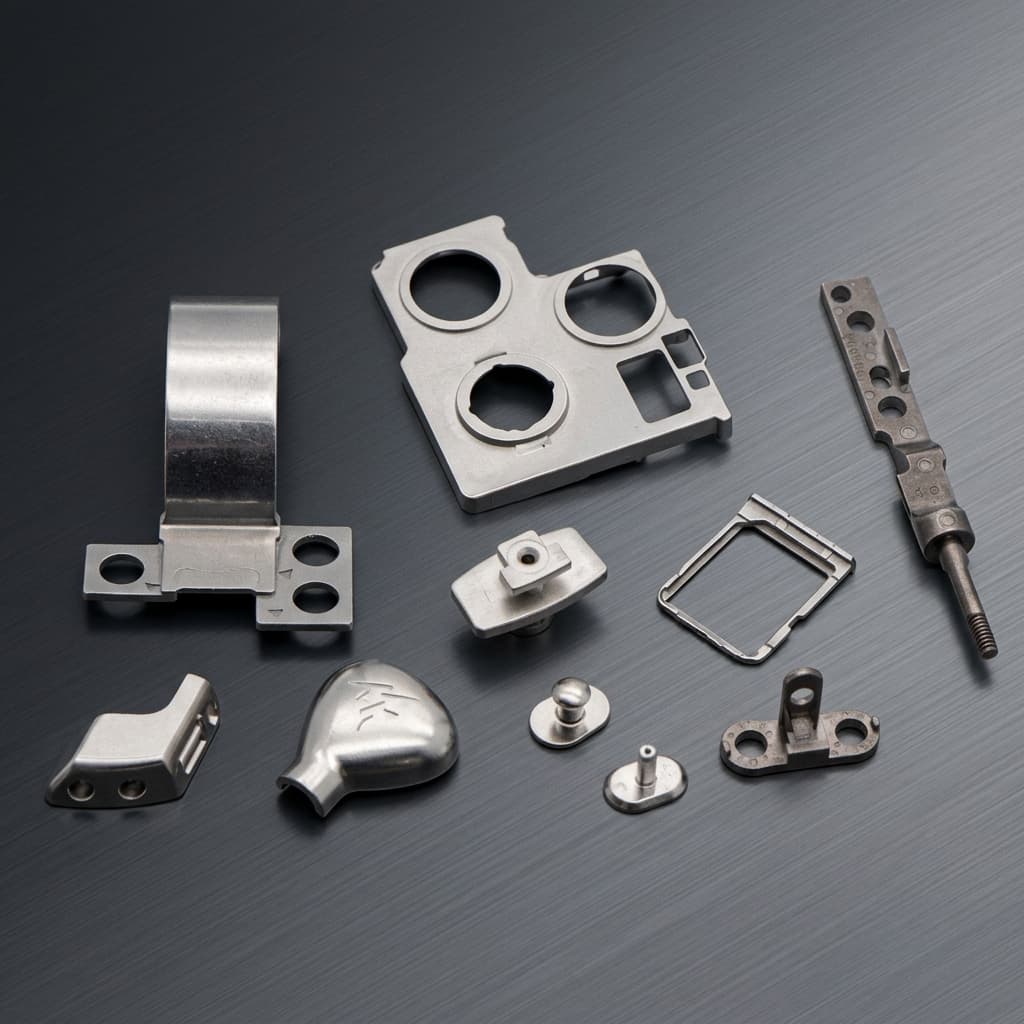
Precision SMC core manufacturing execution
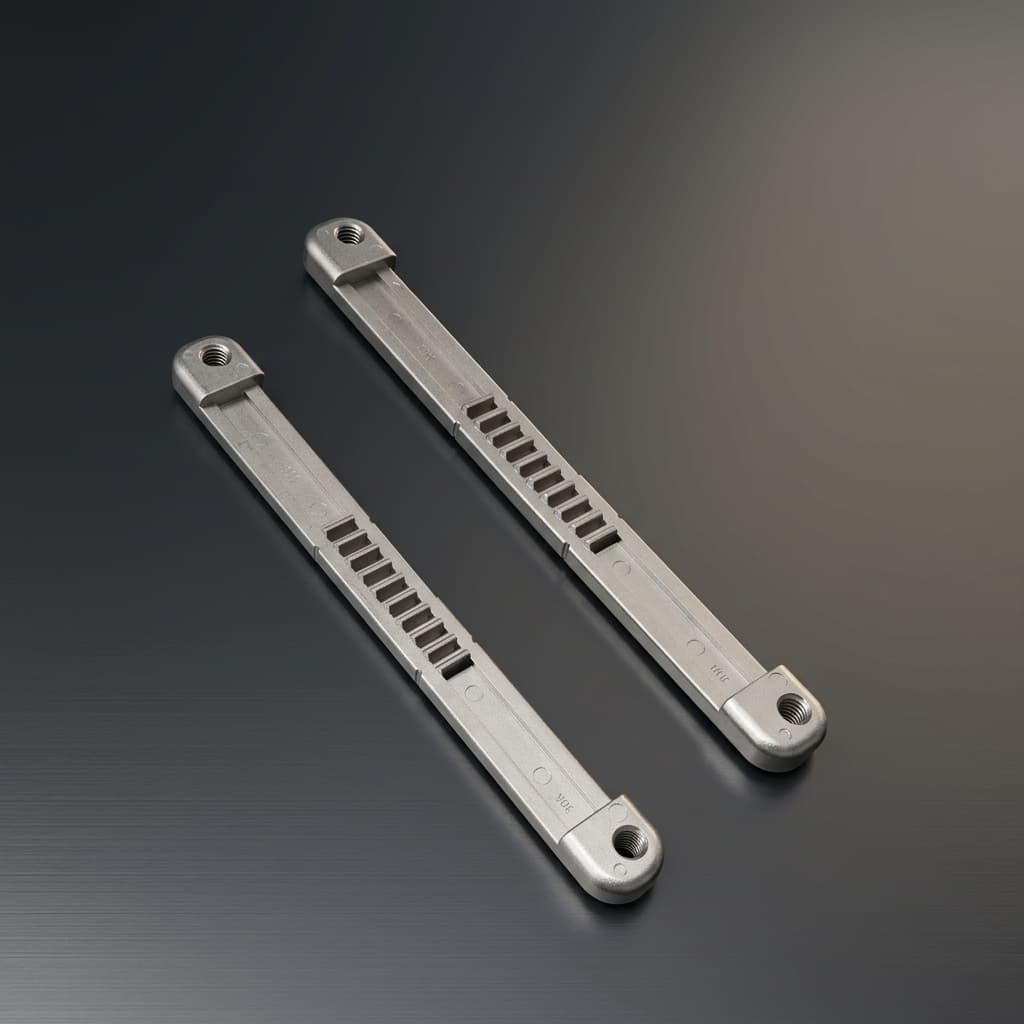
Net-shape manufacturing of SMC parts
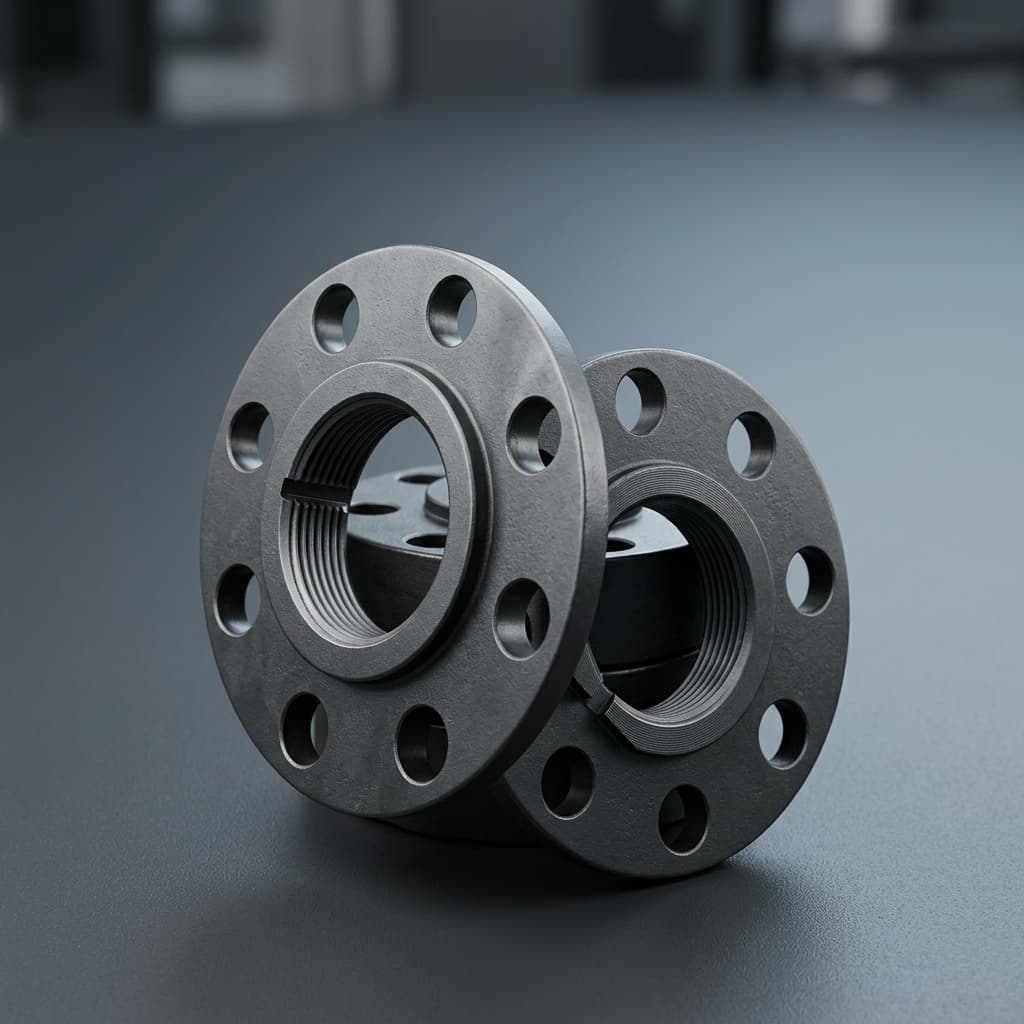
SMC powder metallurgy stator production

Buyer FAQ

Can you start with only a STEP file?

Yes, but a 2D drawing and operating condition make the RFQ more accurate and reduce revision loops.

Does this page guarantee a specific press tonnage, furnace route, or certification?

No. This public page defines the manufacturing evidence that should be reviewed. Exact equipment list, process window, capacity, certification status, and controlled records should be confirmed during project review or under NDA.

Can you quote before the final SMC material grade is fixed?

A preliminary route review is possible, but the final quote and validation scope should be locked after the operating condition, material target, density target, and inspection requirements are clear.

What should come with first SMC core samples?

A practical sample package can include drawing revision, sample IDs, route notes, first article dimensions, CTQ measurements, density or weight checks, visual/coating notes, optional magnetic data, and packaging release photos.

How is buyer-owned motor geometry protected?

The OEM scope should be manufacturing-only unless the buyer asks for broader engineering support. NDA status, revision ownership, access boundaries, and change logs should be agreed before detailed CAD review.

Related Resources

  • SMC material data hub
  • Manufacturing & quality controls
  • Axial Flux Motor Core
  • Manufacturing & Quality
  • Technology & Materials
  • First Article Inspection Checklist
  • Contact / RFQ

Inquiry Email

[email protected]

Email app

Attach STEP/DXF/PDF plus frequency, flux density, sample quantity, annual forecast, and destination.

Instant Chat

+8618857971991

Chat on WhatsApp

Direct response from our engineering team.