WhatsApp
Axial Flux Core LogoAxial Flux Core
  • Home
  • Contact Us
Start inquiry
Axial Flux Core LogoAxial Flux Core

SMC axial flux motor core and AFPM stator OEM support for advanced electric drive teams.

Inquiry Email

[email protected]

Email app

Attach STEP/DXF/PDF plus frequency, flux density, sample quantity, annual forecast, and destination.

Instant Chat

+8618857971991

Chat on WhatsApp

Direct response from our engineering team.

Core Products
  • Product Portfolio
  • Axial Flux Motor Core
  • AFPM SMC Stator
  • SMC Stator Segments
  • YASA Segmented Stator Teeth
  • 3D Isotropic Flux Core
  • Lamination & Winding Services
  • Custom Compaction Tooling
Applications
  • Applications Overview
  • eVTOL Axial Flux Cores
  • Humanoid Joint Stators
  • Drone Propulsion Cores
  • EV Supercar AFPM Cores
  • Compact Generator Cores
Manufacturing & Quality
  • OEM Capability Hub
  • Technology & Materials
  • SMC Core Manufacturing
  • Manufacturing & Quality
  • Axial Flux Stator Prototyping
  • Compaction Tooling DFM
  • Magnetic Loss Validation
  • AFPM Manufacturing Route Tool
  • AFPM Core Design Checklist
  • AFPM Air Gap Design Tool
  • AFPM Cooling Design Tool
  • AFPM Cogging Torque Tool
Resources
  • Blog
  • About
  • Contact / RFQ
  • Engineering Resources
  • Privacy Policy
  • Cookie Policy
  • Terms of Service
© 2026 Axial Flux Core. All Rights Reserved.|Backed by Linkup Ai Co., Ltd. with axial flux core manufacturing support in Shenzhen and Dongguan, China.
Legal entity: Linkup Ai Co., Ltd.
← Back to Solutions

Axial Flux EV Motor Cores for Supercars

Axial flux EV motor core and AFPM stator manufacturing support for supercar, hypercar, motorsport, and specialty traction programs needing high torque density, low axial height, thermal-loss evidence, and prototype-to-pilot consistency.

Target Buyer:For EV traction engineering, motorsport R&D, vehicle packaging, sourcing, and supplier-quality teams that already have a motor concept and need a manufacturable SMC core or AFPM stator package before dyno, vehicle-fit, or pilot-lot approval.
Start application RFQReview material data
High power AFPM EV stator thermal reference for supercar traction packages

Market Demand

Why This Application Buys Custom AFPM Cores

The sourcing path starts when a buyer's packaging, thermal, or validation problem cannot be solved by a catalog radial motor stack.

Signal

High-performance EV, hypercar, and motorsport programs use axial flux motors when torque density and short axial packaging create vehicle-level advantage.

Buyer Pressure

Vehicle teams need custom cores that can support low axial height, repeated acceleration, high temperature, high speed, oil or liquid cooling exposure, and tight retention requirements.

Page Response

The page connects core geometry to torque target, speed range, thermal limit, cooling route, mass boundary, and vehicle package constraints.

Signal

Specialty EV programs usually prove supplier parts through dyno, vehicle-fit, thermal, NVH, and sourcing approval stages.

Buyer Pressure

A prototype core must be more than dimensionally correct; it needs evidence that supports engineering and procurement sign-off.

Page Response

Validation gates call for dimensional reports, CTQ tables, density and mass data, magnetic loss conditions, coating notes, sample IDs, and revision IDs.

Signal

Confidential vehicle projects often need phased disclosure before detailed CAD can be shared.

Buyer Pressure

Buyers want supplier screening without exposing sensitive motor IP too early.

Page Response

RFQ inputs allow non-sensitive envelope screening first, then NDA-based drawing and milestone handling.

Signal

Automotive supplier teams often require traceability and repeatable pilot evidence before relying on a specialty magnetic component.

Buyer Pressure

Prototype samples must remain comparable to later pilot lots, especially when thermal, magnetic, coating, and dimensional data are used in sourcing decisions.

Page Response

Trust evidence asks for material batch, density, mass, CMM, magnetic, coating, packaging, deviation, and release records.

Signal

In-wheel and near-wheel AFPM concepts increase exposure to road vibration, corrosion, packaging shock, and tight brake or suspension interfaces.

Buyer Pressure

A core that works on a bench can still fail vehicle integration if air gap, retention, coating, and corrosion handling are not scoped.

Page Response

The page separates component-level road-load readiness evidence from buyer-owned wheel, suspension, housing, inverter, and vehicle validation.

Design Targets

Torque Density, Axial Package, and Validation Targets

Public target ranges are useful only when the buyer ties them to a baseline design, operating condition, and release evidence.

Axial flux EV motor package height

Planning Signal

The supercar value case usually starts when a short axial package frees chassis, gearbox, wheel, or e-axle space.

Evidence to Request

Available OD, ID, axial height, rotor-stator clearance, gearbox or wheel envelope, bearing stack, mounting datum, and buyer package baseline.

Torque density and active mass

Planning Signal

High torque density claims only help if the comparison states whether core, stator, active material, full motor, inverter, and cooling mass are included.

Evidence to Request

Continuous and peak torque, mass boundary, baseline radial or previous AFPM package, duty cycle, test method, temperature limit, and sample ID.

High-frequency core-loss condition

Planning Signal

EV traction AFPM cores can see high electrical frequency and thermal load during repeated acceleration or high-speed duty.

Evidence to Request

Speed range, pole count, frequency, flux density, waveform, temperature, cooling method, material route, magnetic report format, and acceptance threshold.

Thermal interface and insulation stability

Planning Signal

Supercar programs often combine compact packaging with oil or liquid cooling, high temperature, and tight insulation risk.

Evidence to Request

Coolant or oil exposure, thermal interface, coating map, coating thickness window, Hi-pot scope, temperature limit, potting or bonding boundary, and handling notes.

NVH, torque ripple, and air-gap repeatability

Planning Signal

Flat axial geometry and repeatable air-gap datum help the buyer connect core manufacturing to quiet traction behavior.

Evidence to Request

Flatness, parallelism, tooth height, air-gap faces, rotor clearance, CMM or 3D scan plan, fixture method, assembly datum, and buyer NVH or torque-ripple limits.

Prototype-to-pilot batch consistency

Planning Signal

A dyno sample only matters if the pilot batch can be traced to the same drawing, material route, inspection plan, and release evidence.

Evidence to Request

Revision history, material batch, density and mass records, magnetic report condition, coating or insulation records, sample IDs, inspection sampling plan, deviation list, and packaging record.

TargetPlanning SignalEvidence to Request
Axial flux EV motor package heightThe supercar value case usually starts when a short axial package frees chassis, gearbox, wheel, or e-axle space.Available OD, ID, axial height, rotor-stator clearance, gearbox or wheel envelope, bearing stack, mounting datum, and buyer package baseline.
Torque density and active massHigh torque density claims only help if the comparison states whether core, stator, active material, full motor, inverter, and cooling mass are included.Continuous and peak torque, mass boundary, baseline radial or previous AFPM package, duty cycle, test method, temperature limit, and sample ID.
High-frequency core-loss conditionEV traction AFPM cores can see high electrical frequency and thermal load during repeated acceleration or high-speed duty.Speed range, pole count, frequency, flux density, waveform, temperature, cooling method, material route, magnetic report format, and acceptance threshold.
Thermal interface and insulation stabilitySupercar programs often combine compact packaging with oil or liquid cooling, high temperature, and tight insulation risk.Coolant or oil exposure, thermal interface, coating map, coating thickness window, Hi-pot scope, temperature limit, potting or bonding boundary, and handling notes.
NVH, torque ripple, and air-gap repeatabilityFlat axial geometry and repeatable air-gap datum help the buyer connect core manufacturing to quiet traction behavior.Flatness, parallelism, tooth height, air-gap faces, rotor clearance, CMM or 3D scan plan, fixture method, assembly datum, and buyer NVH or torque-ripple limits.
Prototype-to-pilot batch consistencyA dyno sample only matters if the pilot batch can be traced to the same drawing, material route, inspection plan, and release evidence.Revision history, material batch, density and mass records, magnetic report condition, coating or insulation records, sample IDs, inspection sampling plan, deviation list, and packaging record.

Solution Highlights

  • Component RFQ support for axial flux EV motor cores, SMC stators, and AFPM traction package concepts
  • High torque-density planning tied to vehicle envelope, active-material mass boundary, and buyer baseline definition
  • Thermal and high-frequency core-loss evidence scoped by speed, flux density, waveform, cooling route, and temperature
  • Low axial-height support for supercar e-axles, in-wheel concepts, gearbox interfaces, and chassis packaging studies
  • Prototype, dyno, vehicle-fit, and pilot-lot evidence planning for confidential EV and motorsport programs
  • Supplier-quality documentation route for traceability, dimensional inspection, coating, insulation, and repeatable batch release

Common Use Cases

  • Electric supercars and hypercars
  • Motorsport EV traction drives
  • High-performance e-axles
  • In-wheel or near-wheel motor studies
  • Specialty EV prototypes
  • Lightweight integrated traction modules

Application Fit

Buyer Decision Map

Map the application constraint to the engineering response before the project becomes a tooling quote.

Supercar traction packaging

Can the core help fit high torque inside a short axial package for a supercar, hypercar, e-axle, or motorsport architecture?

Review axial stack, OD, ID, rotor clearance, gearbox or wheel envelope, bearing stack, cooling path, retention, air gap, and mounting interfaces against the full vehicle package.

High-temperature loss control

Will iron loss, insulation, and coating behavior remain acceptable at the buyer traction speed, frequency, flux density, cooling, and temperature?

Tie material route, density target, coating, validation point, and report request to speed, electrical frequency, flux density, waveform, oil or liquid exposure, and sample temperature.

Active mass and kW/kg boundary

Can high power-density claims be compared without mixing core mass, stator mass, motor mass, inverter mass, and cooling mass?

Define the comparison boundary before using kW/kg, Nm/kg, or weight-reduction targets; connect every claim to a buyer baseline and test condition.

Road-load durability and NVH

Will a thin high-torque AFPM core stay repeatable under road vibration, thermal cycling, and traction NVH constraints?

Scope flatness, parallelism, air-gap datum, tooth consistency, retention, coating, corrosion, thermal cycling, vibration inputs, and buyer-owned NVH validation boundaries.

Prototype to pilot transfer

Can the sample package support sourcing approval for a confidential vehicle program?

Prepare revision control, inspection records, density and mass records, magnetic report condition, coating or Hi-pot notes, optional PPAP-style discussion, traceability, and packaging expectations early.

Integration Boundaries

Scope Boundaries Before Prototype Release

Separate component manufacturing support from the buyer-owned actuator, propulsion, vehicle, or control-system design.

Interface Area

Component core versus complete EV traction motor

Buyer Question

Is the supplier quoting a magnetic core/stator component or a complete traction motor?

Release Boundary

Keep the public scope on SMC core and AFPM stator manufacturing support. Rotor, magnets, windings, inverter, gearbox, housing, controls, dyno validation, and vehicle certification remain buyer-owned unless separately quoted.

Interface Area

Vehicle packaging versus manufacturable core geometry

Buyer Question

Can the part fit the wheel, axle, gearbox, chassis, and rotor-stator stack without becoming impossible to press or inspect?

Release Boundary

Screen OD, ID, axial height, tooth features, corner radius, wall thickness, ejection, datum access, inspection access, and assembly clearance before tool freeze.

Interface Area

Thermal and oil exposure versus coating and insulation

Buyer Question

Can the supplied core survive the buyer cooling environment and temperature expectation?

Release Boundary

Quote pressed core, coating, Hi-pot, bonding, potting exposure, oil or coolant compatibility review, and packaging as separate scope items with buyer operating conditions attached.

Interface Area

Supplier evidence versus automotive release approval

Buyer Question

Does a sample report prove automotive qualification?

Release Boundary

Supplier evidence can support APQP, PPAP-style, FAI, CMM, magnetic, coating, traceability, and pilot-lot review, but final vehicle or Tier 1 approval belongs to the buyer program.

Interface Area

Confidential motor IP and early RFQ screening

Buyer Question

Can the vehicle team get manufacturability feedback before exposing sensitive motor CAD?

Release Boundary

Use a non-sensitive envelope, topology, target operating point, and milestone first, then move detailed STEP/DXF/PDF files under the buyer NDA workflow.

Implementation Focus

  • Traction duty cycle: launch, repeated acceleration, regen, sustained high speed, thermal soak, and dyno-to-vehicle transfer
  • Torque density and active-material mass boundary: core-only mass, stator mass, motor mass, inverter and cooling hardware should be separated
  • Thermal path and high-frequency loss: speed, pole count, electrical frequency, flux density, waveform, oil or liquid exposure, and temperature limit
  • Low axial package: OD, ID, axial height, air gap, rotor clearance, bearing stack, gearbox, half-shaft, wheel, and chassis interface
  • SMC manufacturability: compaction direction, local density, tooth/root strength, coating area, ejection, machining, and inspection access
  • NVH and torque-ripple support boundaries: flatness, parallelism, air-gap datum, tooth consistency, assembly repeatability, and buyer-owned control strategy
  • Prototype-to-pilot release: drawing revision, material batch, sample IDs, dimensional records, density/mass records, magnetic reports, coating or Hi-pot notes, and packaging records

Application Evaluation Matrix

Torque-density support

Typical Range

Nm/kg or Nm/L only with buyer-defined core, stator, motor, inverter, cooling, and baseline mass boundary

Buyer Relevance

Axial flux traction projects are usually justified by compact packaging and high torque density, but the comparison is meaningless without a mass and volume boundary.

Axial package height

Typical Range

OD, ID, axial stack, wheel/axle/gearbox envelope, and rotor clearance by buyer drawing

Buyer Relevance

Supercar and motorsport programs choose AFPM layouts when short axial length creates chassis or e-axle advantage.

Core-loss operating point

Typical Range

Speed, electrical frequency, flux density, waveform, temperature, and cooling specific

Buyer Relevance

High-speed EV traction thermal behavior depends on the exact operating point, not a generic material statement.

Thermal and coating boundary

Typical Range

Oil/liquid exposure, coating map, insulation target, Hi-pot scope, potting/bonding boundary, and temperature limit by project

Buyer Relevance

Compact traction machines leave little margin for insulation failure, corrosion, or uncontrolled heat transfer.

Air-gap and NVH readiness

Typical Range

Flatness, parallelism, tooth height, datum transfer, rotor clearance, and assembly fixture method by buyer CTQ plan

Buyer Relevance

Torque ripple, rubbing, and acoustic behavior can be driven by small axial geometry errors in a thin AFPM stack.

Pilot-lot repeatability evidence

Typical Range

Revision, batch, density, mass, CMM, magnetic, coating, packaging, and deviation records

Buyer Relevance

A confidential EV prototype needs an evidence chain that survives handoff from dyno samples to sourcing approval.

Evaluation MetricTypical RangeBuyer Relevance
Torque-density supportNm/kg or Nm/L only with buyer-defined core, stator, motor, inverter, cooling, and baseline mass boundaryAxial flux traction projects are usually justified by compact packaging and high torque density, but the comparison is meaningless without a mass and volume boundary.
Axial package heightOD, ID, axial stack, wheel/axle/gearbox envelope, and rotor clearance by buyer drawingSupercar and motorsport programs choose AFPM layouts when short axial length creates chassis or e-axle advantage.
Core-loss operating pointSpeed, electrical frequency, flux density, waveform, temperature, and cooling specificHigh-speed EV traction thermal behavior depends on the exact operating point, not a generic material statement.
Thermal and coating boundaryOil/liquid exposure, coating map, insulation target, Hi-pot scope, potting/bonding boundary, and temperature limit by projectCompact traction machines leave little margin for insulation failure, corrosion, or uncontrolled heat transfer.
Air-gap and NVH readinessFlatness, parallelism, tooth height, datum transfer, rotor clearance, and assembly fixture method by buyer CTQ planTorque ripple, rubbing, and acoustic behavior can be driven by small axial geometry errors in a thin AFPM stack.
Pilot-lot repeatability evidenceRevision, batch, density, mass, CMM, magnetic, coating, packaging, and deviation recordsA confidential EV prototype needs an evidence chain that survives handoff from dyno samples to sourcing approval.

Validation

Validation Plan Before Tooling

Quality controls

Vehicle package review

Evidence to Prepare

Motor envelope, target axle or wheel location, OD, ID, axial height, continuous and peak torque, speed range, cooling method, axial stack, air gap, bearing stack, gearbox or wheel envelope, and retention assumptions.

Acceptance Focus

Confirms whether the AFPM core route solves a real vehicle packaging constraint.

Thermal and magnetic loss review

Evidence to Prepare

Material route, density target, B-H or core-loss condition, electrical frequency, flux density, waveform, temperature, cooling method, coating area, and insulation or Hi-pot scope.

Acceptance Focus

Prevents generic high-performance material language from replacing operating-point evidence.

Dyno sample support

Evidence to Prepare

Dimensional report, CTQ table, material and density data, core mass, magnetic loss condition, coating/insulation notes, sample revision ID, and buyer dyno test context.

Acceptance Focus

Links supplier samples to dyno, thermal, NVH, and fit validation instead of generic part approval.

Vehicle-fit and road-load readiness

Evidence to Prepare

Rotor-stator clearance, mounting datum, flatness, parallelism, retention, coating, corrosion exposure, thermal cycling or vibration inputs, packaging, and handling notes.

Acceptance Focus

Connects loose-part inspection to the installation environment before vehicle mule or track testing.

Sourcing handoff

Evidence to Prepare

Pilot quantity plan, annual forecast, inspection plan, traceability expectation, APQP or PPAP-style discussion, packaging record, and buyer approval workflow.

Acceptance Focus

Prepares the move from prototype validation to repeatable specialty EV supply.

GateEvidence to PrepareAcceptance Focus
Vehicle package reviewMotor envelope, target axle or wheel location, OD, ID, axial height, continuous and peak torque, speed range, cooling method, axial stack, air gap, bearing stack, gearbox or wheel envelope, and retention assumptions.Confirms whether the AFPM core route solves a real vehicle packaging constraint.
Thermal and magnetic loss reviewMaterial route, density target, B-H or core-loss condition, electrical frequency, flux density, waveform, temperature, cooling method, coating area, and insulation or Hi-pot scope.Prevents generic high-performance material language from replacing operating-point evidence.
Dyno sample supportDimensional report, CTQ table, material and density data, core mass, magnetic loss condition, coating/insulation notes, sample revision ID, and buyer dyno test context.Links supplier samples to dyno, thermal, NVH, and fit validation instead of generic part approval.
Vehicle-fit and road-load readinessRotor-stator clearance, mounting datum, flatness, parallelism, retention, coating, corrosion exposure, thermal cycling or vibration inputs, packaging, and handling notes.Connects loose-part inspection to the installation environment before vehicle mule or track testing.
Sourcing handoffPilot quantity plan, annual forecast, inspection plan, traceability expectation, APQP or PPAP-style discussion, packaging record, and buyer approval workflow.Prepares the move from prototype validation to repeatable specialty EV supply.

Evidence Pack

Audit-Ready Proof Package

For application programs, the strongest proof is a document-led package that connects the operating point, core geometry, validation condition, and supplier release files.

Download templatesQuality controlsRequest evidence scope

Can the axial flux EV motor core target be connected to a real vehicle packaging problem?

Evidence to Prepare

Vehicle package envelope, axle or wheel location, OD/ID/height table, gearbox or wheel interface, bearing stack, rotor clearance, mounting datum, and baseline motor package.

Acceptance Focus

Prevents a high-density core concept from becoming a part that cannot fit the supercar e-axle, wheel, gearbox, or chassis space that justified axial flux in the first place.

Can torque density, kW/kg, Nm/kg, and weight-reduction claims be audited against a defined mass boundary?

Evidence to Prepare

Core mass, stator mass, active-material mass, motor mass definition, inverter/cooling boundary, baseline package, torque test method, duty cycle, thermal limit, and sample ID.

Acceptance Focus

Lets engineering and sourcing compare axial flux EV motor claims without mixing component and full-system numbers.

Can high-temperature loss and insulation behavior be tied to the buyer operating point?

Evidence to Prepare

Speed range, electrical frequency, flux density, waveform, temperature, cooling method, oil or coolant exposure, material grade, coating map, Hi-pot scope, and magnetic report format.

Acceptance Focus

Turns high-power EV traction language into evidence that thermal, inverter, and motor teams can review before dyno samples.

Can road-load, NVH, and air-gap repeatability risks be reviewed before vehicle-fit samples?

Evidence to Prepare

Flatness, parallelism, tooth-height checks, air-gap datum, rotor clearance, mounting fixture, retention note, coating areas, corrosion exposure, thermal cycling or vibration inputs, and buyer NVH boundary.

Acceptance Focus

Reduces the chance that a precision loose part passes inspection but creates torque ripple, noise, rubbing, or retention problems in the traction assembly.

Can prototype, dyno, vehicle-fit, and pilot-lot samples remain traceable?

Evidence to Prepare

Drawing revision, material batch, density and mass records, CMM or 3D scan files, magnetic reports, coating or Hi-pot notes, sample IDs, packaging record, deviation list, and buyer approval workflow.

Acceptance Focus

Supports confidential vehicle program handoff from R&D to sourcing without losing the evidence chain that made the sample acceptable.

Buyer CheckpointEvidence to PrepareAcceptance Focus
Can the axial flux EV motor core target be connected to a real vehicle packaging problem?Vehicle package envelope, axle or wheel location, OD/ID/height table, gearbox or wheel interface, bearing stack, rotor clearance, mounting datum, and baseline motor package.Prevents a high-density core concept from becoming a part that cannot fit the supercar e-axle, wheel, gearbox, or chassis space that justified axial flux in the first place.
Can torque density, kW/kg, Nm/kg, and weight-reduction claims be audited against a defined mass boundary?Core mass, stator mass, active-material mass, motor mass definition, inverter/cooling boundary, baseline package, torque test method, duty cycle, thermal limit, and sample ID.Lets engineering and sourcing compare axial flux EV motor claims without mixing component and full-system numbers.
Can high-temperature loss and insulation behavior be tied to the buyer operating point?Speed range, electrical frequency, flux density, waveform, temperature, cooling method, oil or coolant exposure, material grade, coating map, Hi-pot scope, and magnetic report format.Turns high-power EV traction language into evidence that thermal, inverter, and motor teams can review before dyno samples.
Can road-load, NVH, and air-gap repeatability risks be reviewed before vehicle-fit samples?Flatness, parallelism, tooth-height checks, air-gap datum, rotor clearance, mounting fixture, retention note, coating areas, corrosion exposure, thermal cycling or vibration inputs, and buyer NVH boundary.Reduces the chance that a precision loose part passes inspection but creates torque ripple, noise, rubbing, or retention problems in the traction assembly.
Can prototype, dyno, vehicle-fit, and pilot-lot samples remain traceable?Drawing revision, material batch, density and mass records, CMM or 3D scan files, magnetic reports, coating or Hi-pot notes, sample IDs, packaging record, deviation list, and buyer approval workflow.Supports confidential vehicle program handoff from R&D to sourcing without losing the evidence chain that made the sample acceptable.
Buyer Inputs That Unlock the Review
  • Motor topology, vehicle program type, NDA status, target axle or wheel location, and non-sensitive envelope for early screening
  • Continuous torque, peak torque, launch or boost duration, max speed, electrical frequency, flux density, waveform, and duty cycle
  • Cooling route, coolant or oil exposure, thermal limit, temperature measurement point, and insulation or coating boundary
  • Core CAD, drawing revision, OD, ID, axial height, slot or tooth count, air-gap faces, datum scheme, and CTQ tolerances
Release Boundary

Any released claim should be tied to the buyer drawing, sample ID, material batch, inspection method, and agreed test condition instead of a generic marketing statement.

RFQ Inputs

RFQ Signals for This Application

Send RFQ

Torque, speed, and thermal target

Why It Matters

AFPM traction value depends on compact torque delivery without thermal-loss surprises.

Useful Example

Continuous torque, peak torque, launch or boost duration, max speed, electrical frequency, flux density, waveform, coolant or oil exposure, and temperature limit.

Vehicle packaging constraints

Why It Matters

Axial flux projects are usually justified by tight space between wheels, gearbox, chassis, or rotor interfaces.

Useful Example

Available OD, ID, axial stack height, wheel or axle location, gearbox or chassis interfaces, mounting features, air-gap sensitivity, and retention requirements.

Mass and power-density comparison boundary

Why It Matters

Supercar teams may discuss kW/kg or Nm/kg targets, but the number changes depending on whether the comparison includes core, stator, rotor, motor, inverter, coolant, or housing mass.

Useful Example

Core mass, stator mass, active material mass, full motor mass, inverter/cooling exclusion, baseline package, torque test condition, and sample ID.

Inspection and supplier-quality evidence

Why It Matters

A traction program needs records that engineering, sourcing, and supplier quality can all review before pilot sourcing.

Useful Example

FAI, CMM or 3D scan, CTQ dimensions, density/mass records, magnetic report, coating or Hi-pot note, material batch, traceability, deviation list, and packaging record.

Program milestone and confidentiality route

Why It Matters

Motorsport and supercar teams often need NDA handling and phased sample approval.

Useful Example

NDA status, non-sensitive envelope, prototype quantity, dyno schedule, vehicle-fit milestone, pilot quantity, annual forecast, and buyer release workflow.

InputWhy It MattersUseful Example
Torque, speed, and thermal targetAFPM traction value depends on compact torque delivery without thermal-loss surprises.Continuous torque, peak torque, launch or boost duration, max speed, electrical frequency, flux density, waveform, coolant or oil exposure, and temperature limit.
Vehicle packaging constraintsAxial flux projects are usually justified by tight space between wheels, gearbox, chassis, or rotor interfaces.Available OD, ID, axial stack height, wheel or axle location, gearbox or chassis interfaces, mounting features, air-gap sensitivity, and retention requirements.
Mass and power-density comparison boundarySupercar teams may discuss kW/kg or Nm/kg targets, but the number changes depending on whether the comparison includes core, stator, rotor, motor, inverter, coolant, or housing mass.Core mass, stator mass, active material mass, full motor mass, inverter/cooling exclusion, baseline package, torque test condition, and sample ID.
Inspection and supplier-quality evidenceA traction program needs records that engineering, sourcing, and supplier quality can all review before pilot sourcing.FAI, CMM or 3D scan, CTQ dimensions, density/mass records, magnetic report, coating or Hi-pot note, material batch, traceability, deviation list, and packaging record.
Program milestone and confidentiality routeMotorsport and supercar teams often need NDA handling and phased sample approval.NDA status, non-sensitive envelope, prototype quantity, dyno schedule, vehicle-fit milestone, pilot quantity, annual forecast, and buyer release workflow.

RFQ Preparation Checklist

  1. Motor topology, vehicle program type, NDA status, target axle or wheel location, and non-sensitive envelope for early screening
  2. Continuous torque, peak torque, launch or boost duration, max speed, electrical frequency, flux density, waveform, and duty cycle
  3. Cooling route, coolant or oil exposure, thermal limit, temperature measurement point, and insulation or coating boundary
  4. Core CAD, drawing revision, OD, ID, axial height, slot or tooth count, air-gap faces, datum scheme, and CTQ tolerances
  5. Target material route, density or mass target, B-H or core-loss condition, coating area, Hi-pot need, and allowed substitutions
  6. Vehicle packaging constraints around gearbox, differential, wheel, hub, brake, suspension, chassis, and rotor/stator retention
  7. Prototype quantity, dyno schedule, vehicle-fit milestone, pilot quantity, annual forecast, inspection reports, and release workflow
  8. Confidentiality, export destination, packaging, corrosion protection, PPAP-style or buyer supplier-quality documentation expectations

Risk and Mitigation

  • Prototype core passes fit check but fails thermal-loss reality: Tie sample validation to the actual speed, electrical frequency, flux density, waveform, temperature, cooling, current, and duty cycle of the drive program.
  • Power-density claims mix component and system mass: Define whether the number includes core, stator, rotor, winding, magnets, housing, inverter, coolant, and gearbox before using kW/kg, Nm/kg, or weight-reduction language.
  • Vehicle package is screened too late: Review wheel, axle, gearbox, chassis, bearing stack, rotor clearance, air gap, and mounting datum before core geometry or tooling is frozen.
  • Road vibration or thermal cycling exposes retention and coating issues: Scope flatness, parallelism, retention, coating, corrosion, thermal cycling, vibration inputs, packaging, and handling notes before vehicle-fit samples.
  • Automotive release claims exceed the supplier evidence: Describe APQP, PPAP-style, FAI, CMM, magnetic, coating, traceability, and pilot-lot support as evidence preparation, not as final vehicle qualification.
  • Confidential program details are requested before supplier screening: Allow early screening with topology, target operating point, envelope, milestone, and non-sensitive CTQs, then move detailed CAD under the buyer NDA workflow.

Visual References for This Application

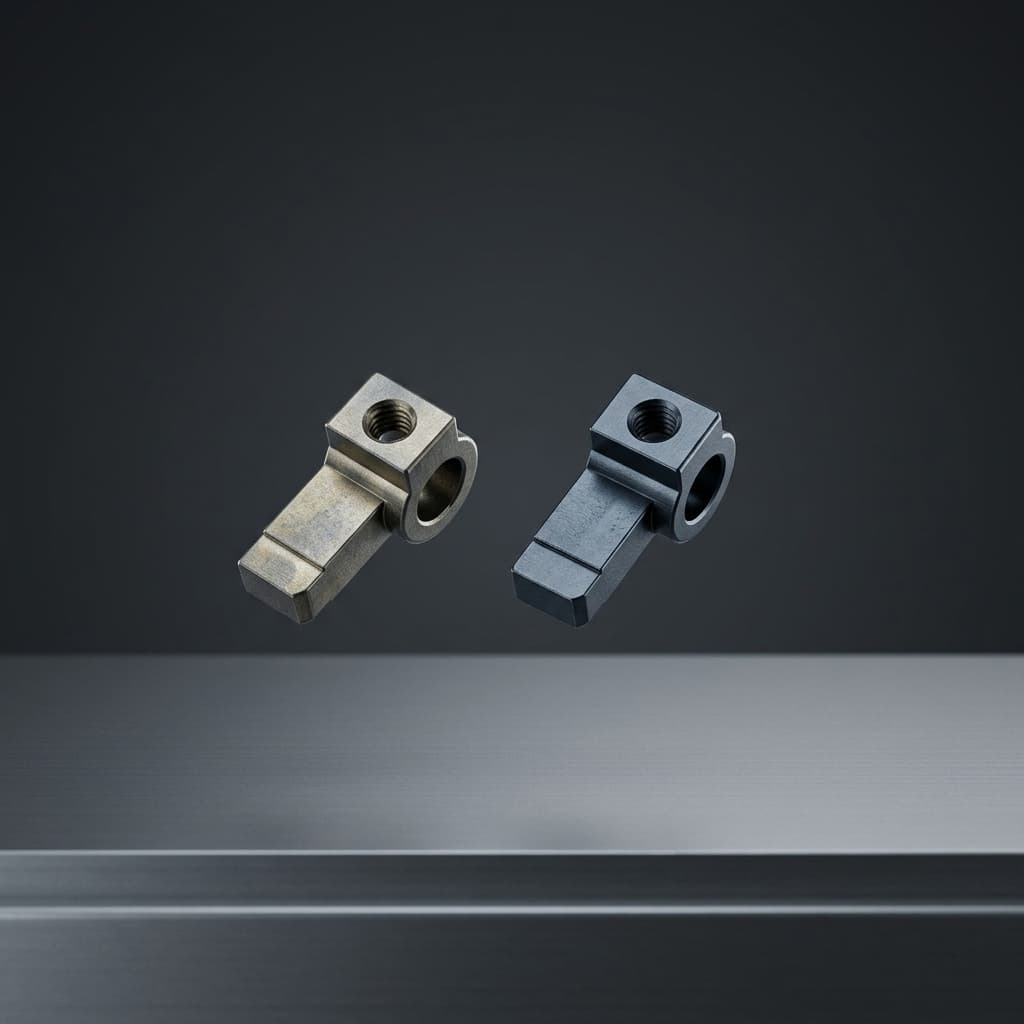
Axial flux EV motor core reference for supercar traction RFQ review
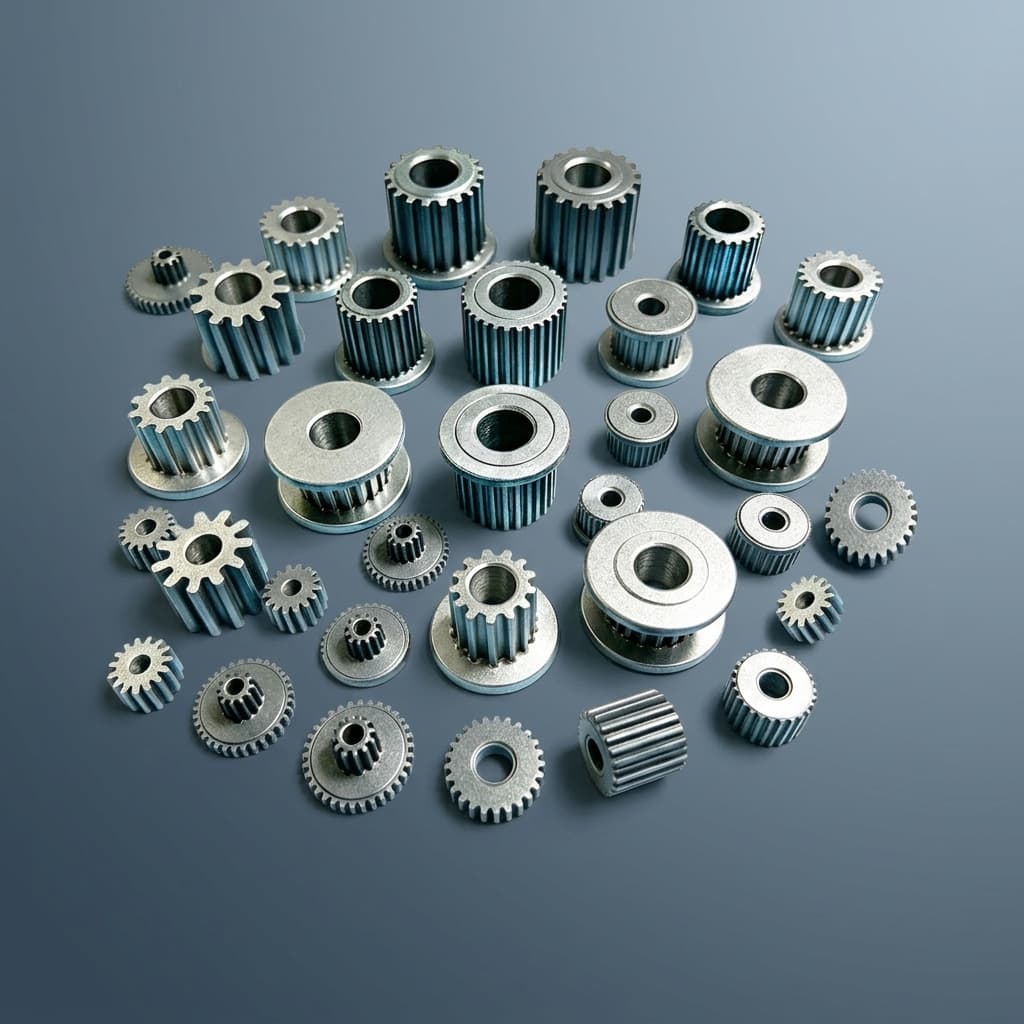
SMC EV motor core reference for high torque-density traction programs
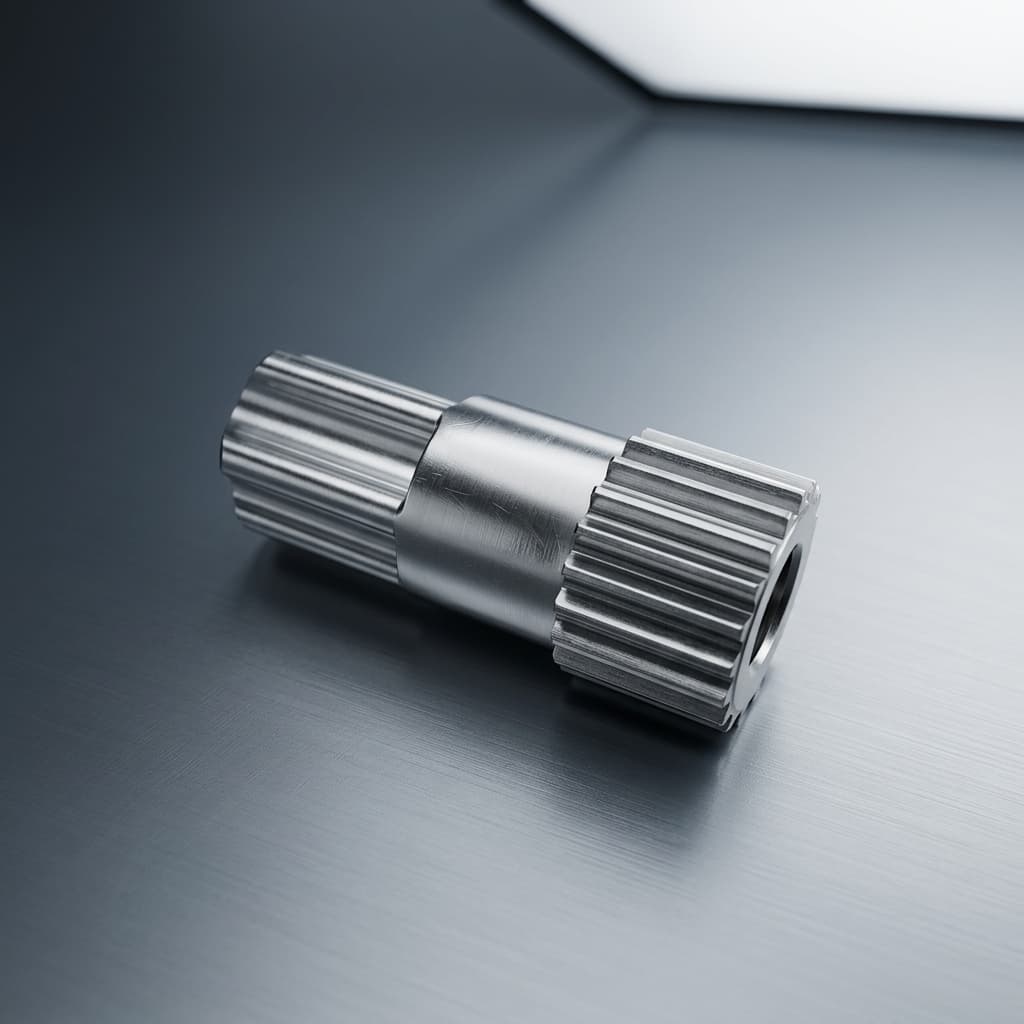
AFPM stator core for EV dyno prototype and vehicle-fit validation

Buyer FAQ

Do you supply complete axial flux EV traction motors?

This page focuses on custom SMC core and AFPM stator component manufacturing support. Rotor, magnets, windings, inverter, housing, gearbox, cooling hardware, dyno validation, and vehicle certification remain buyer-owned unless separately scoped.

What should an EV supercar team send for an axial flux EV motor core RFQ?

Send the motor topology, non-sensitive vehicle envelope, OD, ID, axial height, torque and speed targets, electrical frequency, flux density, cooling method, temperature limit, CAD revision, prototype quantity, dyno milestone, and evidence requirements.

Can you support confidential vehicle programs?

Yes. Share the non-sensitive envelope first, then handle detailed drawings under the buyer-side NDA workflow.

Can an axial flux EV motor core improve supercar power density?

It can support a compact high-torque traction package when the buyer architecture, cooling path, speed range, and mass boundary are defined. Treat kW/kg or Nm/kg as a buyer-baseline comparison, not a standalone core guarantee.

How should high-temperature iron loss be scoped?

Use the buyer speed range, electrical frequency, flux density, waveform, sample temperature, cooling method, material route, density target, and magnetic report format. Generic high-temperature material claims are not enough for traction thermal review.

Can in-wheel or near-wheel EV motor concepts be reviewed?

Yes, at the component manufacturability and evidence level. Include wheel envelope, brake and suspension constraints, road-load assumptions, rotor clearance, coating exposure, corrosion expectation, and validation boundary.

What evidence helps prototype-to-pilot handoff?

Prepare drawing revision, material batch, density and mass records, CMM or 3D scan files, magnetic-loss report condition, coating or Hi-pot notes, sample IDs, deviation list, packaging record, pilot quantity, and buyer approval workflow.

Related Resources

  • SMC material data hub
  • Manufacturing & quality controls
  • Axial Flux Motor Core
  • AFPM SMC Stator
  • 3D Isotropic Flux Core
  • SMC Stator Segments
  • Magnetic Loss Validation
  • Axial Flux Stator Prototyping
  • Technology & Materials
  • Manufacturing & Quality
  • eVTOL Axial Flux Cores
  • Contact / RFQ

Inquiry Email

[email protected]

Email app

Attach STEP/DXF/PDF plus frequency, flux density, sample quantity, annual forecast, and destination.

Instant Chat

+8618857971991

Chat on WhatsApp

Direct response from our engineering team.