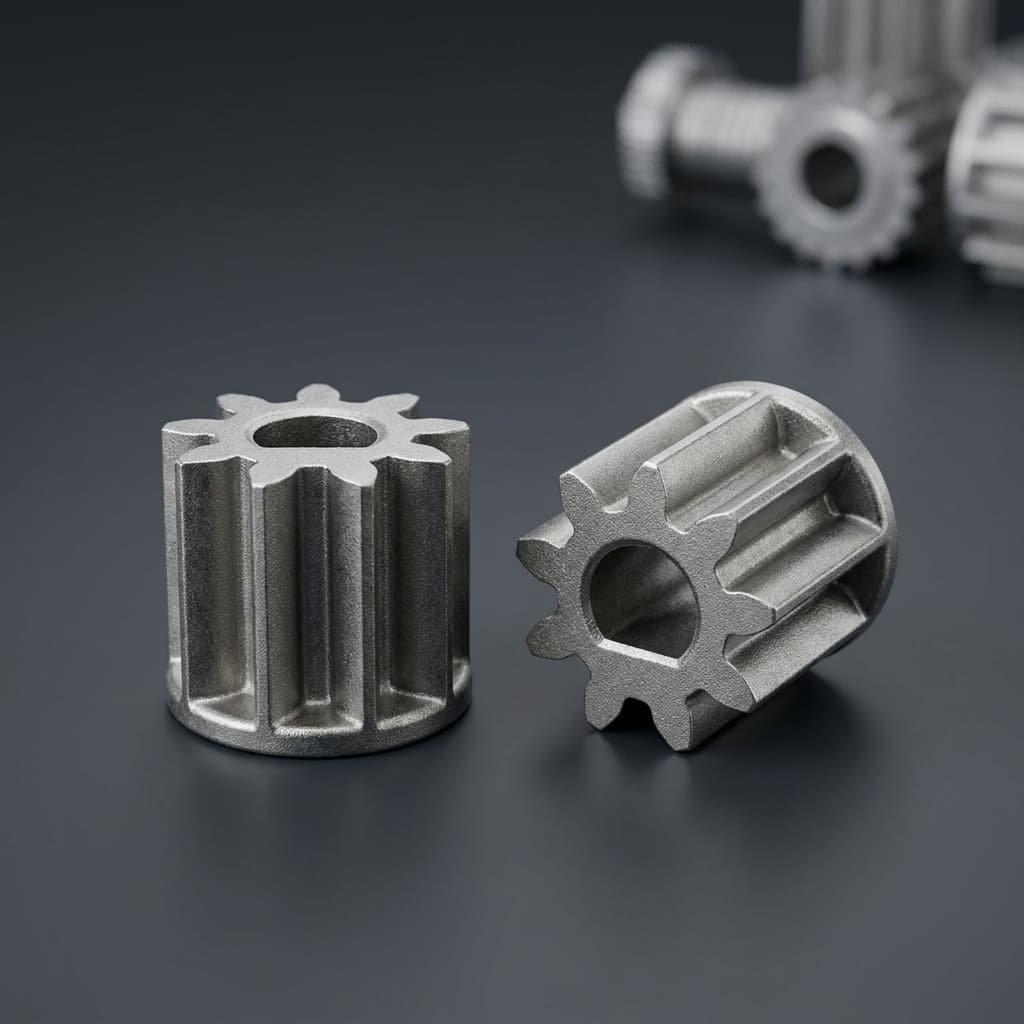
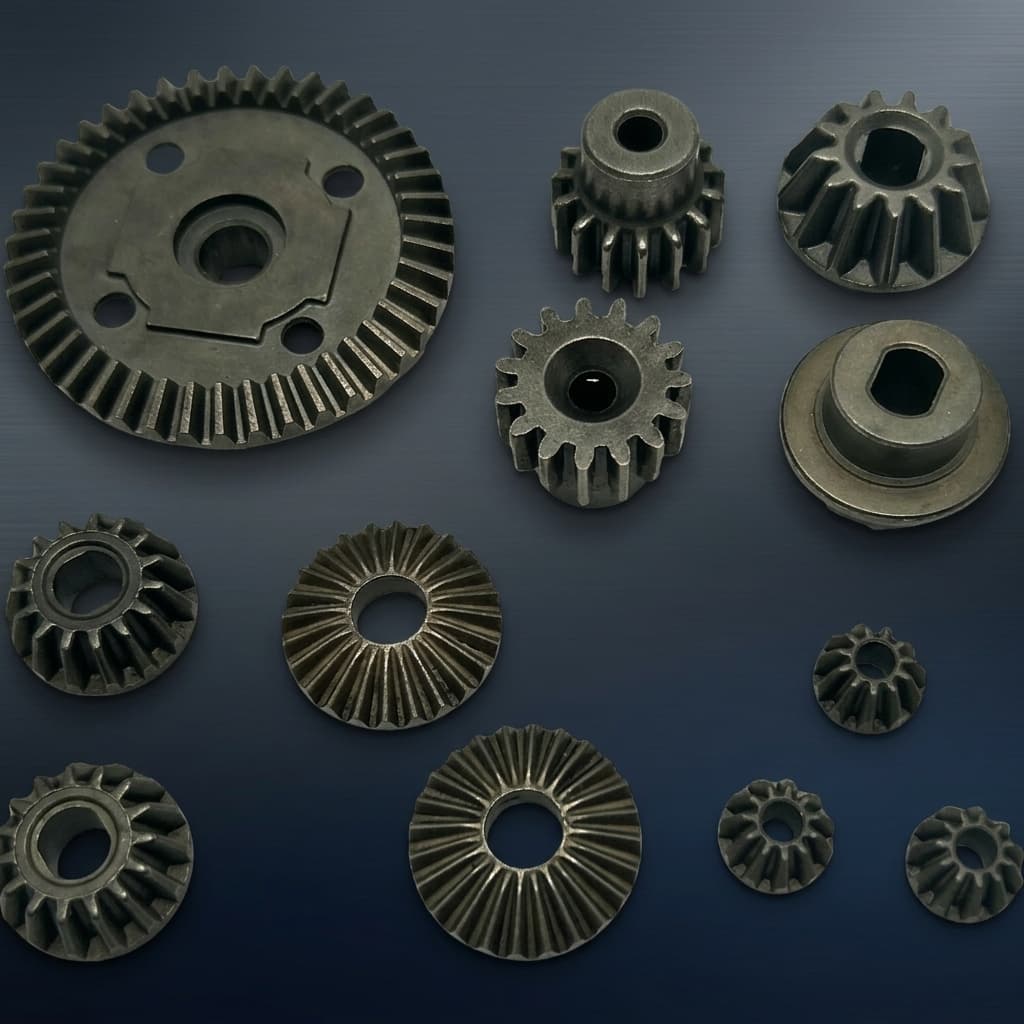
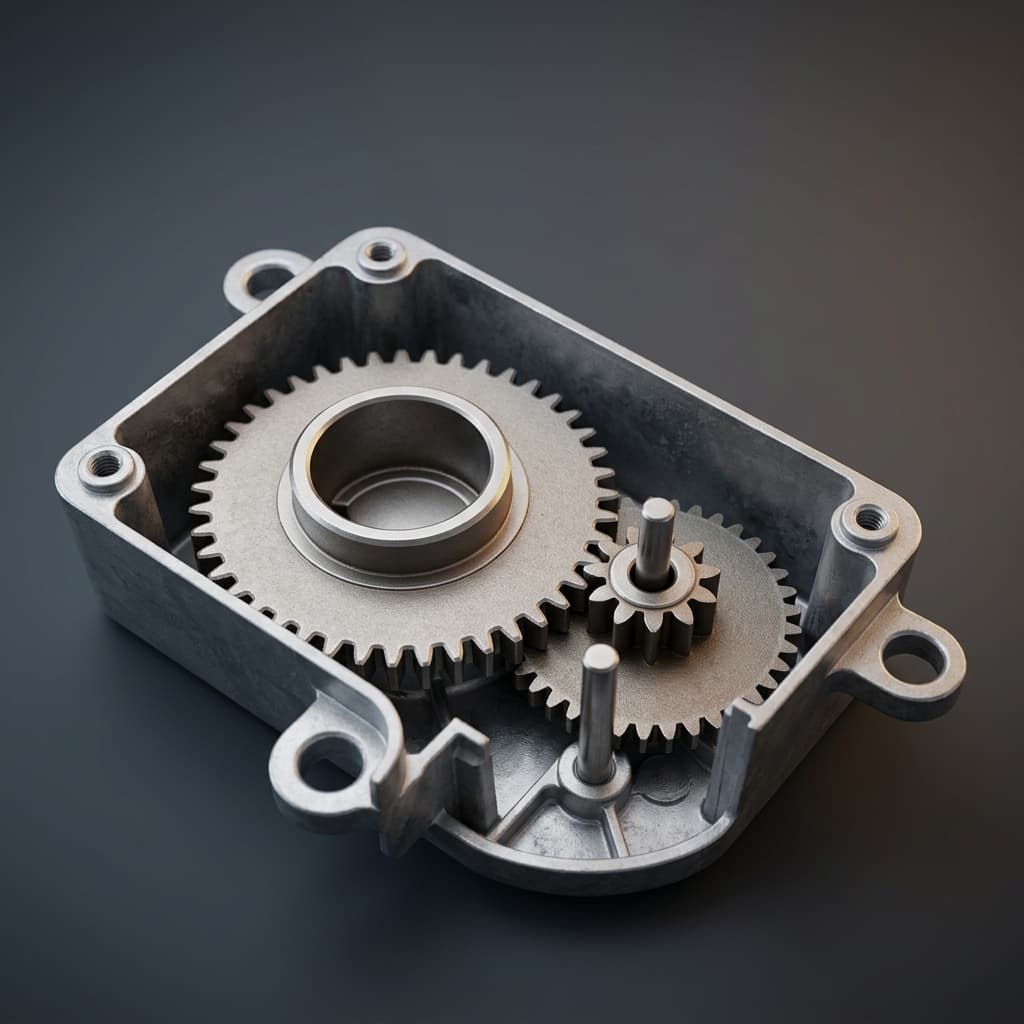
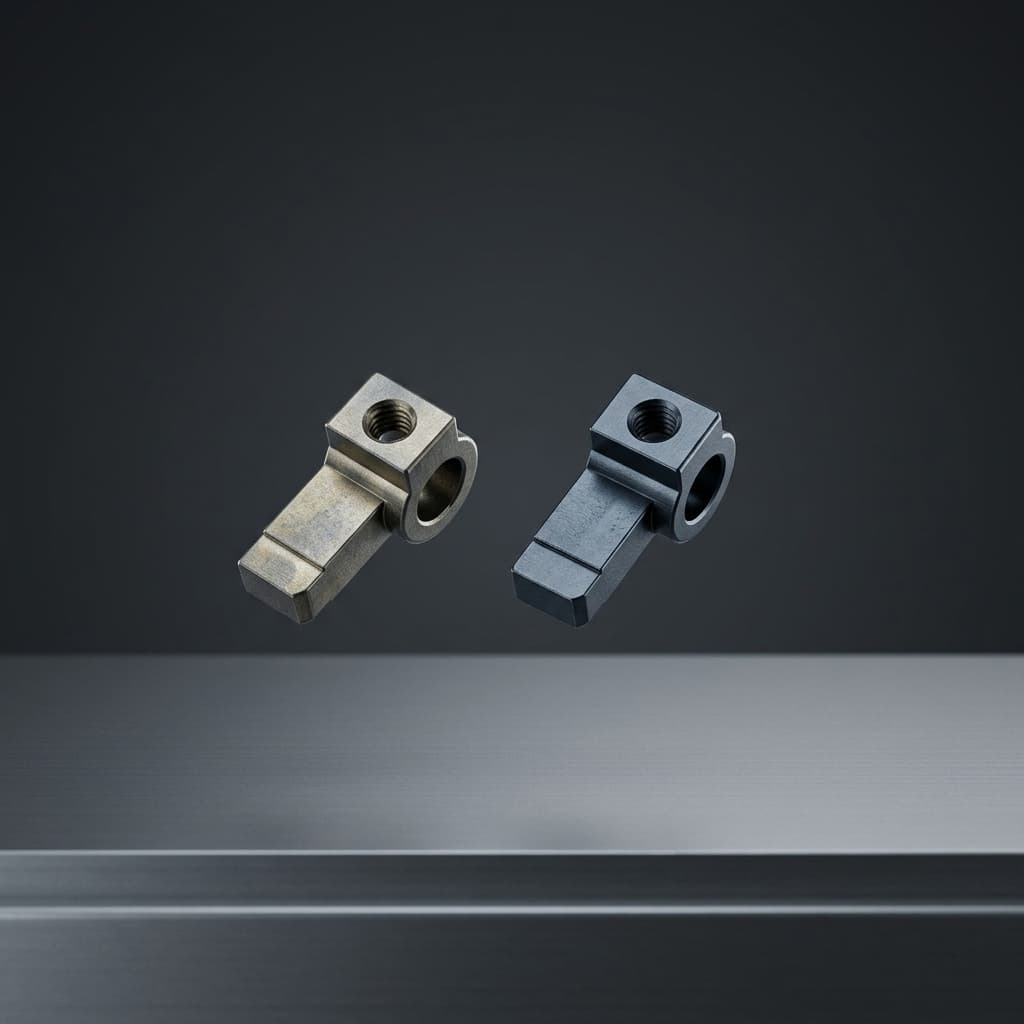
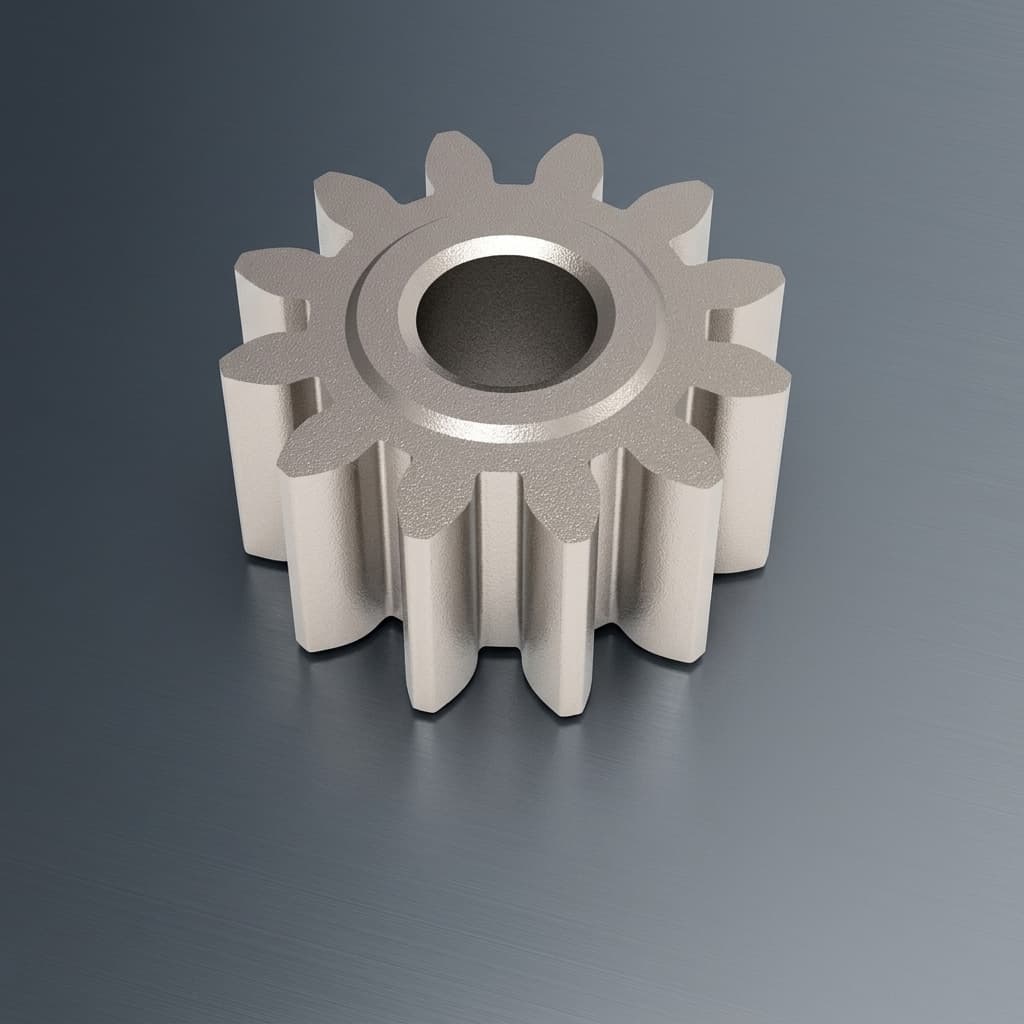
Select application scenarios to review SMC axial flux core architecture fit, manufacturing risk, and OEM support direction.
Each solution page is written for buyer-side decisions: what to validate first, where SMC or AFPM integration risk usually appears, and why the application is worth a custom core sourcing conversation now.
Map your motor topology, rotor-stator stack, and duty cycle.
Define magnetic, thermal, dimensional, and assembly acceptance criteria with measurable limits.
Match core architecture to flux path, frequency, cooling method, and compact packaging envelope.
Freeze prototype validation gates before tooling release.
Application RFQ Prep
Translate application fit into validation gates.
Application buyers need more than a page category. Map the motor topology, duty cycle, package envelope, and first validation gate before requesting SMC axial flux core feasibility.
Distributed electric propulsion is pushing axial flux motors into flight-critical weight, frequency, and thermal envelopes.
Propulsion teams need lighter stacks, lower high-frequency loss, and supplier evidence that can survive aerospace qualification reviews before full motor certification.
The page ties each RFQ to mission duty cycle, kW/kg basis, loss-test conditions, revision control, and traceability before prototype release.
The 2024-2026 humanoid robotics window is pushing joint actuators from lab prototypes toward commercial pilot builds.
Joint teams need thin, high-torque magnetic parts that do not steal space from bearings, dual encoders, harmonic or planetary reducers, cable exits, or thermal paths.
The page screens the full joint envelope before treating the robotics joint stator as an isolated magnetic ring.
High-performance EV, hypercar, and motorsport programs use axial flux motors when torque density and short axial packaging create vehicle-level advantage.
Vehicle teams need custom cores that can support low axial height, repeated acceleration, high temperature, high speed, oil or liquid cooling exposure, and tight retention requirements.
The page connects core geometry to torque target, speed range, thermal limit, cooling route, mass boundary, and vehicle package constraints.
Mass and axial envelope: Can the eVTOL axial flux core reduce propulsion stack mass without creating air-gap, rotor clearance, or assembly risk?
Concept screening: Confirms whether SMC core geometry and material route are plausible before CAD freeze.
Mission and motor duty cycle: Continuous/peak power, reserve point, speed, electrical frequency, flux density, waveform, cooling method, temperature window, and duty-cycle timing.
Supercar traction packaging: Can the core help fit high torque inside a short axial package for a supercar, hypercar, e-axle, or motorsport architecture?
Vehicle package review: Confirms whether the AFPM core route solves a real vehicle packaging constraint.
Torque, speed, and thermal target: Continuous torque, peak torque, launch or boost duration, max speed, electrical frequency, flux density, waveform, coolant or oil exposure, and temperature limit.
SMC eVTOL axial flux cores for distributed electric propulsion teams balancing high kW/kg targets, low high-frequency thermal loss, strict traceability, and aviation-facing RFQ evidence.
For AAM, UAM, eVTOL, UAV, and electric aviation propulsion teams that need custom SMC magnetic core sourcing with supplier-quality evidence rather than catalog motor parts.
Primary constraint: Mass and axial envelope
First validation: Concept screening
Core and stator feasibility review for lift, cruise, tilt-rotor, and distributed electric propulsion motor concepts
SMC route discussion around kW/kg contribution, short axial stack height, air-gap control, and multi-disc AFPM packaging
High-frequency loss, temperature-rise, and mission-cycle evidence planning for hover, climb, cruise, and repeated duty cycles
Humanoid robot joint stators and compact AFPM SMC core parts for shoulder, hip, knee, ankle, wrist, hand, and embedded actuator modules with severe axial packaging limits.
For humanoid robot actuator, joint-module, and robotics hardware teams that need a custom robotics joint stator route instead of adapting bulky radial torque-motor parts.
Primary constraint: Joint envelope
First validation: Envelope confirmation
Flat-disc AFPM stator route for robot joints that need a short axial package instead of a long radial motor and reducer cylinder
SMC stator geometry planning for 15-25 N.m/kg torque-density programs and 300-580 N.m burst-torque joint targets, subject to buyer validation
Joint-volume reduction target up to 50% at the actuator module level when the motor, reducer, bearing, encoder, cable exit, and housing are co-designed
Custom SMC axial flux drone motor cores for UAV propulsion teams balancing low mass, high-frequency efficiency, thermal rise, vibration exposure, and repeatable pilot batches.
For UAV propulsion, drone motor R&D, sourcing, and supplier-quality teams that need a custom axial flux drone motor core or SMC stator supplier rather than a complete off-the-shelf propulsion unit.
Primary constraint: Mass and endurance
First validation: Propulsion concept screen
Custom SMC and AFPM core route for axial flux drone motor designs where every gram affects payload, endurance, and cooling margin
High-frequency loss, flux density, speed, propeller class, hover, climb, and burst-duty conditions framed before sample release
DFM review for thin stator geometry, tooth strength, air-gap flatness, winding clearance, and low axial package height
Axial flux EV motor core and AFPM stator manufacturing support for supercar, hypercar, motorsport, and specialty traction programs needing high torque density, low axial height, thermal-loss evidence, and prototype-to-pilot consistency.
For EV traction engineering, motorsport R&D, vehicle packaging, sourcing, and supplier-quality teams that already have a motor concept and need a manufacturable SMC core or AFPM stator package before dyno, vehicle-fit, or pilot-lot approval.
Primary constraint: Supercar traction packaging
First validation: Vehicle package review
Component RFQ support for axial flux EV motor cores, SMC stators, and AFPM traction package concepts
High torque-density planning tied to vehicle envelope, active-material mass boundary, and buyer baseline definition
Thermal and high-frequency core-loss evidence scoped by speed, flux density, waveform, cooling route, and temperature
Custom SMC axial flux generator cores for compact alternators, APUs, and range extenders needing short axial packages, continuous-duty loss control, and pilot evidence.
For generator, APU, range-extender, and auxiliary-power teams that own the electromagnetic architecture and need a manufacturable SMC core before sample or pilot review.
For AAM, UAM, eVTOL, UAV, and electric aviation propulsion teams that need custom SMC magnetic core sourcing with supplier-quality evidence rather than catalog motor parts.
eVTOL teams use axial flux motors because every gram and millimeter matter, but the mass boundary must be defined before comparing suppliers.
Humanoid Robot Joint Stators
For humanoid robot actuator, joint-module, and robotics hardware teams that need a custom robotics joint stator route instead of adapting bulky radial torque-motor parts.
Joint-volume reduction target: Up to 50% module-level reduction only when motor, reducer, bearing, encoder, cable, cooling, and housing layout support it
Humanoid joints often fail because axial protrusion interferes with the robot motion envelope.
Axial Flux Drone Motor Cores
For UAV propulsion, drone motor R&D, sourcing, and supplier-quality teams that need a custom axial flux drone motor core or SMC stator supplier rather than a complete off-the-shelf propulsion unit.
Core mass and propulsion mass boundary: Buyer baseline and UAV class dependent
UAV projects gain value when magnetic core mass reduction improves payload or endurance without hiding which components are included in the comparison.
Axial Flux EV Motor Cores for Supercars
For EV traction engineering, motorsport R&D, vehicle packaging, sourcing, and supplier-quality teams that already have a motor concept and need a manufacturable SMC core or AFPM stator package before dyno, vehicle-fit, or pilot-lot approval.
Torque-density support: Nm/kg or Nm/L only with buyer-defined core, stator, motor, inverter, cooling, and baseline mass boundary
Axial flux traction projects are usually justified by compact packaging and high torque density, but the comparison is meaningless without a mass and volume boundary.
Axial Flux Generator Cores for Compact APUs
For generator, APU, range-extender, and auxiliary-power teams that own the electromagnetic architecture and need a manufacturable SMC core before sample or pilot review.
Continuous core loss: Frequency and material dependent
Generators run continuous high duty cycles, making thermal saturation the primary constraint.