
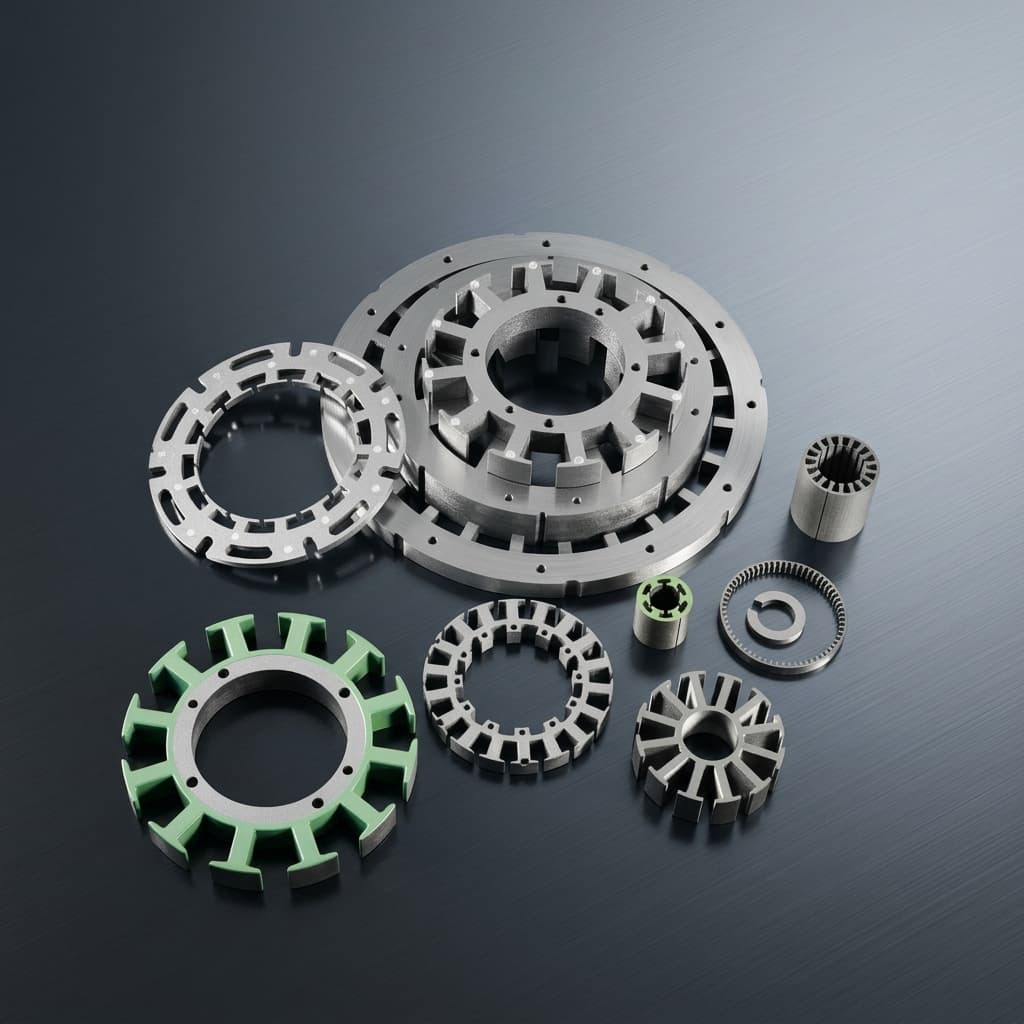
SMC vs. Laminated Steel for Axial Flux Motor Cores: A Procurement & Engineering Guide
An in-depth guide for procurement teams and engineers evaluating Soft Magnetic Composites (SMC) against laminated steel for axial flux motor cores.
Executive Summary
- The Dilemma: Motor engineers designing Axial Flux Permanent Magnet (AFPM) machines must choose between traditional Silicon Steel Lamination and Soft Magnetic Composites (SMC) for the stator core.
- The Limitations of Lamination: Slitting, winding, and machining laminated steel for 3D flux paths leads to short circuits, poor material utilization, and high high-frequency eddy current losses.
- The SMC Advantage: SMC provides isotropic (3D) magnetic properties, enabling complex 3D net-shape geometries and drastically reducing core losses at frequencies above 400 Hz.
- Manufacturability & Waste: Stamping laminated steel for axial stators generates significant scrap. SMC utilizes zero-waste net-shape powder compaction, dramatically reducing unit costs at scale.
The transition towards high-power-density electric motors has accelerated the adoption of Axial Flux Motors (AFMs). Unlike traditional radial flux motors, AFMs demand entirely different approaches to magnetic core manufacturing. For procurement teams, design engineers, and supply chain managers, the choice of stator core material is the most critical decision impacting motor performance, manufacturability, and unit cost.
This engineering benchmark compares the two dominant materials used in axial flux motor cores: traditional Laminated Steel (electrical steel) and Soft Magnetic Composites (SMC). We evaluate their mechanical properties, manufacturing complexities, cost dynamics at scale, and provide a practical framework to help you make the best sourcing decision for your next EV, robotics, or industrial application.
Evaluation scope, July 20, 2026: This guide is written for global OEM procurement, motor design, and supplier-quality teams comparing stator core options for axial flux motor programs. The thresholds below are screening heuristics, not universal material specifications; final selection still requires project-specific B-H curves, iron-loss testing at the target frequency, thermal cycling, vibration testing, and supplier PPAP or equivalent qualification.
For active RFQs, use the checklist below to align engineering and sourcing inputs, then request an Axialfluxcore DFM and cost review with your topology, annual volume, target frequency, and packaging limits.
1. The Core Challenge of Axial Flux Motors
In a conventional radial flux motor, the magnetic flux travels radially. Stamping 2D electrical steel laminations and stacking them is a highly mature, optimized process. However, in an axial flux motor, the magnetic flux travels parallel to the axis of rotation, entering the stator face directly and often requiring a three-dimensional path depending on the specific topology (e.g., Yokeless and Segmented Armature - YASA).
This unique flux path invalidates standard 2D stamping techniques. Using standard flat laminations for an axial flux stator often results in unacceptably high eddy current losses or requires complex, wasteful manufacturing methods like mandrel wrapping. This specific engineering hurdle has paved the way for advanced materials like Soft Magnetic Composites.
2. Understanding Laminated Steel in AFMs
Laminated steel (or silicon steel) has been the bedrock of electric motor manufacturing for over a century. To mitigate eddy currents, the steel is rolled into thin sheets (typically 0.2mm to 0.5mm), coated with an insulating layer, and stacked.
Manufacturing Processes for Lamination in AFMs
Because standard stamping doesn't work well for the 3D topology of AFMs, manufacturers utilize alternative methods:
- Mandrel Wrapping / Coiling: A continuous strip of steel is wound tightly around a central mandrel to form a cylinder, which is then machined (slotted) to create the stator teeth.
- Pre-slotted Coiling: The strip is stamped with slots before being wound. This requires immense precision to ensure the slots align perfectly as the diameter of the coil grows.
Procurement Implications for Laminated Steel
- High Tooling Costs: Precision progressive dies for pre-slotted coiling are extremely expensive and require high volume to justify.
- Material Waste: Machining a solid wound core to create slots results in massive material waste—sometimes upwards of 40-50%, heavily impacting the final component cost.
- Mechanical Weakness: The thin insulation between laminations can be a failure point under extreme thermal and mechanical stress if not bonded correctly.
3. The Rise of Soft Magnetic Composites (SMC)
Soft Magnetic Composites (SMC) represent a fundamental shift from metallurgy to chemistry. SMCs consist of iron powder particles, each individually coated with an electrically insulating organic or inorganic layer. This powder is then compressed into a solid shape using high-pressure presses and thermally cured.
Why SMC is Ideal for Axial Flux Motors
- Isotropic Magnetic Properties: Because each particle is insulated, SMCs offer uniform magnetic properties in all three dimensions. This makes them perfectly suited for the complex 3D flux paths inherent to axial flux designs.
- Net-Shape Manufacturing: The powder metallurgy process allows stators and pole pieces to be pressed into complex, final (or near-final) shapes in a single step.
- High-Frequency Performance: The microscopic insulation reduces eddy current losses at high operational frequencies (e.g., above 400 Hz), which is a common operating range for modern high-speed AFMs.
Procurement Implications for SMC
- Lower Tooling Cost for Complex Shapes: Pressing tools for powder metallurgy are generally less expensive than complex progressive stamping dies, making it easier to prototype and launch lower-volume production runs.
- Zero Material Waste: SMC is a "net-shape" process. You only use the powder you compress, meaning material utilization approaches 99%.
- Raw Material Costs: The coated iron powder itself is more expensive per kilogram than standard silicon steel, but this is often offset by the lack of waste and reduced assembly steps.
4. Head-to-Head Comparison: SMC vs. Laminated Steel
To help procurement managers and engineers make data-driven decisions, below is a detailed comparison matrix across key sourcing and engineering metrics.
| Decision Matrix Dimension | Laminated Steel (Coiled/Stamped) | Soft Magnetic Composites (SMC) | Procurement Impact |
|---|---|---|---|
| Magnetic Permeability | High (especially at lower frequencies). | Moderate (lower than steel due to binder). | Impacts torque density; steel may be preferred for low-speed/high-torque. |
| High-Frequency Losses | High eddy current losses > 400Hz. | Very low eddy current losses. | SMC dominates high-speed motor sourcing requirements. |
| Material Utilization | Poor (Often 50%+ waste if post-machined). | Excellent (Near 100% net-shape). | Offsets the higher raw per-kg cost of SMC powder. |
| Tooling Investment (CAPEX) | Very High (Progressive dies, precision winders). | Moderate to Low (Compaction tooling). | SMC is far more favorable for NPI, prototyping, and mid-volume runs. |
| Design Flexibility | Limited (2D plane restriction). | Extremely High (Complex 3D topologies). | SMC allows engineers to design smaller, lighter motors. |
| Mechanical Strength | Very strong tensile strength. | Brittle; lower tensile strength. | SMC requires careful handling, packaging, and assembly protocols. |
| Supply Chain Maturity | Highly mature, hundreds of global suppliers. | Emerging; limited to specialized powder metallurgy firms. | SMC requires deeper supplier vetting and qualification. |
If you are weighing quoted piece price against tooling amortization, ask for a side-by-side TLC model before approving the material route. Axialfluxcore can review SMC and laminated-core RFQs against your annual volume, duty cycle, and qualification risk.
5. Supplier Selection & Procurement Strategy
When sourcing components for an axial flux motor, the decision isn't just about the material; it is about evaluating the supplier's core competency.
Sourcing Laminated Cores
If your application demands laminated steel (e.g., extreme high torque at low speeds), you must look for suppliers with specific expertise in lamination and winding support, including edge-wound or slotted-coil manufacturing. A standard radial-stamping house will not have the capability to produce a high-quality AFM stator. You must verify their laser welding capabilities and their post-winding machining tolerances, as stress applied during machining can degrade the magnetic properties of the steel.
Sourcing SMC Cores
When vetting an SMC supplier, the focus shifts to powder metallurgy and compaction density. The magnetic performance of an SMC core is directly proportional to its final pressed density. Look for suppliers who:
- Can achieve compaction densities of at least 7.4 g/cm³.
- Have strict atmospheric controls during the curing process to prevent oxidation of the binder.
- Have in-house magnetic testing capabilities (e.g., hysteresis graph testing) for production batches.
- Offer design-for-manufacturing (DFM) support to ensure the stator geometry can be cleanly ejected from the press without cracking.
6. Procurement & Engineering Alignment Checklist
Before finalizing an RFQ or issuing a PO for axial flux motor cores, cross-functional teams should align on the following criteria.
- Define Operating Frequency: Is the motor operating above 400Hz? If yes, strongly evaluate SMC to mitigate eddy current losses.
- Calculate Total Landed Cost (TLC): Have you factored in the scrap rate of laminated steel vs. the 99% utilization of SMC?
- Evaluate CAPEX Amortization: For volumes under 50,000 units/year, have you compared the tooling cost of compaction dies vs. progressive stamping?
- Assess Assembly Complexity: Does the SMC design allow for fewer components (e.g., segmented stators) compared to a continuously wound lamination core?
- Verify Supplier Quality Management (QMS): For SMC, does the supplier have IATF 16949 certification and specific powder metallurgy process controls?
- Review Mechanical Constraints: Are there high vibration or shock requirements that might expose the brittle nature of SMC?
- Confirm Prototype Lead Times: Can the supplier deliver rapid prototypes? (SMC often allows faster tooling turnarounds).
7. Frequently Asked Questions (FAQ)
What is the primary cause of cost difference between SMC and Laminated Steel?
The base material for SMC (insulated iron powder) is more expensive per kilogram than standard electrical steel coils. However, because SMC is a net-shape manufacturing process with almost zero waste, and because it requires cheaper tooling, the final component cost is often lower for SMC in complex geometries and low-to-mid production volumes.
Can SMC replace laminated steel in all motor types?
No. SMC is highly advantageous for motors with 3D magnetic flux paths (like Axial Flux and Transverse Flux motors) and high-frequency operations. For standard 2D radial flux motors operating at standard industrial frequencies (50/60Hz), traditional laminated steel remains more cost-effective and provides better magnetic permeability.
Is SMC mechanically robust enough for automotive EV traction motors?
Yes, but with caveats. SMC is more brittle than solid steel and has lower tensile strength. Motor designers overcome this by using segmented stator designs, encapsulating the SMC cores in potting compounds, and designing the motor housing to absorb structural loads rather than relying on the stator core itself.
How do supply chains differ for the two materials?
Laminated steel relies on massive steel mills and traditional stamping/winding facilities. The supply chain is robust and commoditized. SMC relies on specialized metal powder producers (like Höganäs) and precision powder metallurgy compaction companies. The SMC supply base is smaller but rapidly growing to support EV demand.
8. Procurement Action Plan
The shift toward axial flux topologies represents a paradigm change in motor design, demanding an equally radical shift in material procurement. While laminated steel remains relevant for specific low-frequency, high-torque applications, Soft Magnetic Composites (SMC) are rapidly becoming the material of choice for high-speed, high-power-density AFMs due to their 3D isotropic properties and zero-waste net-shape manufacturability.
For procurement leaders, the goal is to look past the raw material cost per kilogram and evaluate the Total Cost of Ownership, factoring in tooling CAPEX, scrap rates, and system-level motor efficiency gains.
Ready to optimize your Axial Flux Motor supply chain?
At Axialfluxcore, our engineering and procurement teams specialize in guiding OEMs through the complex material selection process. Whether you need rapid prototyping of SMC stators or high-volume supply chain stabilization for laminated cores, we provide the technical expertise and manufacturing footprint to scale your production.
Contact our engineering team today to request a DFM review of your stator design or to receive a comparative cost analysis for your specific motor topology.
Sources & References
- JMAG International and Höganäs: Soft Magnetic Composites in Motor Design
- Sumitomo Electric: Soft Magnetic Composite Product Overview
- MDPI Energies: Review of Axial Flux Permanent Magnet Machine Technology
- MDPI Metals: Soft Magnetic Composites for Electric Motor Applications
- Internal Axialfluxcore RFQ screening notes and supplier-quality checklist, 2026; used for procurement workflow framing, not as a substitute for project-specific magnetic testing.
Article-to-RFQ Workflow
Turn this guide into an evidence-ready RFQ.
Use the article context as the starting point, then align CAD status, magnetic targets, validation scope, and release records before asking suppliers to quote.
Capture the decision
Identify the topology, product family, operating point, and current gate before the article takeaway becomes a supplier question.
Attach buyer inputs
Prepare drawing status, magnetic targets, quantity plan, destination, and open risks in the RFQ worksheet.
Request evidence
Ask for DFM notes, first article inspection, magnetic validation, traceability, and packaging release files before price comparison.
Author

Categories
More Posts
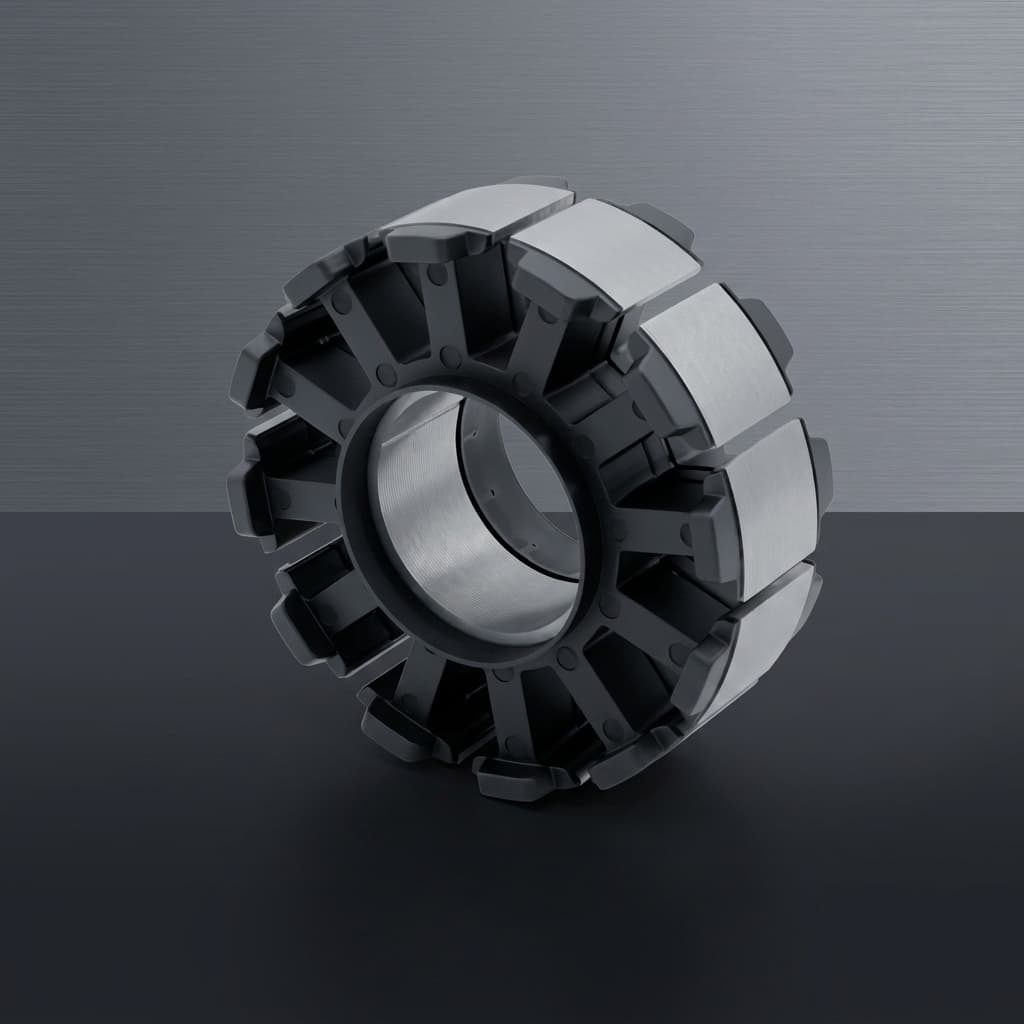
SMC Stator Prototyping: A DFM Guide for Axial Flux Motor Engineers
A precise Design for Manufacturability (DFM) guide for motor design teams transitioning axial flux stator prototypes into Soft Magnetic Composite (SMC) mass production.
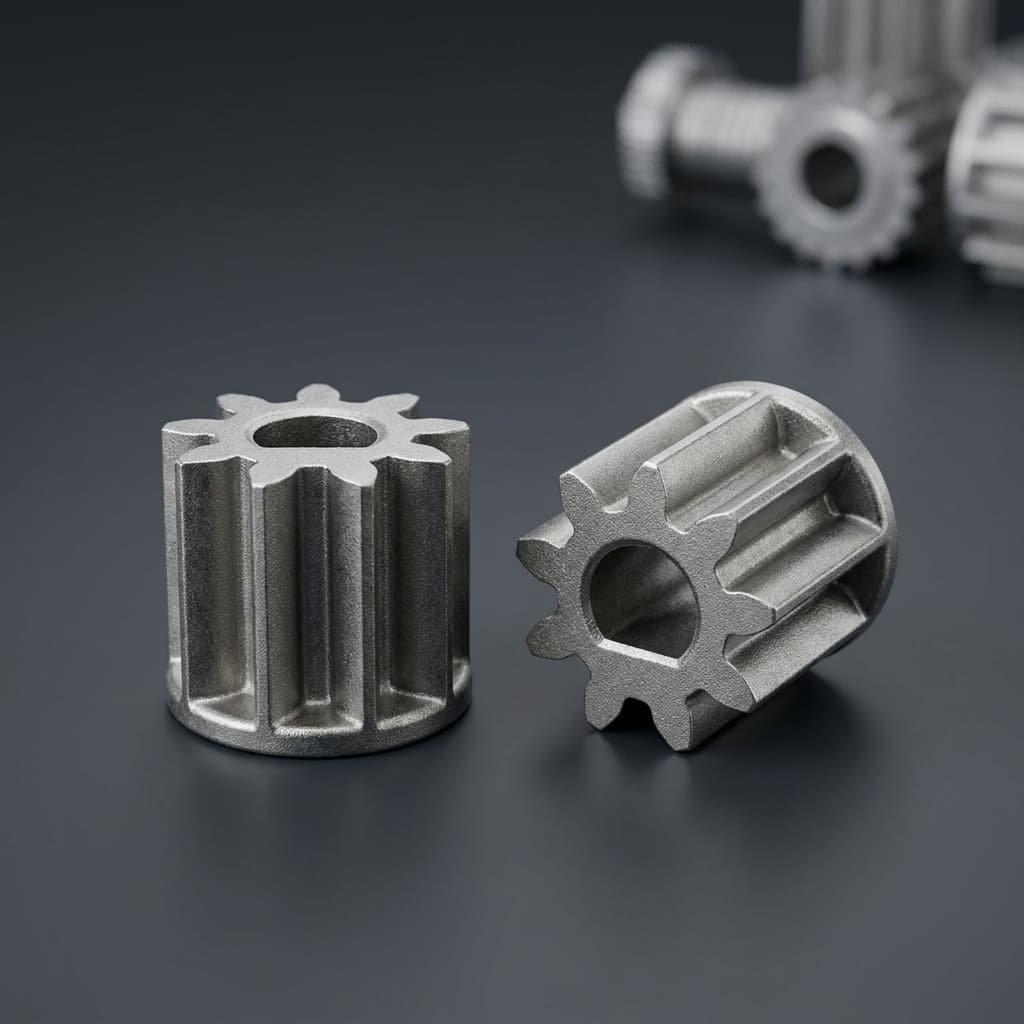
Axial Flux Motor Applications: Why eVTOL, Robotics, and EVs Are Shifting to AFPM
Discover why electric aviation, humanoid robotics, and performance EVs are rapidly adopting Axial Flux Permanent Magnet (AFPM) motors and how SMC stators enable these high-torque designs.
Thermal Management in Axial Flux Motors: Direct Oil Cooling and Stator Core Design
Engineering guide to axial flux motor thermal management, direct oil cooling, SMC stator design, validation risks, supplier evidence, and RFQ checks for buyers.